Category: blog

benefits of surah al qadr

Powerful benefits of surah Al Qadr

Powerful benefits of surah Al Qadr

Think you know all about Surah Al Qadr? Think again!

The benefits of Surah Al Qadr go far beyond what most Muslims realize. From multiplying your good deeds, earning forgiveness, to connecting deeply with Allah — this Surah is a spiritual treasure that can transform your nights and your Ramadan.

Whether you’re in the UK, USA, Canada, Norway, Australia, or the UAE, this guide reveals exactly how to unlock these powerful blessings, even if you’re busy with work, school, or family life.

✅ Don’t just read — act!

🎁 Book your FREE trial with Noor Institute today and get step-by-step guidance on Quran recitation, understanding Surah Al Qadr, and implementing its blessings in your daily life.

👉 Start your FREE trial now
The Quran is a timeless source of wisdom, with every verse providing deep insights and helpful advice. One of its special chapters is Surah Al-Qadr, a chapter that holds unparalleled significance and blessings.To truly experience the transformative power and the numerous  benefits of surah al-qadr, it’s vital to deeply comprehend their messages. By taking the time to learn about the Quran, we can discover how it helps us, makes us feel better, and improves our lives.

Introduction to surah Al-Qadr

Surah Al-Qadr is the 97th chapter of the Holy Quran, comprising five verses with deep importance. This surah speaks about the revelation of the Quran during Laylat al-Qadr, or the Night of Decree, occurring in the last ten nights of Ramadan. This particular night is considered the most sacred and holiest of nights in the Islamic calendar and holds a great reward spiritually. The Surah reminds the believers of the blessings of Laylat al-Qadr and encourages them to seek forgiveness, engage in worship, and reflect upon Allah’s mercy and grace.

The historical context of surah Al-Qadr

The historical context of Surah Al-Qadr is deeply tied to the revelation of the Quran during the sacred month of Ramadan. This month witnessed, for the first time, the revelation of the Quran to the Prophet Muhammad, peace be upon him, considered one of the most crucial events in the history of Islam. Surah Al-Qadr focuses on the night of Laylat al-Qadr, where, in the month of Ramadan, the Quran was sent down from the Preserved Tablet to the lowest heaven. That is before it was sent down piece by piece to the Prophet Muhammad over the period of the next 23 years. This Surah emphasizes the special nature of this night, the blessings associated with it, and the mercy that was showered upon humanity because of the Quran.

Reasons of revelation 

Surah Al-Qadr was revealed during the time when the Prophet Muhammad (peace be upon him) was in Mecca, before he moved to Medina. While we don’t know the exact date, it is known as a Meccan surah. There are different stories about when and why it was revealed. One story says that Aisha (may Allah be pleased with her) told us the Prophet (peace be upon him) explained that Laylat al-Qadr happens in the last ten nights of Ramadan. Soon after, Surah Al-Qadr was revealed to show how important that night is. Another story says that Abdullah ibn Abbas (may Allah be pleased with him) believed the surah was revealed to give hope to the Muslims in Mecca who were being treated badly, reminding them of the rewards from Allah. There is also a story from Jabir ibn Abdullah (may Allah be pleased with him) that connects the surah’s revelation to the Farewell Hajj, showing how the Muslim community would succeed in the future.

Despite differing details, all narrations underscore the immense virtue of Laylat al-Qadr and its call for increased worship during this blessed night.

The Endless benefits of Surah Al-Qadr

The benefits of surah al qadr include:

  • Spiritual Elevation: Reciting Surah Al-Qadr brings believers closer to Allah, enhancing their spirituality and deepening their connection with the divine.
  • Forgiving Sins: People believe that reading this Surah, especially on Laylat al-Qadr, can help erase past mistakes, giving a chance to say sorry and receive Allah’s kindness.
  • Guidance and Wisdom: The verses of Surah Al-Qadr offer profound wisdom and guidance, helping believers understand the divine decree and providing clarity in life.
  • Protection from Evil: The Surah acts as a shield, protecting believers from harm and evil, and instilling a sense of peace and security in their hearts.
  • Healing Properties: It is believed to have both physical and spiritual healing effects, bringing comfort and tranquility to those who recite it.
  • Strengthening of Faith: Regular recitation reinforces faith and trust in Allah, serving as a reminder of His power and mercy, and fostering perseverance through challenges.
  • Community Unity: The recitation fosters unity among Muslims, particularly during Ramadan, strengthening the bonds of brotherhood and sisterhood as they seek blessings together.
  • Manifestation of Mercy: Surah Al-Qadr highlights Allah’s infinite mercy, motivating believers to earnestly seek His favor and blessings in this life and the hereafter.

Highlights of Surah Al-Qadr

  • Revelation: Surah Al-Qadr was revealed during the final stages of the Quranic revelation to Prophet Muhammad (peace be upon him), specifically in the month of Ramadan.
  • Focus on Laylat al-Qadr: The surah highlights the significance of Laylat al-Qadr, the Night of Decree, which occurs during the last ten nights of Ramadan, especially on the odd-numbered nights.
  • Miraculous Nature: It describes Laylat al-Qadr as “better than a thousand months” (Quran 97:3), emphasizing the extraordinary spiritual value of worship during this night.
  • Special Characteristics: The surah mentions the peace and tranquility that fills the night, which lasts until dawn. It also speaks of the descent of angels and the fulfillment of divine decrees.
  • Encouragement for Worship: Surah Al-Qadr encourages believers to seek out this night and engage in acts of worship, such as prayer, supplication, and Quranic recitation, to benefit from its immense blessings.
  • Spiritual Reward: The surah promises great spiritual rewards, including forgiveness of sins and elevation in spiritual status, for those who worship sincerely during Laylat al-Qadr.
  • Reminder of Divine Mercy: It serves as a powerful reminder of Allah’s mercy, providing an opportunity for believers to seek His forgiveness, guidance, and blessings during this sacred night.

Surah Al-Qadr explanation 

  1.  The first verse tells us that the Quran was sent down on Laylat al-Qadr, a very special night that is better than a thousand months.

  2. 2nd Ayah emphasizes the unmatched greatness of Laylat al-Qadr, a night whose full value is known only to Allah.

  3. The third verse talks about the big rewards we can get on Laylat al-Qadr, where our prayers and good deeds are worth more than doing them for a thousand months.
  4. The fourth verse explains that on Laylat al-Qadr, angels, including Gabriel, come down to do Allah’s work, bringing blessings and answering our prayers.
  5. The fifth verse tells us that Laylat al-Qadr is a night of peace, where we are safe from harm and bad things, and filled with Allah’s kindness and protection until the morning comes.

The significance of the night of decree

Laylat al-Qadr, or the Night of Decree, holds a very special place in Islam. This was the night when the Quran was first revealed to Prophet Muhammad (peace be upon him), and thus, it is a night of unparalleled significance. The Quran  described it as “better than a thousand months”, emphasizing its value. This night is replete with forgiveness, mercy, and blessings from God; it is an opportune time for Muslims to worship, supplicate, and reflect. Surah Al-Qadr itself emphasizes that it is a night of power in which the Quran was brought to guide all humanity.

Deepen Your Understanding of Islam with Noor Institute’s Courses

At Noor Institute, we offer a special chance to learn more about Islam through our well-planned courses. Our programs are designed for individuals at all levels, whether you’re new to learning about Islam or want to improve what you already know. With skilled teachers and helpful materials, Noor Institute provides a full learning experience that covers important parts of Islamic teachings, the Quran, and the life of Prophet Muhammad (peace be upon him). By joining our Quran online classes, you’ll feel closer to your faith, learn useful spiritual practices, and understand the main values of Islam that help you in your daily life.

Conclusion

The benefits of Surah Al-Qadr, along with all verses of the Quran, are limitless. To truly connect with their wisdom and blessings, it is essential to understand them deeply. Noor Institute, through its comprehensive courses, helps you gain a profound understanding of the Quran, enabling you to strengthen your connection with its divine message.

Start your journey today. Sign up for a free trial at Noor Institute!

Frequently Asked Questions 

  • When to read Surah Al-Qadr?

You can read Surah Al-Qadr whenever you want, as there are no specific times you have to read it. But, it is very important during Ramadan. Muslim teachers suggest reading Surah Al-Qadr seven times on Laylat al-Qadr, asking Allah for forgiveness and asking for His kindness. It’s always a good idea to read this surah to get its spiritual benefits.

  • What are the benefits of reciting Surah Qadr daily?

Benefits of surah Al-Qadr are enormous; spiritual benefits come with its daily reading, such as increased blessings, forgiveness of sins, and elevation of one’s spiritual rank. It helps to strengthen faith, attract divine mercy, and bring peace of mind. Besides, its regular recitation, especially during Ramadan, multiplies rewards, as its recitation is considered better than a thousand months.

  • What is the duaa to be recited in laylat al qadr?

The special prayer for Laylat al-Qadr comes from a saying of Prophet Muhammad (peace be upon him). He used to say: “Allah, You are the Most Forgiving, and You love forgiveness, so please forgive me.”

This prayer is strongly recommended for Laylat al-Qadr. It helps us ask Allah for forgiveness, mercy, and pardon on this special night.

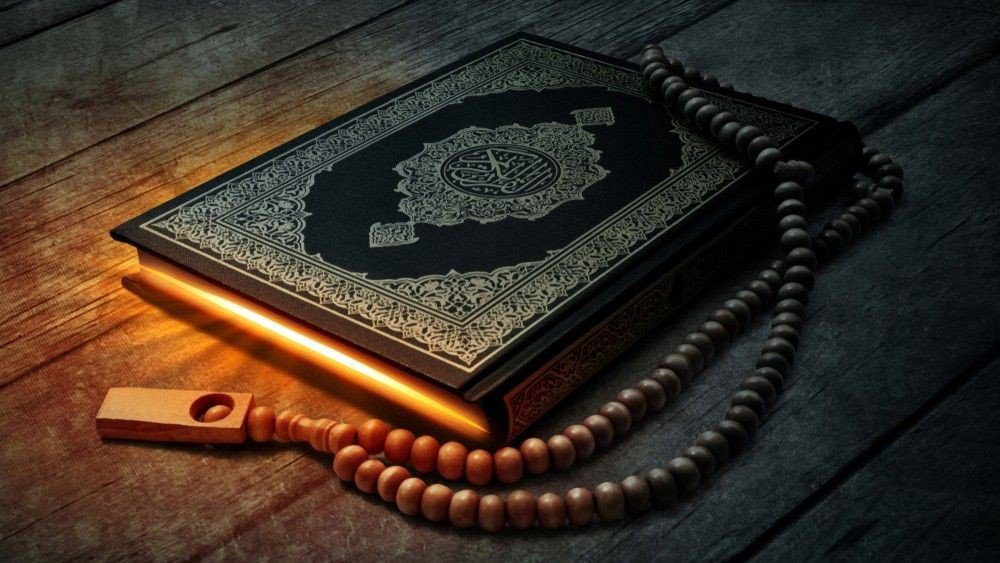
An open Quran with a prayer beads on top

Benefits Of Surah Al-Waqiah : How UK & US Muslims Can Unlock Its Blessings

Benefits Of Surah Al-Waqiah : How UK & US Muslims Can Unlock Its Blessings

With promises of riches and spiritual development, Surah Al-Waqiah calls to us like a beacon of hope amidst the greatness of the Quran. Respected as the “Surah of Wealth,” its words are the secret to prosperity and money. However, the benefit of surah waqiah blessings goes well beyond monetary gain; surah waqiah nurtures our spirits and provides us with spiritual insight that enriches our lives.

We’ll learn about this Surah’s many advantages as we study it, from material prosperity to inner serenity and a closer relationship with Allah. Get ready to discover the hidden gems in Surah Al-Waqiah benefits and experience its life-changing power with the Noor Institute.

Benefits of Surah Waqiah – Wealth, Rizq, Spiritual Blessings & Protection from Poverty

Every surah in the great ocean of the Quran contains precious gems that are just waiting to be found. Although reciting the entire Holy Quran has many advantages, Surah Waqiah is particularly advantageous as it provides particular blessings and remedies to common problems. When we reflect on Surah Waqiah benefits, we realize how deeply they impact our spiritual and daily life. Together, we will explain this unique surah as we explore its meaning, lessons, and benefits.

Surah Waqiah Hadith – Protection from Poverty

The biggest and most important benefit of surah waqiah is said by the Prophet Muhammad (PBUH) that whoever recites Surah Al-Waqiah every night will never experience poverty. This hadith emphasizes the Surah’s ability to shield readers from unforeseen financial difficulties.

Rewards of Reciting Surah Waqiah – Promises of Jannah (Paradise)

Reciting Surah Waqiah brings the promise of shade beneath a magnificent tree in Paradise. “Truly, there is a tree in Paradise under whose shade a rider could travel for a hundred years,” remarked Prophet Muhammad (PBUH). If you would like, read the verse aloud: “And shade extended.” (56:30). This metaphorical image signifies the immense protection and blessings bestowed upon those who dedicate themselves to the Quran.

Spiritual Benefits of Surah Waqiah – Guidance, Faith & Steadfastness

Surah Waqiah strengthens a believer’s resolve and keeps them firmly rooted in their faith.

By seeking Allah’s forgiveness and mercy, one is guided towards righteousness and shielded from temptations.

Surah Waqiah Meaning – Lessons about Jannah and Jahannam

Surah Waqiah vividly depicts the rewards and punishments of the afterlife. It describes the blissful gardens of Paradise and the scorching fires of Hell. This knowledge serves as a powerful reminder of our ultimate purpose and motivates us to strive for good deeds and avoid sin.

Surah Waqiah Tafsir – Understanding Allah’s Power and Mercy

Surah Waqiah contains verses that describe Allah’s (SWT) power, majesty, and mercy. Reciting this Surah can help us develop a deeper understanding and appreciation of our Creator.

Surah Waqiah contains verses that describe Allah’s (SWT) power, majesty, and mercy. Reciting this Surah can help us develop a deeper understanding and appreciation of our Creator. 
The Surah underscores Allah’s immense power and sovereignty.

Verses such as “Then who is the most strong in the dominion?” (56:65) and “And He is the Forgiver, the Most Merciful.” (56:64) instills awe and reverence for the Creator. Recognizing Allah’s greatness fosters humility and gratitude, leading to a deeper connection with Allah (SWT).

Best Time to Recite Surah Waqiah (Before Sleeping or After Isha)

You can simply incorporate Surah Waqiah, a lovely and enlightening chapter of the Quran, into your daily life. It takes less than five minutes to recite, so everyone can do it. Reciting this Surah every night is advocated for the Ummah, as instructed by Prophet Muhammad (PBUH). You can receive the benefit of surah waqiah blessings and spiritual sustenance, whether you say it after Isha before going to bed or between the Maghrib and Isha prayers.

Surah Waqiah Lessons and Moral Teachings

Surah Al-Waqiah, also known as “The Event,” is a powerful and transformative chapter of the Quran. Filled with vivid descriptions of the Day of Judgment and the Hereafter, it offers valuable lessons for those who seek guidance and understanding. Here are some key lessons we can learn from Surah Al-Waqiah:

The Certainty of the Day of Judgment

Surah Al-Waqiah begins with a powerful oath, emphasizing the certainty of the Day of Judgment:

“إِذَا وَقَعَت الْوَاقِعَةُ When the event inevitably occurs” (Quran 56:1)

This serves as a stark reminder that our lives on Earth are temporary and that we will all be held accountable for our deeds. By contemplating the inevitable reality of the Day of Judgment, we are encouraged to live a life of righteousness and piety.

The reality of Jannah and Jahannam

The main benefit of Surah Waqiah The Surah paints a vivid picture of both Jannah (Paradise) and Jahannam (Hellfire). It describes the delights of Jannah, with its lush gardens, flowing rivers, and beautiful companions:

In contrast, it also warns of the horrors of Jahannam, with its scorching flames and agonizing punishments:

By understanding these realities, we can strive to earn Allah’s pleasure and avoid His wrath.

The Division of Humanity on the Day of Judgment

The Surah speaks about the division of humanity on the Day of Judgment, describing the rewards of the righteous and the consequences for those who disbelieved. This serves as a warning and a reminder to strive for righteousness and avoid sin.

Allah (SWT) has demonstrated the resurrection of people from death, just as He created them.

Allah (SWT) has provided clear evidence of the certainty of the day of judgment, giving brief examples of how He (SWT) brought life into existence from nothingness. Muslims should observe their surroundings, contemplate the power of Allah (SWT) in His creation, and ponder over His verses. In the Quran, Allah (SWT) states, ‘Do they not look into the realm of the heavens and the earth and everything that Allah has created and think that perhaps their appointed time has come near?’ (Quran 7:185)

Importance of Good Deeds

The benefits of surah waqiah is the importance of good deeds and their impact on our lives. It reminds us that our actions will be weighed on the Day of Judgment and that we will be rewarded for our good deeds and punished for our bad deeds.

Patience and Perseverance

Surah al-Waqiah reminds us that life is full of trials and tribulations. It encourages us to be patient and persevere through difficulties, knowing that Allah (SWT) is with us.

Learn Surah Waqiah Online – Deepen Your Connection with the Quran

Noor Institute, a leading online Islamic studies platform, invites you to embark on a transformative journey with Surah Waqiah. Our comprehensive learning program provides an in-depth exploration of this powerful benefit of surah waqiah, unlocking its profound meanings and enriching your spiritual understanding.

Interactive Learning

Immerse yourself in interactive lessons and engaging discussions led by experienced Islamic scholars.

Detailed Tafsir

Gain a deeper understanding of the Surah’s verses with our clear and concise tafsir, exploring historical context, linguistic nuances, and practical applications.

Tajweed Mastery

Enhance your recitation with expert guidance on proper pronunciation and tajweed rules, allowing you to recite the Surah beautifully and accurately.

Spiritual Growth

Discover the Surah’s profound impact on your spiritual life through self-reflection exercises and practical tips for incorporating its wisdom into your daily practice.

Accessibility and Convenience

Learn at your own pace and from the comfort of your own home with our flexible online platform, accessible from any device.In conclusion, by incorporating Surah Waqiah into your daily routine, you open yourself to the benefit of Surah Waqiah both in this world and the hereafter. Its recitation fosters inner peace, strengthens faith, and guides you on the path toward eternal bliss. Remember, the Quran is a source of endless blessings, and Surah Waqiah is a treasure waiting to be discovered. Make it a regular part of your daily routine to witness the transformative power of this beautiful Surah, and start with us now.

FAQs About Surah Waqiah – Common Questions Answered

– Why is it important to read Surah Waqiah?

Surah Waqiah offers protection from poverty, reminds us of the afterlife, and deepens faith, making it valuable for both this life and the next.

– What are the benefits of reciting Surah Quraish 7 times?

Surah Quraish, the 106th chapter of the Quran, holds great significance, and reciting it seven times is believed to bring many blessings to believers. This surah highlights Allah’s favors upon the Quraish tribe, serving as a reminder of the value of gratitude and trusting in Him. Just as the benefits of reciting Surah Waqiah are well-known for spiritual and worldly relief, Surah Quraish also offers deep lessons in faith and reliance on Allah.

Discover More Quranic Insights

If you found inspiration in the message of Surah Al-Waqiah, you might also enjoy exploring other Surahs that offer profound spiritual and practical lessons.

Dive deeper into the Qur’an’s wisdom with these insightful articles:

What to do on laylatul qadr

Laylatul Qadr Guide: 9 Powerful Ways for Muslims in UK to Allah

Laylatul Qadr Guide: 9 Powerful Ways for Muslims UK to connect with Allah


Most Muslims in the UK wait all year for Laylatul Qadr… then waste it without a clear plan.

This Laylatul Qadr guide is not just “Ramadan motivation” — it’s a practical, powerful step-by-step roadmap to help you connect with Allah deeply, even if you’re busy with work, family, school runs, or living in a fast-paced UK routine.

Inside, you’ll discover 9 high-impact acts that can transform your night into a turning point — from the right du’as to make, to the best way to pray, reflect, and leave Laylatul Qadr feeling forgiven, lighter, and spiritually reborn.

✅ And if you want a guided Ramadan experience (for you or your children) with expert teachers:
👉 Book your FREE trial with Noor Institute now

As soon as the last ten nights of Ramadan arrive, the pursuit of Laylatul Qadr begins; the night that has the potential to transform your destiny. It is a night unlike any other, one that carries the weight of a thousand months of worship. Since no one knows exactly when it falls, every single one of these nights could be the one, and the question on every believer’s mind is: What to do on Laylatul Qadr to ensure you don’t miss its blessings?

In this blog, we’ll explore 9 powerful acts of worship as answers to your question “what can I do on laylatul qadr?”

1- Remember that the night starts at Maghrib

Laylatul Qadr isn’t just about the late hours of the night; it begins as soon as the sun sets (Maghrib time). Many people make the mistake of waiting after Ishaa prayer to start their worship, forgetting that the blessings of this powerful night start at Maghrib.

Keeping this in mind helps you stay conscious of your actions from the very beginning. Use this time wisely; avoid gossip, idle talk, or anything that could diminish the rewards of this sacred night. Instead, set the tone from Maghrib by engaging in dhikr, reciting the Qur’an, and making heartfelt du’as. The entire night is an opportunity for mercy and forgiveness, so don’t fall into this mistake and never let even a moment slip away!

2- What to do on laylatul qadr? Read more Quran

Ramadan is known as the month of the Quran, and Laylatul Qadr holds an even greater connection to it as it is the very night on which the Quran was revealed. This makes reciting and reflecting on the Quran one of the most powerful acts of worship you can do. But don’t rush with pages. Alternatively, spend more time to comprehend the wisdom behind each verse, the message allah subhanah w taa’la wants to deliver. 

If possible, read with tafsir (explanation) or listen to recitations that inspire you. This is a night of guidance, mercy, and transformation, so let the Quran touch your heart. You can also join Noor Institute Quran online classes to strengthen your connection with Allah. 

3- Repeat the most powerful dua of prophet muhammad

On this blessed night, don’t miss out on one of the most powerful du’as ever taught by the Prophet Muhammad ﷺ. When Aisha (رضي الله عنها) asked him what supplication she should make on Laylatul Qadr, he didn’t give her a long or complex du’a; he gave her something simple yet deeply profound:

اللهم انك عفو كريم تحب العفو فاعف عني
“O Allah, You are the Most Forgiving, You love to pardon, so pardon me.”

This du’a carries a world of meaning. The Prophet ﷺ emphasized that the most beloved supplications to Allah are the ones that are the most comprehensive. And this du’a is exactly that, it seeks not just forgiveness but complete pardon from our sins, erasing them as if they never existed.

4- Spend in charity: give sadaqah 

The Prophet ﷺ said that nothing extends a person’s life except for Sadaqah. It can even change your decree and bring unexpected blessings into your life.

Allah ﷻ reminds us in the Quran:

“لَن تَنَالُوا الْبِرَّ حَتَّىٰ تُنفِقُوا مِمَّا تُحِبُّونَ”
“You will never achieve righteousness until you spend from that which you love.”  This verse highlights the transformative power of giving, especially from what you hold dear. 

Think about those moments when you gave Sadaqah and saw an immediate reward; a problem unexpectedly resolved, a hardship lifted, or a door of goodness opened. 

We also have the following hadith emphasizing the role of sadaqah

“دَاوُوا مَرضاكُم بِالصَّدَقاتِ”
“Treat your sick ones with charity.”

Sadaqah heals, protects, and brings barakah into your life. On Laylatul Qadr, when rewards are multiplied beyond measure, let your generosity flow!

5- Escape from T.V and social media

Ramadan comes just once a year, yet many people spend hours watching Ramadan TV shows and scrolling through social media. But in these final ten precious nights, especially Laylatul Qadr, it’s time to step away from distractions.

Imagine this: one night, better than a thousand months; 83 years of worship in a single night! Can you really afford to trade such immense rewards for a few episodes of a series or endless scrolling? Instead, turn your heart to Allah. Dedicate your time and soul to Ibadah, du’a, and reflection. The world of entertainment will always be there, but this opportunity is once a year and you may not get another.

6- Pray Qiyam

One of the most powerful and rewarding acts of worship on Laylatul Qadr is praying Qiyam (night prayer). The Prophet ﷺ said:

“Whoever prays Qiyam with the Imam until he finishes, Allah will record for him the reward of praying the entire night.” This means that even if you don’t stay awake all night, simply praying with the Imam from the start of their Qiyam until the end could earn you the reward of worshiping the entire night.

7- Pray Ishaa in Jama’ah

One of the easiest yet most rewarding acts on Laylatul Qadr is to pray Isha in congregation. The Prophet Muhammad said:

“Whoever prays Salat al-Isha in congregation, Allah will record for them the reward of spending the first half of the night in prayer. And whoever prays Salat al-Fajr in congregation, Allah will record for them the second half of the night in prayer.”

This means that by simply praying Isha and Fajr in Jama’ah, you are guaranteed the reward of worshiping the entire night, even if you’re unable to stay awake!

Let this encourage you to prioritize Isha in the masjid, standing alongside fellow believers, fully present in your Salah.

8- Engage in dhikr and spiritual deeds

One of the most beautiful descriptions of the Prophet during the last ten nights of Ramadan is that he would “give life to the night.” His nights were not spent in heedlessness or sleep; instead, they were alive with worship, remembrance, and devotion. He would also wake up his family, ensuring that they, too, shared in these spiritual moments and the immense blessings of Laylatul Qadr.

He ﷺ also said:
“Do not turn your homes into graveyards.”

This means that dhikr not only brings life to our hearts but also to the spaces around us. Every moment of Laylatul Qadr is precious, and engaging in dhikr ensures that we maximize every second of this sacred night.

Imam Al-Shafi’i observed that the companions of the Prophet ﷺ each had their own way of giving life to the night; some through extra prayer, others by reciting the Qur’an, making heartfelt du’a, or even spending the night giving in charity.

9- Do Itekaf if possible

And i’tikaf doesn’t only mean sitting in masjid all day long, but still connected to everything, holding your phone, socializing. No, i’tikaf means to disconnect from everything and everyone and be connected only to Alla and his words. 

Even if you’re unable to do physical I’tikaf due to personal circumstances or restrictions, don’t let yourself get lost in distractions during these last ten nights. Create your own “spiritual retreat” at home. Turn off your devices, step away from social interactions, and dedicate your time solely to worship, reflection, and du’a.

The essence of I’tikaf is seclusion with Allah. Whether in a masjid or at home, use these nights to detach from the world and attach your heart to the One who matters most.

Discover, learn, and grow with Noor Institute

The Noor Institute provides a special chance for anyone, regardless of their background or age, to strengthen their bond with the Quran and the teachings of Islam. With engaging, interactive online Islamic courses, the Institute provides a structured but adaptable approach to learning, personal growth, and putting Islamic knowledge into practice in everyday life.

Utilizing contemporary technology and under the guidance of expert instructors, this Institute guarantees a life-changing learning journey, making Islamic education available, engaging, and rewarding for everyone.

Conclusion 

The last ten nights of Ramadan are a golden opportunity for every believer, and knowing what to do on Laylatul Qadr can make all the difference in maximizing its blessings. Whether through prayer, dhikr, charity, or reciting the Qur’an, every moment spent in worship on this sacred night carries rewards beyond a thousand months.

At Noor Institute, we are committed to helping you deepen your understanding of the Qur’an and strengthen your connection to Islam through expertly designed online courses. 

As you strive to make the most of Laylatul Qadr, let your pursuit of knowledge continue beyond Ramadan. Noor Institute is here to support your journey with expertly designed online courses. Continue your journey of faith and strengthen your connection with the Qur’an. Join Noor Institute today!

Frequently asked questions

  • What happens on laylatul qadr?

Laylatul Qadr is a night of immense mercy, divine decree, and unmatched blessings. On this night, Allah looks upon His creation, and we ask that what He sees from us is pleasing to Him. It is the night when the Qur’an was first revealed, and the destiny of the coming year is decreed. Angels descend in abundance, filling the earth with peace and tranquility, and sincere worship is rewarded greater than a thousand months. This is a night of forgiveness, guidance, and closeness to Allah.

  • When is laylatul qadr 2025?

The exact time is unknown as Allah has intentionally kept it hidden so that believers strive in worship throughout the last ten nights of Ramadan. Every odd night (21, 23, 25, 27, 29) have potential to be the night of decree. So you need to spend the last 10 days fully dedicated to acts of worship as if it could be laylatul qadr.


  • What are the signs of laylatul qadr?

Some signs include:
– calm night with no no extreme heat, cold, or strong winds and with clear sky
– the next morning following the night has nice weather and the sun rays are warm and mild.


  • what to do during laylatul qadr

The best things to do is to engage in good deeds like praying extra, reading quran, giving charity.

How to Pray Taraweeh in Ramadan? Step-by-Step Guide (2026)

How to Pray Taraweeh in Ramadan? Step-by-Step Guide (2026)

Ramadan is a time of spiritual renewal, deep reflection, and drawing closer to Allah. It is a month where the gates of mercy are opened, sins are forgiven, and prayers hold greater rewards. Among the most cherished acts of worship during this holy month is Taraweeh prayer, a special night prayer that offers peace, purification, and a connection with the Quran. The Prophet Muhammad (peace be upon him) was known for his dedication to worship during Ramadan, increasing his prayers, charity, and devotion. He used to pray Taraweeh as part of Qiyam al-Layl, showing his followers how to perform Taraweeh in the best manner. Initially, he led his companions in congregation but later continued it individually, fearing it might become obligatory upon the believers.

Whether performed in congregation at the mosque or in the comfort of your home, learning how is taraweeh prayer performed correctly allows every Muslim to maximize their spiritual rewards in Ramadan

What is taraweeh prayer?

Taraweeh is a form of Qiyam al-Layl (night prayer) performed exclusively during Ramadan. The term “Taraweeh” comes from the Arabic root word “Raaha” (to rest or relax) because it includes short pauses between sets of prayers. Taraweeh is performed after the Isha prayer and before Witr.

The Prophet Muhammad (peace be upon him) encouraged its observance, saying:
“Whoever stands (for prayer) in Ramadan with faith and seeking reward, his past sins will be forgiven.” (Sahih al-Bukhari, Hadith 37)

Understanding the ruling of taraweeh in Islam

While it is not an obligatory act of worship, it is considered a highly recommended Sunnah (Sunnah Mu’akkadah), meaning that performing it brings great rewards, but skipping it does not incur sin.

The Prophet Muhammad (peace be upon him) himself prayed Taraweeh in congregation for a few nights, but then he stopped leading it publicly, fearing that people might assume it was obligatory (Fardh). This shows that Taraweeh was left as a voluntary yet highly rewarding act of worship.

Taraweeh then became a communal tradition, how? After the passing of the Prophet (peace be upon him), the prayer remained a personal act of worship until the time of Caliph Umar ibn al-Khattab (RA). Upon observing that some people were praying Taraweeh alone while others prayed in small groups, he decided to unify them under one Imam, reviving it as a communal practice in mosques. This decision established the modern practice of Taraweeh, where Muslims gather in mosques worldwide to pray in congregation.

Why is taraweeh significant in Ramadan?

Taraweeh prayer is deeply significant in Ramadan, offering numerous spiritual, mental, and physical benefits.

Key reasons why Taraweeh is an essential act of worship during Ramadan:

  • Strengthening the Connection with Allah (SWT)

A time for deep spiritual reflection and renewal, allowing Muslims to seek forgiveness and blessings while fulfilling the Sunnah of the Prophet (peace be upon him). It also encourages consistency in Qiyam al-Layl (night prayers).

  • Developing Focus, Discipline, and Patience

This practice requires commitment and dedication, helping believers cultivate self-discipline and mindfulness. It encourages effective time management, ensuring a balance between worship, daily responsibilities, and personal commitments.

  • Strengthening the Muslim Community

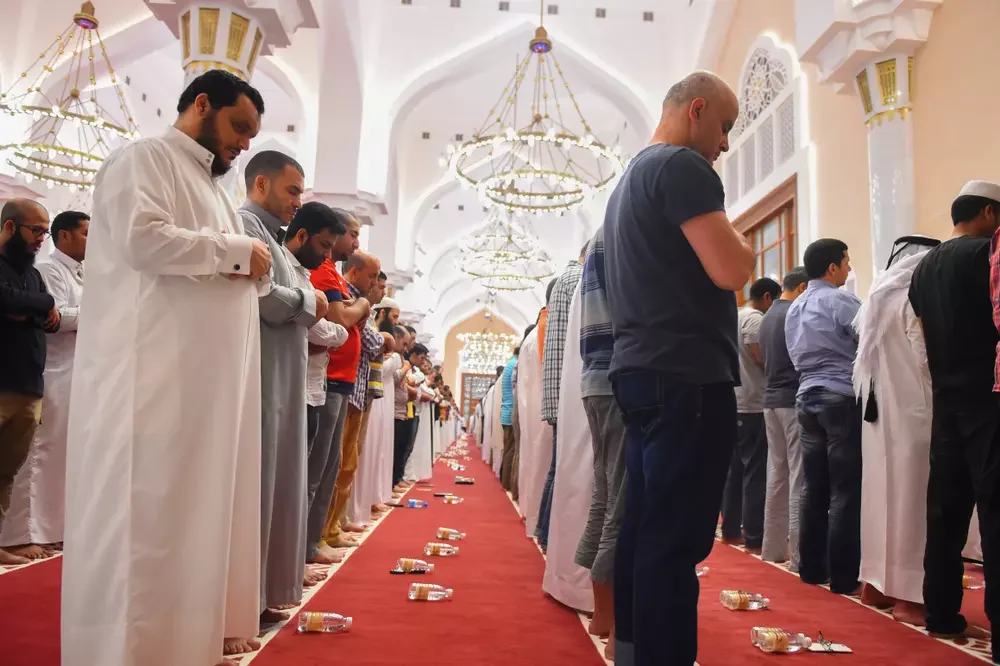
Taraweeh prayer is a unique opportunity to foster unity and brotherhood, as Muslims come together in congregational prayer at mosques. It encourages social bonds among worshippers, reinforcing a shared sense of faith and devotion. The collective atmosphere of Taraweeh enhances the spiritual experience, reminding believers of the importance of community in Islam.

  • Increasing Engagement with the Quran

A means of deepening the connection with the words of Allah (SWT), as many strive to complete the recitation of the Quran during Ramadan. Whether through listening to the Imam’s recitation or reading individually, Taraweeh allows Muslims to reflect on divine guidance and strengthen their understanding of Islamic teachings.

Taraweeh in congregation vs. alone

Taraweeh can be performed both in congregation at the mosque or individually at home, each offering unique benefits. Praying in congregation allows worshippers to experience the spiritual energy of communal prayer, fostering a sense of unity and strengthening ties within the Muslim community. It also provides an opportunity to listen to the Quran being recited by an Imam, which can enhance one’s understanding and engagement with its meanings. 

On the other hand, praying Taraweeh alone offers flexibility, allowing individuals to pray at their own pace and reflect deeply on their recitation. This can be particularly beneficial for those who prefer a more personal form of worship. While both options are valid and rewarding, many scholars encourage praying in congregation when possible, as it revives the Sunnah of the Prophet (peace be upon him) and carries the added benefit of standing together in devotion. 

How can a woman pray taraweeh at home?

Women praying Taraweeh at home follow the same method as they do for other prayers, with the key consideration being the number of raka’at. Taraweeh is performed in sets of two raka’at, meaning a woman can pray two raka’at, followed by another two, and continue in this manner for as many raka’at as she wishes. There is no fixed number, but it is common to pray eight or twenty raka’at, followed by Witr prayer. Praying at home allows women to set their own pace, recite from the Quran at their comfort, and engage in personal reflection and supplication. 

How to perform taraweeh at home: number of raka’at

​The number of raka’at (units of prayer) in Taraweeh has been a subject of discussion among scholars, leading to varying practices:​

  • Eight Raka’at: Some traditions indicate that the Prophet Muhammad (peace be upon him) performed eight raka’at for Taraweeh. This practice is supported by certain narrations and is followed by some communities.​
  • Twenty Raka’at: During the caliphate of Umar ibn al-Khattab (may Allah be pleased with him), the practice of performing twenty raka’at in congregation was established. This became a common tradition in many parts of the Muslim world and is upheld by various Islamic schools of thought.

How is taraweeh prayer performed? Things to consider

  • Time of Prayer: Taraweeh is performed after Isha prayer and continues until before Fajr. Many choose to pray it immediately after Isha, while others delay it to later in the night.
  • Number of Raka’at: There is no fixed number of raka’at, and scholarly opinions vary. Some narrations mention eight raka’at, while others support twelve or twenty raka’at. The key is to pray in sets of two raka’at and follow it with Witr prayer.
  • Praying in Congregation or Alone: Taraweeh can be performed individually at home or in congregation at the mosque. Praying in congregation is a well-established tradition that enhances the spiritual atmosphere, while praying at home offers flexibility and personal reflection.
  • Recitation of the Quran: The Quran is recited during Taraweeh, with many mosques completing one Juz’ per night to finish the entire Quran in Ramadan. Those praying at home can recite from memory or hold a Mushaf (Quran) while praying.
  • Pace and Focus: Taraweeh is meant to be prayed with devotion, so it’s recommended to maintain a balanced and mindful pace.

How to pray taraweeh step by step?

  1. Prepare for Prayer by Performing Wudu (ablution) to be in a state of purity, wearing clean and modest clothing suitable for prayer, and finding a quiet and comfortable space to pray, free from distractions.
  2. Quietly make the intention in your heart to pray Taraweeh and start the prayer, taking the normal correct position of praying.
  3. Recite Surah Al-Fatiha (The Opening Chapter of the Quran), then recite any short or long Surah from the Quran.
  4. Perform Ruku (Bowing Position) by saying “Allahu Akbar” and bowing into Ruku. As you bow, say “Subha Rabby al-Azeem” and repeat it three times.
  5. Then, stand back up, and as you do, say “Samia Allah li mn hamid” (Allah hears those who praise Him). After that, say “Rabbana w laka al-hamd” (oh allah, all praise belongs to You)
  6. Perform Sujood (Prostration) by saying “Allahu Akbar” and going into Sujood. Recite “Subhana Rabbiyal A’la” three times.
  7. Sit briefly, then perform a second Sujood, repeating the same recitation.
  8. Stand up for the second raka’ah, take the beginning position and repeat Steps 3-6.
  9. After completing the second raka’ah, sit and recite Tashahhud (At-Tahiyyat). Finish by turning your head to the right, saying “Assalamu Alaikum wa Rahmatullah,” then to the left, repeating “Assalamu Alaikum wa Rahmatullah.
  10. To continue with more raka’at (e.g., 8, 12, or 20), stand up and repeat from Step 2

Note that you need to pray the 4 rakat of Ishaa before praying taraweeh.

Mistakes to avoid in taraweeh prayer

  • Rushing through the prayer: Performing Taraweeh too quickly reduces focus and spiritual benefit. It should be prayed with calmness and devotion.
  • Skipping Isha prayer: Taraweeh is only valid after completing Isha; skipping it invalidates the prayer.
  • Neglecting Tajweed and Quran recitation rules: If reciting from memory, ensure correct pronunciation and recitation of Surahs. To avoid this, you can join Noor Institute’s online islamic courses that are designed to teach you correct recitation and tajweed, ensuring you recite smoothly and correctly.
  • Not praying in sets of two raka’at: Taraweeh should always be prayed in units of two raka’at.
  • Skipping Witr prayer: Witr is strongly recommended after Taraweeh and should not be neglected.

Holding the Quran while praying taraweeh

There are different opinions among scholars regarding holding the Quran while performing Taraweeh prayer, especially for those who do not have much of the Quran memorized.

According to the Hanbali, Maliki, and Shafi’i schools of thought, it is permissible to hold a copy of the Quran (Mushaf) during voluntary prayers, including Taraweeh. This also applies to digital copies on mobile devices or tablets. Even an Imam leading the prayer is allowed to hold the Quran while reciting.

The Shafi’i school emphasizes that while holding the Quran, excessive movement should be avoided, as too much movement could invalidate the prayer.

There is also a difference of opinion within the Hanafi school. Some Hanafi scholars state that holding the Quran while praying is impermissible, while others consider it permissible but disliked (Makruh).

What is taraweeh dua?

There is no specific du’a that must be recited after completing Taraweeh prayer. However, Muslims are encouraged to make any supplication of their choice. This can include du’as from the Quran or Du’as from the Sunnah, such as seeking forgiveness, mercy, and guidance.

A typical prayer you might say after Tarawih is: “Rabbana atina fi al-donya hasanah wa fi al-akhirah hasanah wa qina ‘azab al-nar” this means, “Our Lord, give us what is good in this world and what is good in the Hereafter, and save us from the punishment of the Fire” (from the Surah Al-Baqarah).

5 creative ways to engage kids in taraweeh prayer

  1. Create a special prayer space: Set up a designated prayer area at home with colorful prayer mats, lanterns, and decorations to make it feel inviting and exciting for children.
  2. Use storytelling to teach about Taraweeh: Share inspiring stories about the Prophet (peace be upon him) and the importance of Taraweeh to help children understand its significance in a fun and engaging way.
  3. Introduce a reward system: Motivate kids by using sticker charts, small treats, or verbal encouragement after completing a set number of raka’at to make prayer feel like an achievement.
  4. Encourage participation in recitation: Let kids recite short surahs they have memorized or follow along in a Mushaf to keep them engaged and involved in the prayer.
  5. Keep the prayer short and flexible: Start with a few raka’at and gradually increase, allowing breaks if needed to ensure they enjoy the experience without feeling overwhelmed.

Quran recitation plan for taraweeh in Ramadan

One effective approach is to recite one-fifth of a Hizb (approximately one page) in each raka’ah. This method ensures a balanced pace, allowing the completion of one full Juz’ per night when praying twenty raka’at. Since a Juz’ consists of eight Hizb, reciting a quarter of a Hizb per raka’ah would complete a Juz’ in only eight raka’at. If praying twelve raka’at, this method would result in completing one and a half Juz’ per night. To guarantee that you finish the Quran in 30 days, you can modify the length of the recitation for each raka’ah according to the number of raka’at you offer. This approach maintains spiritual engagement while allowing for meaningful reflection on the Quran’s verses throughout the blessed month.

For a detailed, step-by-step plan, see our guide on
how to finish the Quran in Ramadan.

Gain authentic Islamic teachings with Noor Institute

Noor Institute is a beacon of authentic Islamic education, dedicated to providing profound and comprehensive learning experiences rooted in the Quran and Sunnah. The institute boasts a team of exceptionally skilled scholars and teachers, delivering well-organized online courses in Tajweed, Tafsir, Fiqh, and Arabic. This ensures students gain a thorough and practical grasp of Islamic teachings. Skillfully merging timeless knowledge with contemporary teaching approaches, Noor Institute makes learning both easy to access and captivating. It caters to learners of all stages, whether they’re laying a solid foundation or furthering their studies. Dedicated to authenticity and trustworthiness, the institute paves a clear path for spiritual development and a more profound understanding of Islam.

Conclusion

Understanding how to perform Taraweeh allows Muslims to make the most of Ramadan’s spiritual blessings. Whether praying at home or in congregation, Taraweeh serves as a powerful way to seek forgiveness, strengthen faith, and engage with the Quran. By following a structured approach, ensuring sincerity in prayer, and maintaining focus, believers can experience the true essence of Taraweeh during this blessed month.

For those seeking to enhance their understanding of Islamic teachings, Noor Institute provides a structured and authentic learning experience. With expert scholars offering courses in various branches of Islamic knowledge, it helps students of all levels deepen their connection to Islam. Whether you are looking to enhance your Quran recitation or gain a comprehensive understanding of Islamic practices, Noor Institute is your trusted guide on this journey of spiritual growth.

Sign up for Noor Institute’s online courses to master tajweed, tafsir, and more.

Frequently asked questions 

  • If I missed a couple raka’at during taraweeh, can I pray witr with the imam and finish the rest of taraweeh afterwards?

Yes, you can pray Witr with the imam and then complete the missed Taraweeh raka’at afterward. However, if you prefer, you can delay Witr and pray it at the end of your personal Taraweeh.


  • Is Taraweeh 8 or 20 raka’at?

Both are correct. There is no fixed number, and both opinions exist based on different traditions. Some follow the practice of 8 raka’at with the Prophet ﷺ, while others follow the 20 raka’at established in Islamic history.

Find nearby Islamic centers in the UK & US and Canada:

Ramadan Facts for Kids: A Simple and Fun Guide

Ramadan Facts for Kids in the UK: A Simple and Fun Guide

Ramadan Facts for Kids in the UK: A Simple and Fun Guide

If your child in the UK thinks Ramadan is “just fasting”… you’re missing the best part.
Ramadan is the month where children learn love for Allah, self-control, kindness, and real Islamic confidence — in a way that actually fits their life in Britain (school, friends, exams, and daily routines).
In this simple and fun guide, you’ll discover the most important Ramadan facts for kids in the UK, explained in a way children truly understand — with easy examples, short stories, and practical ideas you can use tonight.
✅ And if you want your child to love Ramadan (not just survive it)…
🎁 Book a FREE trial with Noor Institute today and let them learn Quran, Islamic values, and Ramadan lessons with expert teachers — in a fun, structured way built for kids growing up in the UK.👉 Start your child’s FREE trial now: Start Your Journey Now 

Each year, Muslims worldwide celebrate Ramadan, a special month focused on fasting, prayer, and helping others. It’s a time of reflection, self-control, and generosity, with families uniting to deepen their faith and assist those less fortunate.  But how to explain to kids what makes Ramadan so significant? The interesting Ramadan facts for kids found here will help them grasp why so many people abstain from food and drink from dawn till dusk, rise before the sun for Suhoor, and gather for Iftar to break their fast. Along the way, they’ll understand valuable lessons about patience, thankfulness, and kindness, shaping their understanding of faith, community, and the joy of giving.

Ramadan Explained for Kids (Simple and Easy)

In the Islamic calendar, Ramadan is a unique month when Muslims worldwide emphasize self-control, kindness, and faith. It is a time for fasting from sunrise to sunset, but it is also about much more than just food. Families gather to worship, eat together, and perform charitable activities. For children, Ramadan offers an enjoyable and significant opportunity to learn about patience, giving, and thankfulness. Ramadan imparts valuable life lessons through storytelling, charitable giving, and celebration with loved ones.

Ramadan facts for kids : what happens during Ramadan 

Ramadan is a holy and special month for Muslim people all around the world. It is a month of prayer, fasting, and reflection. But what actually happens during Ramadan?

Ramadan facts for kids so they can learn more about this special month:

  • Fasting (Sawm): Many Muslims refrain from eating or drinking during the day in Ramadan, fasting from dawn to sunset. However, fasting is not required for elderly people, sick people, or young children.
  • Suhoor (Pre-Dawn Meal): Before fasting begins, families rise early to eat a meal called Suhoor so that they will be energized throughout the day.
  • Iftar (Breaking the Fast): Families break their fast at sunset by eating a meal called Iftar, traditionally starting with water and dates, followed by a main meal.
  • Prayer and Worship: Muslims typically pray five prayers each day, and during Ramadan, many also attend the mosque for extra nightly prayers known as Taraweeh.

You can learn more in our guide on how to pray Taraweeh in Ramadan

  • Acts of Kindness: Throughout Ramadan, Muslims engage in acts of charity, such as assisting others, giving to the needy (Zakat), and showing compassion to family and friends.
  • Reading the Quran: Ramadan is a period when many Muslims dedicate time to reading and contemplating the Quran.
  • Eid al-Fitr Celebration: Ramadan concludes with a festive celebration called Eid al-Fitr, a joyous occasion where families come together, savor delightful feasts, exchange presents, and share joy with their dear ones.

Fun Ramadan activities to teach kids about fasting 

To explain what is ramadan for kids, teaching them the meaning of fast it is important to use fun ways as children respond better to activities and playing.

  • Storytelling 

One of the easiest ways to explain the history of Ramadan to children is through storytelling. It is simple for parents to share basic stories about how Ramadan started, why fasting is important, and what it teaches. Through picture books, and cartoons, it becomes easier to understand islamic teachings for kids.

  • Ramadan Countdown Calendar

Create a Ramadan calendar where kids can mark each day until Eid al-Fitr. To keep children enthusiastic about the month, they can write a nice deed they did, add a sticker, or get a small surprise every day.

  • Mini-Fasting Challenge

Since young children aren’t required to fast, they can try fasting for a couple of hours or skip snacks between meals to get a little taste of what it’s like to fast.

  • Ramadan Arts & Crafts

Get kids excited about making Ramadan crafts like lanterns, moon and star decorations, or even a fasting-themed coloring book. It’s a fun way for them to learn and unleash their creativity while grasping why this month is so special.

  • Cooking Iftar Together

Get the kids involved in preparing Iftar by having them help with easy recipes or setting the table. It’s a great way for them to feel part of the family and learn the value of sharing meals together.

  • Sadaqah Jar

Ramadan is all about giving and helping others, so start a Sadaqah Jar where children can put in small amounts of money to help the less fortunate. At the end of Ramadan, they can donate the money they’ve saved to those in need, fostering a spirit of generosity and kindness.

Explaining the importance of Ramadan for kids

Ramadan is one of the most special and meaningful months in Islam. It teaches children important values that help shape their character. 

  • Self-discipline and patience:Fasting makes Muslims show self-discipline and determination, proving that they can hold on even in the face of difficulties.
  • Gratitude and appreciation: Being hungry, even if for a short time, makes one appreciate the things that one possesses, such as food, water, and family.
  • Generosity and kindness:Ramadan inspires us to help others, donate to charity, and share with those who are less fortunate.
  • Spiritual growth: During this time, Muslims concentrate on prayer, reading the Quran, and striving to become better individuals by enhancing their actions and thoughts.

Learn about Islam the easy way with Noor Institute 

Noor Institute provides a range of interactive and enjoyable learning approaches, including online classes, to help children establish a strong connection with their faith while having a fun learning experience. Kids can delve into subjects like Islamic history, Islamic ethics, and Aqidah, acquiring valuable knowledge in a straightforward and engaging manner. Committed to offering Islamic studies that are accessible and enjoyable, Noor Institute also offers the best online Quran classes for kids so they can attain a thorough comprehension of their religion with confidence and enthusiasm.

Enroll your kid today to offer them a captivating and engaging way of learning Islam.


Find nearby Islamic centers in the UK & US and Canada:

Who Wrote the Quran

Who Wrote the Quran? The Truth Revealed

Many people ask, “Who wrote the Quran?” Understanding this question is essential for anyone seeking authentic Islamic knowledge. The Quran is the eternal word of Allah, revealed to Prophet Muhammad (peace be upon him) through the angel Jibreel. By exploring who wrote the Quran, non-Arabic speaking Muslims can deepen their Quran understanding, connect with the text in its true spiritual and historical context, and strengthen their faith. This article provides clear explanations, historical insights, and authoritative Islamic perspectives to answer this critical question comprehensively.

Some skeptics argue that the Quran was authored by a human specifically Prophet Muhammad ﷺ. However, this is a common misconception that deserves careful examination. Understanding who truly wrote the Quran is crucial to recognizing its divine origin.

In this blog, we’ll uncover clear evidence that the Quran is not a human creation, but the word of God revealed to Prophet Muhammad ﷺ over a span of 23 years.

Who Actually Wrote the Quran

The simple answer to the question “Who really wrote the Quran?” is that it is the word of God, given to Prophet Muhammad ﷺ. The Prophet did not write the revelations himself; instead, his close companions wrote them down. These companions carefully recorded the divine messages using materials like parchment, palm leaves, and bones. They made sure to keep the Quran accurate and unchanged.

The Quran was revealed to Prophet Muhammad ﷺ over 23 years, starting in 610 CE when he was around 40 years old. The first revelation came in the solitude of the Hira cave near Mecca, where the angel Gabriel delivered God’s message, marking the beginning of Muhammad’s mission as the final messenger to humanity. 

so, who first wrote the Quran? It was not the Prophet himself but some of his trusted companions who acted as scribes to document the revelations as they were received. The companions were known for their very good memories and writing skills, and they recorded the verses on whatever was available to them at that time, like parchment, leaves of palms, bones, and stones.

The revelations didn’t come all at once but were given at different times, depending on what was happening or what questions the early Muslim community had.The Quran was revealed gradually, with each part providing guidance and answering specific problems. After the Prophet Muhammad passed away, it became important to gather all these scattered messages into one complete book. The first leader after the Prophet, Abu Bakr, started this work by asking some of the Prophet’s close companions to collect and organize the writings. Later, the third leader, Uthman ibn Affan, standardized the text and distributed copies across the Islamic empire to prevent discrepancies and ensure uniformity, safeguarding the Quran’s authenticity for future generations.

Proof the Quran Was Not Written by Prophet Muhammad

The best evidence that the Quran wasn’t written by Prophet Muhammad ﷺ is that he didn’t know how to read or write. It’s hard to believe that someone without any education could create a book with such deep wisdom and beautiful language.

Some evidences that who actually wrote quran wasn’t prophet Muahammad:

  • Consistency Over 23 Years: The Quran was revealed over a period of 23 years, but its style stayed the same throughout, even though the Prophet’s life had many ups and downs. Unlike regular writing, which can change based on emotions, the Quran kept the same tone from start to finish.
  • Distinct Styles of Quran and Hadith: The Quran’s sophisticated, poetic form contrasts with the simpler, conversational tone of the Hadith. It is unlikely an illiterate person could produce two such distinct styles of literature.
  • No Personal Gain: Prophet Muhammad ﷺ didn’t gain anything from writing the Quran. In fact, his message caused him to face persecution, lose loved ones, and be forced to leave his home. This makes it unlikely that he wrote it for personal gain.
  • Honor to Mary (Mother of Jesus): The Quran honors Mary in a special way. It is the only book that has one complete chapter in her name. If the Prophet ﷺ had authored the Quran, he most probably would have honored one of his family members and not Mary, showing it was not self-serving.
  • Wide Range of Topics: The Quran covers many different topics in a detailed and clear way. It would be very hard for someone who couldn’t read or write to discuss so many subjects so well.

Quran Features Proving It Is From God

The Quran has many qualities that clearly show it is from God, proving that it could only have come from Allah.

  • Gradual Revelation and Coherence: The Quran was revealed over 23 years, as mentioned in Surah al-Isra (17:106). If a human had written it, it would have been hard to keep everything consistent over such a long time. But the Quran has a perfect and clear message that stayed the same over those 20 years. This gradual process helped people understand and remember its teachings better, showing that it truly comes from God.
  • Eternal Wisdom: Unlike books written by people, which can become outdated as new information is found, the Quran has never been changed or updated. Over time, human understanding grows, often making old ideas incomplete or incorrect. But the Quran’s teachings stay the same forever, showing that it comes from a divine source. 
  • Scientific Miracles: Even though the Quran isn’t a science book, it mentions many natural events that scientists have only recently discovered.

Noor Institute: Your Online Hub for Quran and Islamic Studies

Noor Institute offers flexible and convenient online classes for all levels, making it easier for students to connect with the Quran and deepen their knowledge of Islam at their own pace. These expertly designed Quran online classes enable learners to explore Islamic teachings, enhance their Quranic knowledge, and advance in their studies from any part of the world. The institute provides a supportive and engaging environment that helps create a deeper connection with the Quran and its teachings.

Conclusion 

The Quran offers undeniable evidence that it could not have been authored by Prophet Muhammad ﷺ, as some claim. Its unmatched consistency, timeless knowledge, scientific precision, and complete preservation throughout history all point to its divine origin. These truths affirm that the Quran is a living miracle and a timeless guide for all of humanity.

If you’re eager to explore the Quran’s wisdom and deepen your understanding, Noor Institute is here to help. Our flexible online courses are designed to bring you closer to the divine message—anytime, anywhere.

Start your journey today. Sign up for a free trial with Noor Institute.

how to understand quran easily

How to Understand the Quran Easily

Life can feel overwhelming without clear guidance to navigate its challenges. We all seek principles that help us make wise decisions. For Muslims, the Quran is that ultimate source of guidance offering timeless wisdom for every aspect of life. Yet, many find it difficult to grasp its deeper meanings.

That’s why the question “how to understand the Quran easily” is a journey many Muslims embark on to connect more deeply with the powerful lessons of this divine book.

The Importance of Understanding the Quran

  • Divine Guidance: The Quran is the word of Allah, offering clear guidance on how to live a righteous life, with wisdom applicable to both personal and societal matters.
  • Spiritual Connectivity: Comprehension of the Quran develops a strong bond between an individual and Allah enhancing their faith (Iman) and drawing them closer to the essence of Islam.
  • Moral Compass: The Holy Quran provides a moral framework that guides major values including honesty, compassion, justice, and humility in forming the basic elements of integrity.
  • Source of Wisdom: The Quran provides guidance on many topics, such as science, history, and human behavior, giving a complete understanding of life and creation.
  • Guide to Inner Calm: Reflecting on the Quran’s lessons helps people find comfort, patience, and satisfaction during tough times, promoting inner peace and strength.
  • Improved Worship: Understanding the Quran improves the quality of worship by helping believers grasp the meanings behind their prayers and rituals, making their worship more genuine and heartfelt.

1- Know Why you Want to understand the Quran

Learning How to Understand Quran Easily is a profound journey that starts with determining what motivates you to read the Quran. The presence of clear intentions shall greatly help in understanding. If you know why you want to engage with the Quran, then you will be able to establish what exactly you want to do to achieve it. This intentional approach will better enable you to navigate the text because you’re more motivated to look for insights that might help achieve those objectives. Second, knowing your motivation invites a more authentic engagement with the text; the reading is not strictly an intellectual exercise but an in-depth, personal investigation into faith and wisdom.

2- Read the Quarn with the Language you Master

To grasp the Quran with ease, it’s best to read it in a language you know well. When you dive into the text using your native tongue or the one you’re most comfortable with, you can pick up on the subtle meanings, background, and richness of its lessons. Reading in a language that feels natural to you makes it simpler to think about what the verses mean and how they relate to your life. This way, you also build a stronger emotional and spiritual bond with the text. 

3- Learn What the Quran is About

The Quran serves as a comprehensive guide for people, similar to a constitution that outlines the rules for living a balanced and peaceful life. In its teachings, Allah addresses different roles in society, offering advice that applies to everyone, no matter their position. This holy book provides important lessons on good behavior, fairness, and taking responsibility for one’s actions, emphasizing the importance of community and family. By explaining the duties of each role, the Quran fosters a sense of responsibility towards oneself and others. Understanding the Quran in this way helps people make wise and honest decisions as they face life’s challenges, making it a valuable resource for anyone seeking guidance in their personal and social lives.

4- Refer Back to Trusted Tafsir and Hadith 

To better understand the Quran, it’s important to look at trusted Tafsir and Hadith. Good Tafsir gives you context, meanings, and explanations of the verses, helping you understand what they mean and how to use them in everyday life. 

Some of the best Tafsir books are Tafsir Ibn Kathir, which uses stories from the Prophet and his friends, and Tafsir al-Tabari, which covers a lot and uses reliable sources. Using these books helps you understand the hard parts of the Quran and also matches your understanding with real Hadith, which gives practical advice on the application of Quran principles.

5- Seek Guidance from Experienced Mentors 

Understanding the Quran well can be challenging, so it’s helpful to get advice from highly experienced mentors. 

Noor Institute offers Quran online classes led by knowledgeable religious scholars. They design lessons tailored to your learning preferences and cover key topics about Islam. Through these expert-led sessions, students receive personalized assistance and can delve deeper into the teachings of the Quran.

6- Consistency is Key

Consistency is very important for understanding the Quran’s teachings. By making Quran reading and thinking about it a regular part of your routine, you can apply its lessons to your daily life. This ongoing connection with the Quran helps to develop your spiritual side and strengthens your relationship with its wisdom over time. It’s helpful to set aside specific moments to read, think about, and learn Quran online or offline, which strengthens your dedication. Additionally, consistency enables you to track your progress and reflect on how the teachings resonate with your experiences. 

Understand the Quran Easily with Noor Institute 

At Noor Institute, we’re dedicated to guiding you on a meaningful journey of spiritual growth through clear and accessible Quranic education. Our step-by-step courses are specially designed to help you understand the Quran easily breaking down complex concepts into simple, practical lessons.

Whether you’re a beginner or looking to deepen your knowledge, our expert instructors and personalized learning plans make it possible and fulfilling.

Start your journey today—sign up for a free trial and connect with the Quran like never before.

how to memorize surah fast

Effective methods for how to memorize surah fast

If you’re wondering how to memorize surah fast  but are concerned about the time and effort! You’re not alone. As non-native Arabic speakers, memorizing the Quran presents unique challenges! Noor Institute, renowned for its qualified teachers and personalized learning approach, empowers you to unlock the beauty of the Quran at your own pace.

So, let’s dive in and discover how you can memorize surahs faster, deepen your understanding, and enrich your life with the divine wisdom of the Quran.

how to memorize surah fast at Noor Institute 

At Noor Institute, we understand the unique challenges non-native Arabic speakers face when memorizing the Quran. That’s why we’ve crafted a powerful approach to help you accelerate your surah learning journey.

Noor Institute tailors its online Quran classes to your pace and learning style. Our qualified teachers guide you step-by-step, ensuring you grasp pronunciation, tajweed, and meaning effortlessly.

Here, we will provide you with some tips on how to memorize the Quran.

How to memorize Quran without forgetting 

The Holy Quran’s surahs and verses must be committed to memory, which is a difficult task that calls for a lot of concentration, perseverance, and hard labor. All of us who are in the process of becoming Hafiz find it challenging because the majority of us who want to learn the Quran online are not native Arabic speakers. Here are some easy ways to help you memorize a surah and apply its meaning to your life for a bigger impact.

1- Use Tajweed for Clear Recitation:

It’s important to focus on Tajweed when starting the process of memorizing the Quran. Mastering Tajweed rules is essential to ensure accurate pronunciation and to avoid altering the meaning of the verses. Study Tajweed rules diligently and listen to proficient reciters to learn the correct pronunciation and intonation. By incorporating Tajweed into your recitation, you establish a strong foundation for Quran memorization.

2- Utilize the Chunking Technique:

Another helpful technique for memorizing Surahs is the chunking technique. Surahs can be quite lengthy, and attempting to memorize them as a whole can be overwhelming. Instead, break down the Surahs into smaller, manageable chunks. Identify natural divisions within the Surah, such as groups of Ayahs or thematic sections, and divide the Surah accordingly. By breaking the Surah into smaller sections, you can focus on memorizing one chunk at a time, gradually progressing through the Surah. This approach makes the memorization process more manageable and less daunting.

3- Write Verses on Paper:

If you are wondering how to memorize surah fast, one effective technique is to enhance your visual memory by writing the verses on paper. This method engages your visual senses, allowing you to see the words being formed on the page. As you write the verses down, it reinforces the memorization process and helps imprint the words in your mind. The act of physically writing also creates a kinesthetic memory, as the movement of your hand reinforces the connection between the written words and their meaning. By incorporating this multi-sensory approach, you can aid in recall and strengthen your overall memorization abilities, enabling you to learn Surahs more quickly.

4- Focus on Each Verse’s First Aya

An effective strategy for memorizing the Quran is to concentrate on the first word of each verse. This initial word acts as an anchor or foundation for your memorization process. By committing the first word to memory, you establish a reference point that guides you through the rest of the verse. It serves as a starting point from which you can navigate the structure and flow of the verse more easily. By employing this technique, you can enhance your memorization speed and efficiency. With dedicated practice, it is possible to memorize a page of the Quran in just one hour.

5- Read aloud:

When you read aloud, you create a multisensory experience that can significantly contribute to imprinting the Surahs in your mind. So, make it a habit to recite the Surahs out loud during your practice sessions, and you will find that this approach accelerates your learning process.

6- Repeat regularly:

Consistency is crucial to help you how to learn a surah quickly. Make it a habit to repeat the Surahs regularly, and dedicate a specific time each day to revise and recite the Surahs you are memorizing. By consistently repeating the verses, you reinforce memory retention and improve fluency in recitation.

7- Understand the Meaning:

While memorizing, it is essential to understand the meaning behind the verses. Take the time to delve into the deeper significance of the words, Reflect on the verses, and try to relate them to real-life situations. Additionally, make connections between the verses and other teachings from the Quran. These meaningful associations help solidify the verses in your mind and enhance your ability to recall them.

8- Maintain a Balance:

However, it is important to strike a balance between comprehension and memorization. While understanding the meaning of the verses is beneficial for memorization, it should not overshadow the actual memorization process. Allocate dedicated time for both understanding and memorizing the verses. By finding this equilibrium, you can effectively internalize the words of the Quran while still focusing on the task of memorization.

9- Regularly Review:

Create an organized review method for your memorizing. Establish the length, focus, and frequency of each review session. Recite some verses you’ve already memorized and try to remember the verses without consulting the text.

10- Utilize Memorization Techniques:

Effective memorization techniques teach you how to memorize surah fast, Experiment with different methods such as repetition, visualization, and recitation to find what works best for you. By incorporating these techniques into your practice, you can enhance your ability to memorize Surahs efficiently.

11- Seek Guidance:

Enroll in Noor Institute online Quran classes and seek guidance from our knowledgeable teachers.

Our online Quran classes are designed to provide valuable insights and support for learners, and our knowledgeable teachers can offer expert advice, correct your recitation, and guide you on effective memorization strategies.

12- Supportive Environment:

Find a peaceful and focused space where you can dedicate your practice sessions to Quranic memorization. Minimizing distractions and having a quiet environment will allow you to concentrate fully on the task at hand, enabling faster and more effective memorization.

13- Trust in Your Abilities:

Have confidence in yourself and your abilities to memorize the Quran. Believe in your progress and stay patient with yourself. With dedication and perseverance, you can successfully memorize Surahs.

how to memorize a surah fast!

Repetition Technique: 

Recite each line of the Surah ten times, focusing on the pronunciation and rhythm. Afterward, try to recite the lines from memory one to ten times, depending on your comfort level, and repeat the process until you achieve mastery.

Gradual Elimination Technique: 

Begin by reciting an Ayah while looking at the text, and then reciting it without looking. Gradually decrease the number of repetitions while maintaining accuracy. This technique reinforces memorization by challenging your memory and encouraging independent recitation.

Progressive Memorization Technique: 

Recite a verse while looking at it six times, and then recite it four times without looking. Adjust the number of repetitions based on your progress and confidence. This method gradually reduces dependency on visual cues and helps solidify memorization.

Combination Technique: 

Recite each line of the Surah using a combination of looking at the text and reciting from memory. Gradually increase the complexity by reciting longer sections without looking. This technique helps develop both memorization skills and fluency in recitation.

Audio Practice Technique: 

Listen to an audio recording of the Surah and follow along with the text. Then, recite each line slowly and gradually increase your speed, This method enhances fluency and recall while strengthening your ability to recite the Surah accurately.

How does Noor Institute help you learn a surah quickly?

Noor Institute is committed to expediting your surah learning process with a profound focus on Quran memorization, recognizing its spiritual and intellectual significance. Our specialized courses employ proven memorization techniques, personalized guidance, and regular assessments to ensure steady progress and retention of memorized verses.

Experienced Quranic Instruction:

Our institute boasts skilled teachers well-versed in Tajweed and Tafsir, catering to learners of all levels. From beginners to advanced students, our instructors provide personalized attention, emphasizing correct pronunciation and fostering a deep understanding of the verses.

Engaging Learning Community:

Noor Institute cultivates a supportive learning community through interactive Quran discussions, Q&A sessions, and online forums. This collaborative environment enhances engagement, motivation, and a sense of belonging crucial for successful Quranic learning.

Supplementary Resources:

To enrich the learning experience, Noor Institute offers supplementary resources such as digital Quran texts, audio recitations, and translation options. These resources empower learners to independently practice, review, and deepen their understanding of the Quran outside structured sessions.

By providing a well-rounded learning experience, Noor Institute ensures a comprehensive approach to Surah memorization.

Conclusion

To everyone seeking how to memorize surah fast, Noor Institute stands out as an exceptional online platform for learning and memorizing the Quran. Through their comprehensive curriculum, experienced instructors, personalized guidance, and supportive community, they provide a conducive environment for individuals to learn and excel in their Quran studies efficiently and effectively.

Don’t let time or language barriers, hold you back! Take the first step towards your Quran learning goals, and contact Noor Institute today!

FAQ

how to memorize surah fast?

Divide the Surah into smaller sections (verses, pages). Focus on one part at a time, Recite each part correctly, understand the meaning, repeat aloud from memory, and finally Practice daily, even if for short periods.

How to memorize the Quran in 5 minutes?

Aiming for genuine memorization in 5 minutes is impractical and potentially counterproductive. Remember, quality over speed!

Arabic language Center in UK

Arabic language Center in UK

Unlock the full potential of your Islamic learning at the Arabic Language Center in UK by Noor Institute, the premier destination for authentic Arabic and Quranic education online. Our center is specially designed for non-Arabic speaking Muslims in the UK, US, Canada, and UAE, offering a comprehensive, step-by-step Arabic learning plan that guarantees fast, effective, and engaging results. Whether your goal is to learn Arabic for Quran, understand Quranic Arabic, or gain fluency in modern and classical Arabic, Noor Institute provides the fastest, most reliable pathway to success.


At Noor Institute, you can study Quran online, join interactive Arabic classes for Muslims, and follow structured Islamic courses that combine Arabic language learning with Quranic and Hadith studies. Our Quranic Arabic lessons for beginners ensure that every student develops a solid foundation in Arabic grammar for Quran understanding, while advanced modules help learners master Islamic terminology, comprehension, and practical application.


The Arabic Language Center in UK is more than just a language program—it’s a gateway to deep Quran understanding, Islamic knowledge enhancement, and a stronger connection to faith. Our expert instructors provide personalized guidance, enabling students to learn Arabic online step by step, explore Quran Arabic lessons, and comprehend the Quran and Hadith in their original language. This structured approach ensures that learners of all levels—beginners and advanced—achieve tangible progress quickly.


Through interactive online classes, engaging content, and a fully structured Arabic learning curriculum, Noor Institute empowers students to understand Quran in Arabic, connect Islamic learning for non-Arabic speakers with practical knowledge, and apply lessons from the Quran and Sunnah in daily life. Our courses are ideal for anyone in the UK, US, Canada, or UAE who wants the fastest way to learn Quranic Arabic, Arabic comprehension for beginners, and immersive Arabic language programs for non-Arabic speakers.


Don’t settle for scattered, ineffective lessons. Join the Arabic Language Center in UK at Noor Institute today to boost Quran comprehension, enhance your Islamic knowledge, and master Arabic efficiently. Experience live interactive lessons, expert instruction, and a structured program designed to transform your understanding of the Quran, Hadith, and Islamic sciences. Start now, take control of your Islamic education, and achieve fluency, knowledge, and spiritual growth faster than ever before.

Are you looking for an Arabic language center in the UK? Look no further! Our Arabic Language Center in the UK offers comprehensive language courses for individuals of all ages and proficiency levels. Whether you’re a beginner or an advanced learner, our experienced instructors will guide you through the intricacies of the Arabic language, helping you develop your reading, writing, speaking, and listening skills. Immerse yourself in the rich culture and heritage of the Arab world while gaining practical language skills that can be applied in various personal, academic, and professional settings. Join our Arabic Language Center in the UK and embark on a rewarding linguistic journey today!

What is Arabic?                                                                                                                              

Arabic is the 11th or maybe the 10th oldest language known in the world. Arabic is spoken by 24 countries and over 300 million people in 2023. Making it one of the strongest, oldest, and most widely known and spoken languages on earth.

Arabic is also known for its difficulty, as it has many grammar rules and several pronunciation ways. In addition to its unique writing method, its letters are written connectively. One letter can have more than one way of writing.

Arabic language Center in UK                                                                                           

We previously mentioned that Arabic is hard and difficult to learn, and we said why. Now, how can we learn it? Can it be easy or somehow fun to learn? The answer is; Yes! It can simply be easy and fun, and you can enjoy learning it.

Noor Institute is one of the most well-known and efficient institutes where you can study Arabic. It has well-trained and competent teachers that are from many countries. You can reach them out from the website and have online sessions via the Zoom application.

Noor Institute offers several teaching programs starting from two classes a week, to five classes a week. Fees also vary from 32$ to 80$ monthly. All classes with Noor Institute are one-to-one to get the most out of it, and to reach the maximum benefit.

The joy of learning Arabic!                                                                                                                          

If you decide to learn Arabic in an Arabic language center in UK like Noor Institute, then you open Ali Baba’s Cave by yourself! There are zillions of things you can do with Arabic. You can finally communicate with your Arab friends and share stories, life events, happy & sad moments, and even jokes and memes!

Moreover, you can watch Arabic series, movies and cartoons like Sindbad, Bakkar and Captain Majid. You can also watch Arabic Programs for Islamic preachers like Amr Khalid, Mostafa Hosny and Omar Abd El-Kafi.

Furthermore, you will be able to read Arabic literature, like:  

1) Poetry of the poets Ahmad Shawky, who was known as “The Prince of The Poets”, Antarah Ibn Shaddad, the loving lover, who literally fought for his love Ablah and Mahmoud Darwesh.                                                          

2) Novels, by the novelist Nagib Mahfouz, El-Aqqad and Radwa Ashour.

3) Books of the writers Refa’a El-Tahtawy, Mostafa El-Manfalouty and El-Rafe’y.

And the most important benefit of Arabic language Center in UK                                 

will being capable of reading not only the Holy Qur’an and understanding its words and meanings, and knowing the message behind each Ayah, but also the biography of the Prophet Mohammad “Peace Be Upon Him” and his Companions “May Allah be pleased with them”.

Diving into their life events and how they dealt with everything, whether a blessing or a hardship, will give you strength and ability to adapt throughout your life.

All in all, Noor Institute is the perfect available Arabic language center in UK and all over the world. It’s an online, easily reached and easily dealt with website, through which you can open another window in the home of earth!  

Where to study Arabic in USA

Where to study Arabic in USA

Noor Institute is –perfectly- where to study Arabic in USA! It has many privileges over other places and has advantages that you will never find in any other institute.

Know Where to study Arabic in USA                                                     

Let’s say it clearly, learning Arabic is not easy at all, it needs a skilled teacher before a dedicated student. In USA you won’t find several places that teach Arabic, because Arabic is one of the four hardest languages to learn, which are “not in order”:

1)Chinese

2)Japanese

3)Arabic

4)Korean

Arabic is such a unique and sophisticated language!


It has 28 letters, 34 phonemes, 3 vowels, 28 consonants and 25 dialects. It’s spoken in over 20 different countries; they may have other languages besides Arabic, but Arabic is the official language of the country; which newspaper and television talk shows are represented by.
The 25 dialects –and some say they are 30- are extremely different that the Tunisians don’t understand the Saudians for example! Can you imagine to what extent they really vary? But as Egyptians, we are quite different, we are understood by up to 90% of the other Arabic countries; with our easy peasy lemon squeezy dialect! Feeling interested in learning it? Keep reading the article.

Where to study Arabic in USA -Teachers in Noor Institute

In Noor Institute, teachers are Arabs, which means you/your kid will be taught by the original speakers of the Arabic language; Females & males to suit your needs, whether you are a man who prefer male teachers, or a hijabi/niqabi lady who wants another lady to teach her to feel comfortable and relaxed.

Why Noor Institute?  

In addition, you are it’s totally up to you to choose the time that suits you most, whether day or night. One of our most attractive features in Noor institute is that the sessions are one-to-one, one teacher teaches one student! to achieve the best quality of the session.

Arabic teaching methods

When talking about where to study Arabic in USA, Noor Institute’s name will come across as one the best places in that field. Noor Institute has solid Arabic teaching methods, like beginning from the foundation book which includes Arabic alphabet, how to read sections and words and sentences.

The student will study from specialized books
In addition to some basic rules which make the student has strong base and ready to study not only Arabic, but also Qur’an. After that, the student will study from specialized books “Alarabiya byna yadaik” which will teach you:
1)conversation

2)reading

3)listening

4)writing

5)grammar

Great curriculum and creative ways
Noor Institute also has great curriculum and creative ways to attract the student, this curriculum would make the student like an Egyptian student in the high school in Egypt. You will practice Arabic with Arab, until you speak like them Insha’Allah.

One-of-a-kind language

Online Arabic classes in USA :Arabic is a one-of-a-kind language that needs one-of-a-million entity to teach! Which is simply represented in Noor Institute; that unique place where to study Arabic in USA that has native qualified Arabic teachers, females & males, flexible scheduling on day and night, daily mailing after the session including the homework and constant supervising. We have attractive ways of teaching, monthly evaluation sent to the student, a 30-minute free trial class for each student to test the experience before studying, trust and honesty!

If you’re searching where to study Arabic in USA, stop wasting time on scattered apps and slow methods—choose a structured, results-driven path designed for non-Arabic-speaking Muslims who want real fluency fast. The Noor Institute offers one of the most targeted Arabic learning programs in the USA, built for students who want to learn Arabic to understand the Quran, master pronunciation, and progress step-by-step with certified instructors. Whether you need Quranic Arabic classes for beginners, online Arabic lessons for Muslims, or a complete Arabic program with native teachers, this is the fastest, clearest route to real Arabic comprehension. Trusted across the US, UK, Canada, and UAE, it delivers high-engagement teaching, live feedback, and a structured plan that actually works—making it the top choice for studying Arabic in America today.