The battle of Uhud

The battle of Uhud: Insights and Lessons from a Defining Moment

Islamic history is full of transformative events that have greatly influenced the faith and its followers. One of these key moments is the Battle of Uhud, which was a major turning point. This battle tested the strength, unity, and determination of the early Muslim community, and it left behind valuable lessons that still guide Muslims today. By understanding the importance of Uhud and other significant events in Islamic history, we can better appreciate the depth of the faith and the bravery of its early followers.

In this blog, we will delve into the events of Uhud, its impact, and the timeless lessons it offers for Muslims around the world.

What are the reasons of the battle Uhud 

The battle of Uhud was a direct consequence of what occurred after the Battle of Badr,  which had a big impact on the Quraysh. Their defeat at Badr damaged their pride and weakened their influence, making them eager to get back at the Muslims. There were several key reasons why the Quraysh chose to fight against the Muslims.

  • First, they sought to avenge their loss and restore their honor. 
  • Second, they needed to rebuild their reputation among the Arab tribes, which had been harmed by their loss.  
  • Lastly, they wanted to protect their trade routes to Syria, which were very important for their economy.

These combined motives made this Battle an inevitable confrontation between the Quraysh and the Muslims.

Overview of the battle of Uhud

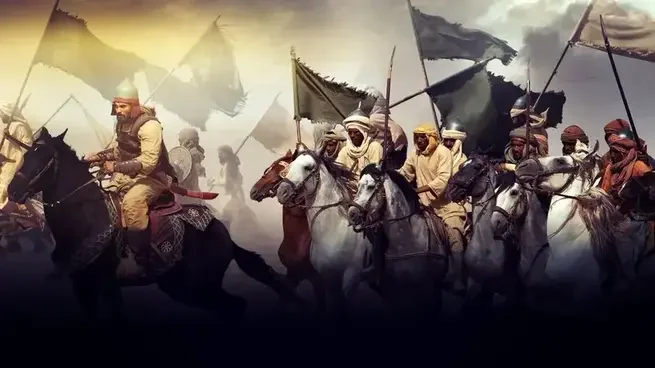
The Battle of Uhud was the second big confrontation between the early Muslims and their enemies, the Quraysh, from Mecca. This battle came after the Muslims made a surprise win in the Battle of Badr in 624 AD. At Badr, the defeat traumatized the pride of the Quraysh, and they were very keen to get revenge to regain their honor back. So they gathered a huge army to face Prophet Muhammad (peace be upon him) and his followers once again.

It took place on the 7th of Shawwal in the third year of the Hijra, near the plains and slopes of Mount Uhud, about 11 kilometers north of Medina. Prophet Muhammad (PBUH) chose it for the good defensive position that would help the Muslims defend themselves against the larger army of the Meccans.

The Quraysh army, led by Abu Sufyan, had about 3,000 soldiers. Meanwhile, the Muslim army began with around 1,000 fighters. However, their numbers decreased when Abdullah ibn Ubayy, the leader of the hypocrites, left with 300 men. This left Prophet Muhammad (PBUH) with only 700 Muslims to fight against the Quraysh army. Before the battle, the Prophet asked his companions for their opinion: should they stay in Medina to protect it or go out to meet the enemy? Some of his companions, like Hamza ibn Abdul-Muttalib, wanted to fight the enemy outside the city. The Prophet agreed with this plan and decided to confront the Quraysh in an open battle.

Brief about what happened 

The battle started with the Muslims securing a good position near Mount Uhud. The Muslims positioned themselves with the mountain behind them and faced the Quraysh army. At first, the Muslims were winning. They pushed Quraysh back and seemed close to victory. However, a crucial moment came when some Muslim archers, who were placed on a hill to protect the rear, ignored the Prophet’s order to stay in their positions and guard against possible attacks from the Quraysh cavalry.

When Quraysh started retreating, some of the archers left their posts, wanting to gather war spoils. This left the Muslim side exposed. The Quraysh, led by Khalid ibn al-Walid, noticed this weakness and launched a surprise attack from behind, taking advantage of the gap in the Muslim defenses.

This sudden change caused confusion, and the Muslims were surprised and scattered as they retreated. Even though things looked bad, Prophet Muhammad (PBUH) and his faithful followers, including his own brave efforts, managed to gather again on the mountain and stand firm.

As a result of the fight, the Prophet got injured, and his uncle, Hamza ibn Abdul-Muttalib, died as a martyr. Even though Quraysh failed to utterly crush the Muslims, they had a small victory. Still, they failed to pursue the Muslims to Medina; the battle was concluded with withdrawing Quraysh to Mecca.

The battle of Uhud summary

The Battle ended in a tactical setback for the Muslims, though it wasn’t a clear victory for the Quraysh. While the Muslims initially gained the upper hand, the situation changed due to a critical mistake:

  • Initial Advantage for Muslims: The Muslims successfully pushed back the Quraysh forces early in the battle.
  • Mistake by Archers: Some Muslim archers abandoned their positions on the hill, leaving the rear unprotected. The Quraysh capitalized on this and launched a counterattack.

– Casualties

  • Muslim Losses: Around 70 Muslims were martyred, including Hamza ibn Abdul-Muttalib, a key figure.
  • Quraysh Losses: The Quraysh suffered fewer casualties, with estimates of 22-37 killed.

Outcome: The Quraysh didn’t fully defeat the Muslims but avenged their loss at Badr. The battle taught valuable lessons in discipline, obedience, and unity.

Important lessons from the battle Uhud

This battle provided several important lessons for the Muslim community, shaping their future actions and strengthening their resolve. Here are the key lessons:

  • Listening and Following Rules: The archers who didn’t stay where they were supposed to caused a big problem. This showed how important it is to listen to the Prophet’s (PBUH) instructions and stick to the plan, especially during important times.  
  • Unity and Cooperation: Despite the challenges, the battle demonstrated the strength of unity among the Muslims. The support and cooperation among the companions were essential in managing the situation even when things went wrong.
  • Patience in Adversity: The Muslims faced significant losses, including the death of prominent figures like Hamza. Yet, they remained patient and resolute, which later contributed to the growth of the Muslim community.
  • The Consequences of Pride: The Quraysh, despite their victory, did not completely crush the Muslims. This reflected that even in victory, overconfidence and the lack of pursuit may result in missed opportunities.
  • Learning from Mistakes: The battle taught the Muslims the importance of reflecting on their mistakes and improving strategies for future challenges. This experience shaped their approach to subsequent battles.

Enhance Your Islamic Knowledge with Noor Institute

At the Noor Institute, we are committed to deepening your understanding of Islam, whether you are a non-Arabic speaker or a native Arabic speaker who wants to enrich your knowledge. Our online platform offers a wide variety of online Islamic courses intended to be easily accessible and adaptable for learners of any background. Led by our expert instructors, with a flexible approach to learning, Noor Institute empowers you to fortify your faith, enhance knowledge of Islamic principles, and connect to the rich heritage of Islam from anywhere around the world.

Why choose Noor Institute  

  • Trained professionals: Learn from the professional and devoted instructors who are actively willing to teach the Quran, Islam, and the Arabic language.

  • Customized for All Students: Our courses cater to every level of learners, with or without the knowledge of the Arabic language, to benefit all.

  • Learn Anytime, Anywhere: Take your own pace and progress at any time and from anywhere in the world since online courses fit 24/7 in one’s schedule.

  • Extensive Syllabus: From Quran to Islamic history and Arabic literature, our tutors cover almost all subjects to make learners fully aware of Islamic education.

  • Fun and Interactive: Our lessons are engaging and interactive, helping you connect with the material and enjoy learning.  

At Noor Institute, we aim to help you grow spiritually, mentally, and personally through high-quality, easy-to-access Islamic education.

Conclusion 

The Battle of Uhud is a key moment in Islamic history because it shows the courage and resilience of the early Muslim community. The hardships they endured and the lessons to be learned from this battle still inspire Muslims today.

To be more informed about such historic events’ significance, it is good to learn more about Islam. At Noor Institute, we help you grow your knowledge of the Quran, Islamic teachings, and the Arabic language. With skilled teachers and flexible online classes, Noor Institute is here to help you on your learning path.

Join us today and start your path to greater spiritual and intellectual growth.

What does halal mean in Islam

What does halal mean in Islam? All you need to know

The question of what does halal mean in Islam opens up a world of understanding about how Islamic teachings guide every aspect of life. From food choices to how we interact with the world, halal is a comprehensive framework that ensures our actions align with the ethical and moral standards set by the Qur’an and Hadith. It’s about choosing what is pure, just, and beneficial for both the individual and society, helping Muslims live a life that honors their faith with every step.

In this blog, we will explore the key aspects of halal, including its significance in food, daily decisions, and how it shapes a Muslim’s lifestyle.

What does the arabic word halal mean

The Arabic word “حلال” (Halal) comes from the root word “ح-ل-ل” (h-l-l), which means to loosen, to make permissible, or to allow. In its most basic form, “halal” refers to something that is permissible, lawful, or allowed according to Islamic law (Sharia). It is often used in contrast to the word “haram” (حَرَام), which means prohibited or forbidden.

So, what does halal actually mean? The word “halal” encompasses a wide range of actions, behaviors, and items in the life of a Muslim. It not only refers to food but also to clothing, financial transactions, business practices, and even interpersonal relationships, as long as they adhere to the moral and ethical guidelines established by Islamic teachings.

What does halal mean in Islam?

So, what does it mean by halal? In Islam, halal refers to anything that is permitted under Islamic law, which is based on the teachings of the Qur’an and the Hadith. The concept of halal goes beyond mere permission; it signifies that something aligns with the values of justice, fairness, and moral responsibility that Islam promotes.

For example, what does halal mean for food? In terms of food, halal foods are those that are allowed for Muslims to consume based on Islamic dietary laws. 

Islamic law also extends the concept of halal to all aspects of life, aiming to guide Muslims towards making choices that contribute to both individual well-being and the collective welfare of society. By following the principles of halal, Muslims seek to live lives that are in harmony with the will of Allah.

What does halal food mean?

Halal food refers to food and drink that is permissible for Muslims to consume according to Islamic law (Sharia). This concept is derived from the Qur’an and Hadith, which provide detailed guidelines on what is allowed and what is forbidden. While many people associate halal food with simply avoiding certain items like pork or alcohol, the rules governing halal food are more extensive, ensuring that the entire process of food production and consumption aligns with Islamic principles.

What does it mean for food to be halal?

  1. Prohibited Ingredients: Halal food avoids items like pork and its by-products, as well as alcohol, which are strictly forbidden in Islam.

  2. Method of Slaughter: Another important point regarding what does it mean when food is halal is the way of slaughtering animals. Animals must be slaughtered by a Muslim using specific rituals, invoking Allah’s name. This process, known as “Zabiha” (ذَبِيحَة), ensures the meat is clean and hygienic by draining the blood.

  3. No Cross-Contamination: Halal food must be prepared with separate utensils and cooking surfaces to avoid contact with haram items, such as pork or alcohol.

  4. Ethical Considerations: Halal guidelines also emphasize humane treatment of animals, ensuring they are raised and slaughtered ethically, in line with Islam’s values of compassion and responsibility.

What does certified halal mean

For Muslims, ensuring that food and products align with Islamic guidelines is essential, especially when living in non-Muslim countries. In such places, where halal options may not always be readily available or clearly marked, certification becomes crucial. Certified halal products provide peace of mind, guaranteeing that the items meet the necessary religious criteria.

What does halal certification mean

Halal certification is a method of ensuring that goods and services comply with Islamic legal standards. This certification process rigorously tests products to ensure they exclude any ingredients or components prohibited in Islam, such as pork or alcohol. Additionally, the manufacturing techniques and handling processes are carefully examined to ensure compliance with Islamic practices, from production to storage.

For Muslims, seeing the halal certification symbol on a product offers assurance that it meets the requirements of their faith. This is particularly important for over 2 billion Muslims worldwide, who rely on this mark as a sign of trust and confidence in their purchases.

What does halal beef mean

Halal beef refers to beef that has been prepared in accordance with Islamic law, ensuring that it meets the specific standards required for halal meat. Islamic law dictates that animals must be slaughtered in a particular way, and this process is crucial for meat to be considered halal.

What does halal meat mean

The butchering of the animal must be carried out by a Muslim, who invokes the name of Allah (God) during the process. The animal must be alive at the time of slaughter, and a sharp knife must be used to swiftly cut the throat, windpipe, and blood vessels in a single stroke. This method is intended to minimize the animal’s suffering and ensure that the meat is both clean and hygienic.

Additionally, halal meat must come from an animal that is permissible for consumption in Islam. The slaughtering process is designed to ease the animal’s suffering by offering it water and keeping it out of sight from other animals to reduce stress before slaughter.

Once slaughtered, it must be handled and processed separately from non-halal products. This includes using separate equipment and storage facilities to avoid cross-contamination with non-halal meat, such as pork.

Halal meat is not just about the slaughter process; it’s a comprehensive practice that also ensures ethical treatment of animals, proper hygiene, and respect for Islamic dietary laws.

What does halal chicken mean

Same as halal beef; halal chicken refers to chicken that has been slaughtered and prepared according to Islamic law. The process involves ensuring the chicken is from an allowed species and slaughtered by a Muslim who invokes Allah’s name at the time of slaughter. A sharp knife is used to make a swift cut to the throat, windpipe, and blood vessels to minimize the animal’s suffering. The chicken must also be handled and processed separately from non-halal meat to avoid contamination. This method ensures the chicken is both ethically and hygienically compliant with halal standards.

What food is considered halal in Islam?

In Islam, most foods are considered halal (permissible) unless they are explicitly prohibited by Islamic law. The Qur’an mentions that Allah has created the earth’s resources for the benefit of humankind, and in general, foods that are clean, pure, and free from harmful substances are allowed. However, there are specific foods and practices that are considered haram (forbidden).

According to the Qur’an, the primary prohibited items include:

  • Pork and its by-products: Pork is explicitly forbidden in several verses of the Qur’an, making it the most well-known haram food.

  • Alcohol: Any form of intoxicants, including alcoholic beverages, is considered haram due to the harm they cause to the body and mind.

  • Improperly slaughtered animals: Animals that are not slaughtered according to halal methods, or those that die from natural causes, are not considered permissible for consumption.

  • Blood: The consumption of blood, whether in its raw form or in food, is also prohibited.

Aside from these, all other foods are generally considered halal as long as they do not contain any forbidden ingredients or come into contact with haram substances.

How to Identify Halal Options When Dining Out

Finding halal food could be challenging especially for individuals who live in a non-muslim countries. Here are some simple tips to help you identify halal food:

  • Research the Restaurant: Check online for restaurants known to offer halal food. Many apps and websites now provide lists of halal-friendly places, which can save time and effort.

  • Opt for Plant-Based or Seafood Dishes: If halal meat options aren’t available, consider choosing vegetarian, vegan, or seafood dishes. These are typically safe, as they don’t involve meat from non-halal sources. Just ensure that the food preparation process avoids cross-contact with non-halal items.

  • Look for Halal Certification: Many eateries display a halal certification logo, which indicates that their food meets halal standards. If a restaurant claims to offer halal but lacks certification, you can ask staff for details or research customer reviews for further assurance.

  • Stick to Whole Foods: Processed foods often contain ingredients that may not be halal. To minimize uncertainty, choose fresh, whole foods, which are less likely to contain questionable additives.

Engage with the Core Teachings of Islam at Noor Institute

At Noor Institute, we are dedicated to helping you explore the true essence of Islam through comprehensive and accessible learning. Our programs are designed to provide a deep understanding of Islamic principles, history, and spirituality, guiding you on a transformative journey of faith and knowledge.Regardless of your level, Noor Institute offers a welcoming environment for all learners. With experienced instructors and a curriculum grounded in authenticity, we aim to empower individuals to live their faith with clarity, purpose, and confidence

Conclusion

In conclusion, understanding what does halal mean in Islam is essential for Muslims as it guides not only dietary choices but also all aspects of life, ensuring they live in harmony with Islamic principles. Halal is about living with integrity, making ethical decisions, and maintaining a connection to the values taught in the Qur’an and Hadith. 

To deepen your understanding of Islam and its teachings, we invite you to join Noor Institute. Our online islamic courses provide valuable insights into Islamic knowledge, empowering you to grow in faith and wisdom. 

Start your journey today at Noor Institute and enrich your understanding of Islam. Book your free trial now!

Frequently asked questions

  • What does halal mean on food products?

This means the item is permissible for Muslims to consume according to Islamic law, ensuring it does not contain prohibited ingredients and has been processed in a way that adheres to halal standards.


  • What does it mean to be halal certified?

Halal certified means the product has been officially verified by a recognized authority to meet Islamic dietary laws, ensuring it is free from forbidden ingredients and prepared according to halal guidelines.

is smoking haram in islam

Understanding smoking in Islam: is smoking haram or makruh?

As the negative health effects of smoking have become more widely recognized the question “Is smoking haram?” has been a topic of growing concern among Muslims, Islam places great emphasis on preserving one’s health and well-being, leading many to question whether smoking aligns with these core values. Scholars have delved into the topic, considering the principles of harm and the importance of protecting the body in Islamic teachings. 

In this blog, we will explore the Islamic perspective on smoking, discuss why it is seen as harmful, and provide guidance for Muslims who struggle with this habit.

What defines haram in Islam?

In Islam, the concept of haram refers to anything that is prohibited or forbidden by Allah (SWT). It is an essential part of Islamic law (Sharia) and plays a crucial role in guiding Muslims on what is permissible and what is not. Haram actions are those that go against the teachings of the Quran, the Hadith (sayings of Prophet Muhammad, PBUH), and the broader principles of Islam.

The opposite of “haram” (forbidden) is “halal,” which means something is allowed or lawful. In addition to these two, there are also categories such as makruh (discouraged) and mustahab (recommended). While halal represents actions that are encouraged, haram encompasses anything that causes harm to oneself, others, or violates Islamic ethics.

Haram actions can range from acts of physical harm (like consuming intoxicants or engaging in theft) to spiritual harm, such as neglecting the obligations of prayer. The key principle in determining whether something is haram is whether it leads to harm, injustice, or the weakening of one’s faith. 

In Islam, is smoking haram or halal?

So after defining haram and halal, is it haram to smoke in Islam? Short answer is: yes, smoking is haram in islam.

While smoking tobacco was not present in the time of the Prophet Muhammad (PBUH), Islamic scholars have evaluated it based on the principles of harm and health, which are core to Islamic teachings. 

Islam encourages actions that protect and preserve life, and smoking has been proved to cause significant harm to one’s body. As a result, scholars have unanimously agreed that smoking contradicts the Islamic principles of safeguarding health and well-being. Given that smoking causes both immediate and long-term harm to the individual, it is classified as haram, or forbidden, in Islam. 

Is smoking tobacco haram or makruh?

The classification of smoking tobacco as haram or makruh has been a subject of debate among Islamic scholars. In Islamic law, makruh means actions that are not liked or advised against, but they are not completely forbidden. They are actions that a Muslim should avoid, but doing them does not carry a punishment. Historically, some scholars considered smoking makruh (discouraged) rather than haram, especially when the harmful effects of tobacco were not fully understood. However, with the advancement of medical research and the undeniable evidence of the severe health risks associated with smoking, many scholars now answer the question “is tobacco haram?” with a clear “yes,” because smoking is very harmful to the body. This goes against the Islamic rule of not hurting yourself.

Why is smoking haram in Islam?

The question “is smoking allowed in Islam?” is answered by scholars. Scholars explain that smoking is not allowed because it harms both the body and the mind.

Why is it haram to smoke cigarettes?

  • Harm to Health: Smoking has been scientifically proven to cause serious health issues such as lung cancer, heart disease, and respiratory problems. Islam emphasizes the preservation of health, and smoking directly contradicts this principle.
  • Addiction: One of the important reasons why is smoking cigarettes haram is that smoking is highly addictive, and addiction is viewed negatively in Islam. Being dependent on substances like tobacco prevents a person from maintaining self-control, which is an important value in Islam.
  • Harm to Others: Smoke harms others, which goes against the Islamic principle of not causing harm to others. The well-being of others is just as important as one’s own health in Islam, clarifying why is cigarette haram in islam.
  • Spiritual Harm: Islam encourages actions that bring a person closer to Allah and helps them maintain a clean and healthy body. Smoking, due to its negative impact,is a form of neglecting the responsibility to care for one’s body.

Is smoking haram in Quran?

While the Quran does not explicitly mention smoking, its principles provide a clear framework for determining why is smoking cigarette haram in Islam. The teachings on preserving health and avoiding harm support the view that smoking, which damages the body, is prohibited.

  • Quran (surah An-Nisa): The verse states, “And do not kill yourselves [or one another]. Indeed, Allah is very merciful to us. This idea of avoiding harm to ourselves is key when deciding if something, like smoking, is allowed or not.

  • Islamic Ethical Framework: The Quran promotes actions that lead to physical and mental well-being. Anything that undermines one’s health is seen as contrary to these values. Given the clear harm caused by smoking, it is considered a violation of these ethical guidelines.

The role of repentance in quitting smoking

Given that cigarette is haram in Islam due to the harm it causes to one’s health, repentance plays a critical role in Islam, especially when it comes to addressing sins and striving to improve oneself.When it comes to smoking, stopping can be seen as a way to seek forgiveness if done with a genuine intention to follow Allah’s guidance and protect your health. Islam teaches that Allah is all-forgiving and merciful, always ready to accept the repentance of His servants, regardless of their past mistakes. The act of quitting smoking can be seen as a positive step towards purifying oneself from harm, and Muslims believe that true repentance erases the sin associated with past actions. The intention behind quitting, namely to live in accordance with Allah’s commands and protect one’s body, transforms this decision into an act of worship, showing commitment to self-improvement and spiritual growth.

In this way, repentance provides a way to cleanse oneself spiritually and serves as a powerful motivator to make lasting changes.

Noor Institute: shaping a holistic muslim life

Noor Institute offers a wide range of Islamic courses designed to help Muslims live in full accordance with the teachings of Islam. These courses provide in-depth knowledge of Islamic principles, allowing individuals to clearly differentiate between what is halal (permissible) and haram (forbidden). Through studying topics like Islamic jurisprudence, ethics, and personal well-being, students gain a better understanding of how their faith applies to everyday life, including important questions such as “Is smoking haram?Noor Institute provides well-structured courses and online Quran classes to help Muslims build a stronger connection with Allah. These classes also teach practical ways to make choices that follow Islamic values.

Empower yourself with islamic knowledge. Register for your free trial now with Noor Institute!

Frequently asked questions

  • Is nicotine gum haram?

Nicotine gum is generally considered haram in Islam because it contains nicotine, which is an addictive substance that can harm the body. While it may be used as a tool to quit smoking, it still poses potential harm.

  • Is smoking cigarettes haram in islam?

Given the overwhelming evidence of the damage smoking does to the body, it is now widely considered that cigarette is haram in Islam due to the significant harm it causes to health and well-being.

jannah meaning in islam

The real Jannah meaning in islam: Insights from the Quran

Jannah is not just a place; it’s the ultimate dream that every soul desires, the goal that every Muslim works hard to achieve, no matter the challenges faced along the way. It’s the final destination we pray for, where endless peace and happiness await. Even though we may enjoy the beauty of this world, our hearts are never fully at peace because they are always longing for that place of eternal joy. Jannah meaning in Islam is far more than a distant hope; it is the very essence of our faith and devotion to Allah. It represents the reward for a life lived with righteousness, faith, and unwavering trust in the Creator. 

As you read this blog and learn more about the true meaning of Jannah, your heart will surely feel a stronger connection to this heavenly promise, and your desire to reach it will grow with every word.

What is Jannah meaning in Islam?

Meaning of Jannah in islam refers to the final reward and a place of endless happiness that faithful people will receive on the Day of Judgment. It is often called “paradise” or “heaven,” but it means much more than just a physical place. Jannah shows Allah’s endless kindness and fairness. It is a place where believers are rewarded for their faith, good actions, and love for Allah.

In Jannah, believers will also be with prophets, angels, and good people, which will make their life after death even more peaceful and joyful.

Key Characteristics of Jannah

Jannah Islam meaning revolves around the eternal peace and rewards promised to believers. Key characteristics include:

  • Freedom from Pain and Sorrow: No pains or grief, neither fear nor hurt feelings exist there. The soul is at complete rest in Jannah, away from the troubles and issues of this life.
  • Fulfillment of Desires: All desires of the inhabitants of Jannah are met without limit. The pleasures of Jannah are everlasting, satisfying every need and wish of the faithful.
  • Being Close to Allah: One of the biggest blessings of Jannah (Paradise) is being near Allah forever. Believers will feel a deep connection with their Creator, enjoying His mercy and presence in a way that is impossible to fully understand in this life.

The Quran reminds us of these promises in verses like Surah Al-Baqarah (2:25), which says:  

“Share glad tidings with those who have faith and do good deeds. They will have gardens in Paradise with rivers flowing beneath them.”

How does the Quran describe Jannah?

Janah meaning in islam is described way better in the Quran. The Quran describes Jannah in a way that is both awe-inspiring and beautiful, highlighting not only its amazing physical appearance but also the great spiritual rewards waiting for those who are faithful.  

Some of the main features of Jannah include:

  • Flowing Rivers of Abundance
    The most common depictions of Jannah (Paradise) show beautiful gardens with rivers flowing beneath them. These rivers are filled with water, milk, honey, and wine, symbolizing the endless blessings and eternal life that the people in paradise will enjoy.   
  • Majestic Mansions and Palaces
    The reward for such people who reach the highest of levels in Jannah includes palaces of gold and silver, decorated with pearls. These grand structures mirror Allah’s favor toward those who were most devoted in worship and actions, offering a reward so beyond anything in this world. 
  • Reunion with Loved Ones
    Jannah is also a place where believers will be reunited with their righteous family members and companions. This reunion brings eternal joy, as the inhabitants live together in harmony, surrounded by angels and the Prophets, creating a community of pure, unbroken fellowship. 
  • A State of Perfect Peace and Happiness
    It is a place where there is no hatred, jealousy, or sadness. Allah says in Surah Al-Hijr (15:47) that He will clean the hearts of the believers, removing all bad feelings, so they will live like brothers and sisters in perfect peace.  

These beautiful descriptions of Jannah encourage believers to think about the everlasting rewards waiting for those who live good lives.

Key steps to attain Jannah

1. Fulfill the Pillars of Islam

  • Shahada (Faith)
  • Salah (Prayer)
  • Zakat (Charity)
  • Sawm (Fasting)
  • Hajj (Pilgrimage)

Fulfilling these pillars strengthens your connection to Allah and is crucial for earning Jannah.

2. Show Kindness and Charity

Acts of kindness, big or small, are highly valued by Allah. Whether through charity or simple acts of compassion, these deeds bring immense rewards and help you earn Jannah.

3. Seek Knowledge

Learning about Islam deepens your faith and guides you toward righteous actions. 

Consider enrolling in Noor Institute’s online Islamic courses to enhance your understanding and grow closer to Allah.

4. Repent Often

Repentance is key to spiritual growth. Allah is always ready to forgive those who come to Him with a true heart. Regular repentance keeps your heart pure and aligned with the path to Jannah.

Understand the different levels and gates of Jannah.

The Gates of Jannah

Jannah has eight distinct gates, each for those who excel in specific acts of worship and good deeds. These gates include:

  • Baab As-Salaat: For those who were punctual and focused in prayer.
  • Baab Al-Jihad: For those who passed away while protecting Islam.
  • Baab As-Sadaqah: For individuals who are accustomed to do charity deeds and help those in need.
  • Baab Ar-Rayyaan: For those who observed fasting, especially beyond Ramadan.
  • Baab Al-Hajj: For people who had successfully made the Hajj pilgrimage.  
  • Baab Al-Kaazimeen Al-Ghaiz: For each one who holds back the anger and have the ability to forgive others.  
  • Baab Al-Iman: For those who truly believe and trust in Allah.
  • Baab Al-Dhikr: For those who were diligent in remembering Allah.

These gates open based on the righteousness and sincerity of one’s deeds, and are a reminder of the variety of actions that lead to Jannah.

The Levels of Jannah

Jannah has multiple levels, with each level offering different rewards based on one’s deeds. Some scholars suggest there are up to 100 levels, while others believe there is no limit. The highest level is Al-Firdaus, located beneath Allah’s Throne, offering unmatched rewards and closeness to Allah. 

Learn different ways to earn Jannah with Noor Institute 

Noor Institute provides a great chance for Muslims to deepen their faith and improve their actions through Quran online classes. These classes are designed to help individuals understand the teachings of the Quran and apply them in their everyday lives, leading them on the right path. By joining these classes, you can learn the knowledge and wisdom needed to live a life that follows Islamic values and strive to achieve Jannah, the ultimate reward that Allah has promised to the faithful.

Conclusion 

Earning Jannah is a journey that needs hard work in both worship and good behavior. The Quran gives clear instructions on how to reach this everlasting reward. This includes following the Five Pillars of Islam, doing good deeds, giving to charity, and seeking forgiveness. To really know how to earn Jannah, it’s essential to explore jannah meaning in Islam and integrate its principles into your daily life. One of the most effective ways to deepen your understanding of these practices and earn Jannah is by gaining knowledge of Islam. 

Noor Institute offers a range of Islamic online classes designed to help you strengthen your faith and practice in alignment with Islamic teachings. 

Deepen your understanding of the janna meaning in islam with Noor Institute’s courses. Take advantage of our free trial to try out one of our compelling courses. Book your free trial now!

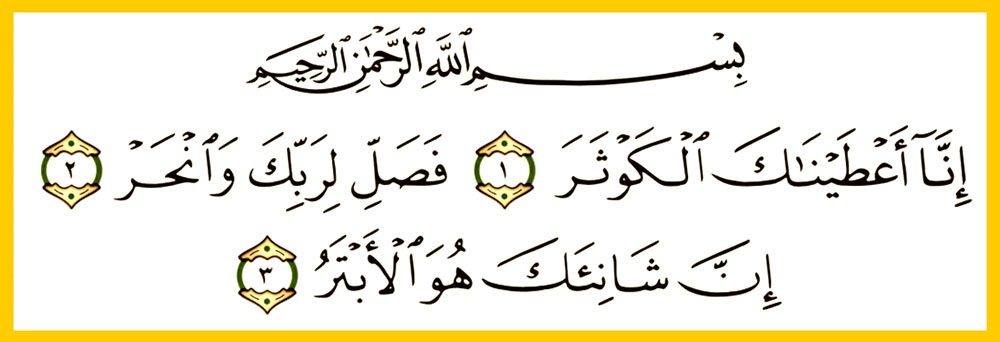
Arabic text of surah Al-Kawthar

Surah Al-Kawthar Benefits for UK Muslims

Though the shortest Surah in the Holy Quran, Surah Kausar holds much spiritual benefit. The benefits of Surah Kausar are not confined to mere recitation, providing a powerful reminder of Allah’s endless mercy and blessings. This Surah was revealed to Prophet Muhammad SAW during some testing times, reassuring us that there is ample reward and guidance from Allah Ta’ala. Reflecting on deeper meanings of Surah Kausar can inspire one to live a life of gratitude, faith, and trust in Allah’s will. The teachings of the quran emphasize these values, making Surah Kausar significant in our lives.

 Facts about surah


Surah Al-Kawthar is the shortest chapter in the Quran, with just three verses. Even though it is very short, it carries deep and important messages. It is the 108th chapter and is located in the last section (Juz) of the Quran.

The significance of Surah Al-Kawthar is also emphasized in the broader context of the Quran.

When Was Surah Al-Kawthar Revealed?

Surah Al-Kawthar was revealed before Prophet Muhammad (ﷺ) migrated to Medina. This means it was revealed during the early days of Islam when the Prophet faced strong opposition in Makkah. Most Islamic scholars, including Abdullah bin Abbas, Abdullah bin Az-Zubair, and Aishah (RA), agree that this surah is Makki, meaning it was revealed in Makkah. Other scholars like Kalbi and Muqatil also support this view, confirming that Surah Al-Kawthar was revealed in Makkah. The majority of commentators agree on this, further reinforcing its Makki status, highlighting the importance of the Quran in understanding these revelations.

Though concise, Surah Al-Kawthar’s message resonates deeply, encapsulating themes of divine mercy, blessings, and the promise of an abundant reward for the Prophet Muhammad

The context behind surah Al-Kawthar’s revelation

In the early days of Islam, Prophet Muhammad (ﷺ) and his followers faced strong resistance in Makkah. The non-believers made fun of the Prophet, and one of the most hurtful insults they used was the word “Abtar,” which means “cut off” or “without descendants.” This was because the Prophet’s sons had passed away at a young age, and his enemies used this to mock him, saying his legacy would end with him. During this tough time, Surah Al-Kawthar was revealed to bring comfort and hope. Allah sent this short but powerful surah to reassure the Prophet, reminding him that despite the mockery and difficulties, his mission was very important and would be greatly blessed.

Reasons behind revealing surah Al-Kawther

Surah Al-Kawthar was revealed at a period when the Prophet Muhammad ﷺ and his companions were facing a lot of ridicule, especially with regard to the death of his sons. The disbelievers mocked him by calling him “Abtar,” meaning “cut off.” In response, Allah revealed this surah for several reasons:

  • To Console the Prophet: The surah reassured the Prophet that his legacy would not be defined by the loss of his sons.
  • Promise of Abundance: Allah promised the Prophet an abundance of blessings, symbolized by “Al-Kawthar,” far greater than what his enemies mocked him for.
  • Encouragement of Patience: It reminded the Prophet and his followers to remain firm in their faith, emphasizing the lasting influence of his mission over mere descendants.

Benefit of surah Al-Kawther

Benefits of surah Kausar are countless, this surah powerful chapter in the Qur’an, offering a wide range of blessings and benefits for those who recite it sincerely. 

Some of the key benefits include:

  • Blessings and Rewards from Allah

Reading Surah Kausar brings abundant blessings from Allah. When you recite it with true faith, it brings peace, success, safety from harm, and blessings in this life and the next.  

  • Protection from Enemies and Evil

Reciting this surah with strong belief works like a shield, keeping away bad energy and the plans of those who want to hurt you. It reminds us that Allah (SWT) is our greatest protector, guarding us from any danger.  

  • Healing for Body and Mind

It also helps in healing both physical and mental illnesses, bringing comfort and relief. It is known to relieve both physical and mental ailments. During a state of stress or even pain, the recitation of Surah Al-Kawthar can bring comfort and calmness, reducing anxiety and soothing the emotions.

  • Strengthening of Faith

One of the powerful benefits of Surah Kausar is to strengthen one’s faith in Allah Subhana Wa Ta’ala. This surah reflects upon Allah’s great mercy and His generosity, reminding us of His endless blessings. It encourages patience during times of difficulty, reinforcing the importance of maintaining faith and trust in Allah.

What is surah Kausar about? Key topics & lessons 

Surah Al-Kawthar is a brief yet powerful surah, revealed to comfort Prophet Muhammad (SAW) during the grief of losing his son. It contains key themes and lessons:

  • Allah’s Great Gifts and Plenty: The surah highlights Allah’s endless spiritual gifts, represented by “Kawthar,” a river of endless rewards, promising the Prophet of Allah’s kindness.
  • Allah’s Steady Help: Surah Al-Kawthar comforts the Prophet, saying that even when facing insults and struggles, Allah’s support will never fail, and His Prophet will always be safe.
  • Thankfulness and Worship: The surah teaches that all blessings should inspire more worship and thankfulness to Allah, as shown in the instruction to “pray to your Lord and make sacrifices.”
  • Enduring Legacy: The Prophet’s true legacy is not in his descendants but in the lasting impact of his message, showing that his mission will continue to flourish.
  • Patience and Trust: It encourages patience in difficult times, reminding the Prophet and his followers to trust in Allah’s plan and wisdom.

Explanation of the surah

Benefits of surah Kausar

Surah Al-Kawthar is a powerful and comforting chapter that reassures Prophet Muhammad (SAW) during a time of personal loss.

  1. The surah begins by affirming that Allah has granted Prophet Muhammad (SAW) a great gift, symbolized by Al-Kawthar. This is often understood as a river in Paradise, a reward for the Prophet, and a source of immense goodness for his followers. It highlights Allah’s immense generosity and His special favor upon the Prophet.
  2. In the second Ayah, Allah orders the Prophet in this Ayah to be grateful and to ascribe the acts of worship, especially prayers and sacrifice, to Allah. These are considered the highest level of acts in Islam, whose intention in their performance should be none other than seeking closeness to Allah.
  3. Finally, the surah concludes with a message to the enemies of the Prophet. Allah consoles the Prophet by reminding him that those who oppose him and his message are truly “cut off,” meaning they will be deprived of all good in this world and the Hereafter. This serves as a reassurance to the Prophet that, despite the ridicule he faced, those who sought to harm him would ultimately be the ones who suffer.  

Integrating surah Al-Kawthar in daily life 

Benefits of surah Kausar are numerous. Additionally, the surah offers valuable lessons that can enhance our daily spiritual practices. Here’s how you can integrate its message into your routine:

  • Gratitude in Worship: Make a habit of thanking Allah for His blessings during every prayer, reflecting on both the seen and unseen gifts He has bestowed upon you.

  • Regular Recitation: Recite Surah Al-Kawthar daily, especially after prayers, to invite peace and blessings into your life while remembering Allah’s generosity.
  • Sincerity in Worship: Perform your acts of worship with sincerity, ensuring they are solely for Allah’s pleasure. This can be reflected in your actions, intentions, and interactions.
  • Patience in Adversity: In times of difficulty, remember that those who oppose you will ultimately be cut off from Allah’s mercy. Stay patient and trust in Allah’s greater plan.
  • Seeking Allah’s Mercy: Turn to Allah regularly in supplication, seeking His forgiveness and mercy, knowing that He is always ready to answer those who sincerely call upon Him.

Noor Institute: bringing light to Islamic education

Dedicated to empowering faith, Noor Institute is illuminating the path of Islamic knowledge. It offers a unique educational experience that combines traditional Islamic teachings with modern approaches. The institute is committed to helping students grow both mentally and spiritually, creating a space where they can better understand Islam and live by its principles. Noor Institute provides various courses to empower learners, giving them the knowledge to face life with confidence, wisdom, and a strong bond to their faith. By striving for excellence, Noor Institute is paving the way for a more knowledgeable and enlightened Islamic community.

Conclusion 

Surah Kausar is one of the most meaningful surahs in the Quran, filled with deep wisdom and blessings. To truly understand its message and gain its benefits, it’s not enough to just read it; we need to apply its lessons in our everyday lives. If you’re looking to explore the deeper meanings and unlock the full benefits of Surah Kausar, as well as other Quranic teachings, Noor Institute is the ultimate destination. With its focus on teaching Islam in a complete way, Noor Institute helps individuals and families live according to the Quran’s guidance, strengthening their faith and spiritual connection.

Frequently asked questions

  • What does Kausar mean in surah Kausar?

Kausar refers to an abundance of blessings. It is commonly understood as a river in Paradise, symbolizing Allah’s immense generosity and the spiritual rewards promised to the Prophet Muhammad (SAW) and his followers.

  • What is the best time to read surah Kausar?

The best time to read it is after the required prayers (Salah), particularly after Fajr and Maghrib. You can also read it anytime to ask for blessings and peace.  

  • How many times should we read Surah Kausar?  

There is no fixed number, but many people read it three times after each prayer as a common habit.

Benefits of Surah Nasr

Benefits of Surah Nasr: Enhance Your Daily Spiritual Routine

We all recognize the Qur’an as a sacred text, with each verse carrying immense power. However, many of us may not have fully realized the true benefits each surah holds, extending far beyond the rewards of mere recitation. In this blog, we will explore the benefits of Surah Nasr, delving into its deeper meanings and how it can positively impact our lives. By understanding its spiritual significance, we can unlock the transformative power of this surah and apply its lessons to our daily journey of faith.

Surah Al-Nasr Overview

Surah Al-Nasr, the 110th chapter of the Qur’an, carries deep historical and spiritual importance. It was revealed during the final years of Prophet Muhammad’s (PBUH) life and is a Medani surah with three verses. The name “Al-Nasr” means “Victory,” pointing to the help and support Allah gives to the believers. This surah was revealed at a time when Islam was achieving great success.

The surah brings a strong message of hope and victory to the believers, reminding them that success comes only from Allah and that He helps them overcome difficulties. It reassures Muslims that after enduring hardships, victory will come, which strengthens their faith and trust in Allah. Additionally, the surah highlights the need to stay humble after achieving success. It teaches believers to be thankful, reflect on Allah’s blessings, and continue doing good deeds and giving to others.

This surah is often called “Surah Al-Fath” (the Opening or Victory) and “Surah Al-Tawdee” (the Farewell). Many scholars believe it was the last message revealed to Prophet Muhammad (PBUH). It represents a key moment in Islamic history when Islam became strong, and many people accepted the faith after years of hardship.

Why Was Surah Nasr Revealed?

Surah Al-Nasr was revealed during Prophet Muhammad’s (PBUH) Farewell Pilgrimage, showing that his mission was complete. It symbolized the success and growth of Islam, as the whole Arabian Peninsula accepted the faith. The Surah was a good tiding for Muslims, foretelling their success and growth in numbers, especially following the opening of Makkah in the 8th year after Hijra. After years of hardship, the Muslims were now returning to Makkah in peace, spreading Islam freely.

There are various opinions about when this Surah was revealed. Some say it was after the Farewell Hajj, others believe it was after the Battle of Hunayn, and some think it was after the breaking of the Treaty of Hudaybiyyah, which happened before the conquest of Mecca. No matter the exact timing or the events surrounding it, this Surah represents the fulfillment of Allah’s promise to the believers.

Key Topics and Messages of Surah Nasr

Surah Al-Nasr, though brief with only three verses, conveys profound lessons for believers. Its primary theme is divine support and victory, reminding Muslims that all success comes from Allah. 

Key messages of the Surah include:

  • Divine Support and Victory: Surah Al-Nasr highlights that true success is granted by Allah. It reassures Muslims that when they trust in Allah’s guidance and persevere, victory will follow. This was especially evident with the peaceful conquest of Mecca and the spread of Islam.

  • Unity within the Muslim Community: The Surah also emphasizes the importance of unity among believers. It teaches that together, Muslims can overcome challenges.

  • Gratitude: After reaching success, the Surah encourages believers to thank Allah. Recognizing His blessings brings peace and helps believers stay positive, even when they win.

  • Humility and Repentance: Success shouldn’t make people arrogant. The Surah reminds Muslims to stay humble and ask for forgiveness, understanding that their victories come from Allah’s kindness and help.

  • Encouragement in Difficult Times: Surah Al-Nasr boosts the faith of believers, inspiring them to keep going during tough times.

Powerful Benefits of Surah Nasr

Some benefits of surah nasr include:

  • Increased Faith and Trust in Allah: This Surah strengthens our belief in Allah and reminds us that all success and power come from Him alone. It teaches believers to fully depend on Allah in every situation.

  • Protection from Hellfire: Regularly reciting Surah Al-Nasr acts as a shield, protecting the reciter from Hellfire. It ensures safety on the Day of Judgment and helps guide them toward Paradise.

  • Forgiveness and Repentance: Surah Al-Nasr emphasizes that Allah accepts repentance. For example, after the conquest of Mecca, many people turned to Islam. It encourages believers to sincerely seek forgiveness, knowing that Allah will accept their repentance.

  • Great Rewards: Reciting Surah Al-Nasr often brings immense blessings. It is said that the reciter will be rewarded as if they were with the Prophet Muhammad (PBUH) during the conquest of Mecca.

Explanation of the Surah Verses

  • Verse 1: points out the victory given by Allah, the conquest of Mecca, which symbolizes the victory of Right over Wrong and the diffusion of Islam.

  • Verse 2: This verse talks about how quickly people started accepting Islam. After Mecca was conquered, many people began joining the religion in large numbers. This shows the lasting effect of this victory.

  • Verse 3: This verse instructs Prophet Muhammad to praise Allah and ask for His forgiveness. It is a reminder to stay humble and grateful for the success, as all success comes from Allah’s mercy and guidance.

Important Lessons from Surah Al-Nasr

  1. Victory Follows Struggle: Surah Al-Nasr teaches that victory comes after hardship. Early Muslims endured many trials before achieving success, showing that perseverance through struggles leads to ultimate triumph.

  2. Victory Begins with Self-Overcoming: True success starts with overcoming personal desires and selfishness. Sacrificing for the sake of Allah and following the example of Prophet Muhammad (PBUH) are key to achieving victory.

  3. Responding to Victory with Humility: Believers must remain humble after success, recognizing that all achievements are from Allah’s divine will.

  4. Glorifying Allah and Seeking Forgiveness: After victory, Surah Al-Nasr teaches us to glorify Allah and seek forgiveness, as Prophet Muhammad (PBUH) did. This fosters gratitude and humility.

Noor Institute’s Online Islamic Courses

Noor Institute provides a variety of online Islamic courses that are easy to access and offer complete education for those who want to learn more about Islam. These courses include subjects like studying the Qur’an, Islamic history, and Fiqh (Islamic laws), allowing students to learn at their own speed. With experienced teachers and flexible learning choices, Noor Institute aims to give students both knowledge and practical ways to use Islamic teachings in their everyday lives.

Conclusion

In conclusion, the benefits of Surah Nasr are countless, providing spiritual guidance, strength, and a reminder of Allah’s endless help. By reflecting on its meaningful message, you can include it in your daily life, helping you feel more peaceful, humble, and thankful. 

If you want to learn more about the Qur’an and Hadith, Noor Institute’s Quran online classes are a great way to understand the teachings of Islam better. With their expert teachers, you can grow your faith and feel closer to Islam.

Enroll today at Noor Institute and begin your spiritual growth journey. Book your free trial now!

benefits of surah kafirun

Spiritual Protection: The Powerful Benefits of Surah Kafirun

Surah Al-Kafirun is a short yet powerful chapter in the Quran that offers numerous spiritual benefits when recited at various times.It is famously known for its clear refusal to accept polytheism and affirmation of the oneness of Allah; thus, it gives a sense of spiritual protection, inner tranquility, and strength in a believer. The benefits of Surah Kafirun go far beyond the rewards of recitation to helping Muslims stand firm by their faith, respect the faith of others, and stand firm in devotion to Allah. By incorporating this Surah into daily life, individuals can experience its transformative power and draw closer to their Creator.

Introducing Surah Kafirun

Surah Al-Kafirun was revealed in Mecca and is the 109th chapter of the Qur’an. It has six verses and talks about strongly rejecting worshiping other gods and making it clear that belief in Allah is separate from disbelief. This surah was revealed to Prophet Muhammad (PBUH) when people who didn’t believe in Allah were trying to make him change his beliefs. It teaches the value of staying strong in faith without compromising. Surah Al-Kafirun is linked to the idea of “Ikhlas,” which means having pure intentions, and it shows how important it is to be honest in what we do and say. Reading this surah often brings great benefits, as it is believed to be equal to a quarter of the Qur’an in value.

What is the Main Idea of Surah Al-Kafirun?

The main message of Surah Al-Kafirun is to strongly reject disbelief and clearly state that Allah is the one and only God. It shows that there can be no mixing between believing in Islam and worshiping other gods. This surah teaches that the Prophet Muhammad (PBUH) and his followers must firmly oppose idol worship and false gods, and only believe in Allah. It reminds us that trusting in Allah is the right way, while not believing in Him leads to bad outcomes and suffering.

Key Themes of the Surah

  • Rejection of Polytheism: The surah firmly rejects polytheism and idolatry, emphasizing that worship should be for Allah alone.

  • Firmness in Faith: It teaches the way one should stand firm in belief and faith, and one should not compromise on the oneness of Allah.

  • Separating Belief and Disbelief: Surah Al-Kafirun draws a line between belief and disbelief.

  • Purity of Intentions (Ikhlas): The surah emphasizes the purity of actions for the sake of Allah, paralleling Surah Al-Ikhlas which focuses on the purity of speech.

  • Encouraging Strength: It tells believers to stay strong and not give up in their faith, even when others try to pressure them.

The Main Reason for Revealing Surah Kafirun

The revelation of Surah Al-Kafirun occurred when the delegation of the Quraysh disbelievers tried to offer a compromise in faith with Prophet Muhammad (PBUH). They told him that they would make him their king, marrying him to the most beautiful women, and allow him to worship Allah for a whole year in return he has to worship their idols next year. This proposal was an attempt to blend the Islamic faith with their own polytheistic practices.

In response,  Allah sent down Surah Al-Kafirun to show the Prophet (PBUH) and all Muslims how to strongly refuse any attempt to mix their beliefs. This surah clearly says that it’s not possible to combine belief in Allah with disbelief, stressing the total difference between Islam and worshiping other gods. It was revealed to stop any talks that might weaken the belief in Allah’s oneness.

Explaining Surah Kafirun

benefits of surah kafirun

Surah Al-Kafirun is a powerful statement about the difference between believing in Allah and not believing in Him. It shows that faith in Allah should never be mixed with other beliefs. Each part of this surah has a special message, and repeating some words helps to strengthen the surah’s key themes. 

  • Verse 1:  (Say): This is an order from Allah for Prophet Muhammad (PBUH) to speak to people who don’t believe in Islam. These people include polytheists, Jews, Christians, and others who don’t follow Islam.

  • Verse 2: (I do not worship what you worship): The Prophet (PBUH) declares his rejection of idolatry, emphasizing that he does not worship the false gods of the disbelievers.

  • Verse 3:  (And you do not worship what I worship): This verse makes it very clear that Prophet Muhammad (PBUH) and the non-believers have different beliefs

  • Verse 4: (And I will not worship what you worship): The Prophet (PBUH) further emphasizes that there will be no future compromise in worship, rejecting the disbelievers’ offers.

  • Verse 5: and you don’t worship what I worship. Repeated for emphasis on the impossibility of any of their false offers being accepted and to emphasize the distinction between Islam and polytheism.

  • Verse 6: (For you is your religion, and for me is my religion): This verse makes a clear declaration of innocence from the disbelievers’ practices, affirming that there is no mixing of truth (Islam) and falsehood (disbelief).

Benefits of Surah Kafirun

Here are just a few of the many powerful benefits of Surah Kafirun:

  • Reading Surah Al-Kafirun before bed is thought to help protect against shirk . The Prophet Muhammad (PBUH) would recite this surah during Fajr and Maghrib prayers, highlighting its significance in safeguarding one’s faith.

  • It is said that reciting Surah Al-Kafirun is equivalent to reading one-quarter of the entire Quran in terms of reward.

  • Surah Al-Kafirun is among the surahs recommended for travelers, offering protection and safety during their journey.
  • One of the major benefits of reciting Surah Al-Kafirun is the promise of safety from Hellfire. Reciting it can bring forgiveness for sins and freedom from the punishment of the afterlife.

  • The surah reinforces the belief in the oneness of Allah (Tawheed) and the rejection of all forms of polytheism, reminding believers to remain steadfast in their faith.

  • Surah Al-Kafirun teaches believers to engage with disbelievers respectfully, emphasizing the importance of conveying the message of Islam with patience, wisdom, and kindness, even when facing rejection.

Important Lessons from Surah Kafirun

  • Respect for All Beliefs: The saying “For you is your religion, and for me is my religion” shows that everyone has the right to choose their own beliefs, but they must also accept the results of their choices.

  • Staying Strong in Belief: This surah tells Muslims to stay firm in their faith and not give in, even when it’s hard.

  • Dedication to Islam: Real Muslims should follow Islam with all their heart and soul, and not accept anything that goes against their beliefs.

  • Pride in Belief: Muslims should proudly declare their faith and distinguish between truth and falsehood without shame.

  • Never Compromise on Faith: Surah Al-Kafirun warns against renouncing even a part of one’s faith for worldly gains.

  • Integrity of Prophet Muhammad: The surah declares the integrity of the Prophet. He had rejected offers of power, wealth, and prestige and remained steadfast in his mission for the sake of Allah.

Noor Institute: The Ultimate Guide to Understanding Islam

Noor Institute offers a comprehensive resource for those looking to explore the depths of Islamic teachings. With a focus on clear and accessible knowledge, Noor Institute’s expert tutors help learners understand the core principles of Islam, its practices, and its spiritual significance. Whether you’re new to Islam or looking to deepen your existing knowledge, Noor Institute provides valuable insights into the Quran, Hadith, and the timeless wisdom of Islamic teachings. Through engaging lessons and detailed explanations, it is designed to equip you with the tools needed to strengthen your faith and live a life guided by Islamic principles.

If you want to learn more about the benefits of Surah Kafirun and explore deeper Islamic topics, Noor Institute provides an invaluable opportunity to do so with their comprehensive Quran online classes and Islamic courses. 

Sign up for your free trial now and begin your learning journey toward gaining a deeper understanding of Islam!

Frequently Asked Questions

  • When to recite surah kafirun?

It is permissible to recite Surah Al-Kafirun at any time. However, it is more highly recommended during obligatory daily prayers and before sleeping. Its recitation in the Sunnah prayers, such as Fajr and Maghrib, saves from shirk and strengthens faith.

  • How to apply Surah Kafirun in daily life?

Surah Al-Kafirun teaches us to stay strong in our beliefs, respect different faiths, and not give up our values. It encourages living together peacefully and helps us feel calm inside while staying dedicated to the idea that Allah is one, every day.

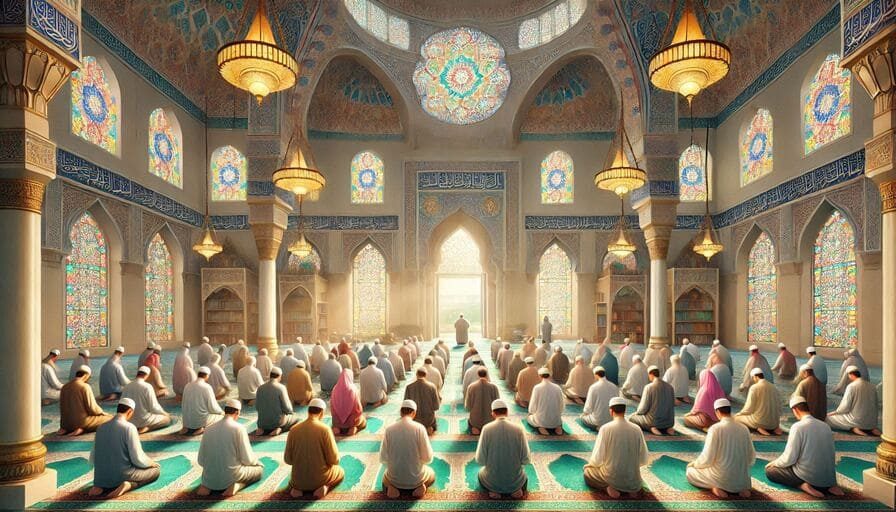
Sunnah Prayers in Islam

Sunnah Prayers in Islam: Steps for Spiritual Growth

Sunnah Prayers in Islam stand as a gateway to profound spiritual rewards and a closer bond with Allah (SWT). These voluntary prayers, performed alongside obligatory ones, were a consistent practice of Prophet Muhammad (PBUH). But why are they so significant? How can you integrate them into your life to experience spiritual growth? Join us as we unravel the meaning, benefits, and practical steps to embrace Sunnah prayers, including a helpful Sunnah prayer chart, to elevate your worship and follow the prophetic way of devotion.

What Are Sunnah Prayers in Islam?

Sunnah prayers, or Nawafil prayers, are voluntary acts of worship that supplement the five daily obligatory prayers. Although not mandatory, they carry great spiritual value.

The term “Sunnah” refers to the actions of the Prophet Muhammad (PBUH), including his regular prayer practices. There are two types: Sunnah Mu’akkadah (emphasized) and Sunnah Ghair Mu’akkadah (non-emphasized). Sunnah Mu’akkadah prayers were regularly performed by the Prophet and are highly encouraged, while Sunnah Ghair Mu’akkadah were occasional and carry less emphasis.

Sunnah prayers help Muslims follow the Prophet’s example, strengthen their faith, and purify their soul. They also promote mindfulness, discipline, and spiritual growth.

Types of Sunnah Prayers

Sunnah Mu’akkadah

Sunnah Mu’akkadah refers to those prayers that the Prophet performed consistently and emphasized their importance. Although not obligatory, neglecting these prayers without valid reason is generally discouraged, reflecting their elevated status in Islamic practice. Examples include the two rak’ahs before Fajr and the four rak’ahs before Dhuhr. These prayers are considered highly meritorious, and regular observance is seen as a sign of strong faith and devotion.

The significance of Sunnah Mu’akkadah lies in their ability to reinforce the obligatory prayers, serving as a means of perfecting one’s worship. Performing these prayers regularly helps to fill any gaps or deficiencies that may occur in the obligatory prayers, thereby enhancing their overall quality and acceptance. Additionally, Sunnah Mu’akkadah prayers provide an opportunity for believers to immerse themselves in a state of mindfulness and gratitude, fostering a deeper connection with Allah.

Sunnah Ghair Mu’akkadah

Sunnah Ghair Mu’akkadah are those prayers that the Prophet performed occasionally and did not emphasize as strongly. While performing these prayers is commendable and brings reward, the emphasis is less pronounced compared to Sunnah Mu’akkadah. Examples of these prayers include the two rak’ahs before Asr. These prayers are seen as a means of earning additional reward and demonstrating a higher level of devotion.

While the emphasis on Sunnah Ghair Mu’akkadah is less, their performance is still encouraged as a way to gain further spiritual benefits and reward. Engaging in these prayers allows Muslims to voluntarily increase their acts of worship, thereby drawing closer to Allah and seeking His pleasure. By occasionally performing these prayers, believers can experience a sense of spiritual renewal and refreshment, which can positively impact their overall religious practice.

Examples of Daily Sunnah Prayers

Examples of daily Sunnah prayers include those that accompany each of the five obligatory prayers. To further understand their significance, let’s explore specific Sunnah prayers that hold special importance in Islamic practice. Each of these prayers offers unique spiritual benefits and helps believers draw closer to Allah.

The Sunnah of Fajr

  • The two rak’ahs before the obligatory Fajr prayer are highly significant Sunnah prayers.
  • The Prophet Muhammad (PBUH) emphasized their importance, saying they are better than the world and everything in it.
  • These prayers offer great spiritual rewards and mark a powerful start to the day.
  • Performing the Sunnah of Fajr sets a positive tone for the day, promoting spiritual alignment and mindfulness.
  • They provide an opportunity to connect with Allah before the daily hustle begins, bringing peace and tranquility.
  • Regular practice of these prayers enhances one’s spiritual journey and brings fulfillment and contentment.

The Sunnah of Dhuhr

  • Perform four rak’ahs before and two rak’ahs after the obligatory Dhuhr prayer, following the Prophet’s tradition.
  • These prayers are highly recommended and reflect the Prophet’s regular worship routine.
  • They serve as a spiritual pause during a busy day, providing an opportunity to reconnect with Allah.
  • The Sunnah of Dhuhr offers a moment of reflection and renewal, helping to recharge spiritual energy.
  • Engaging in these prayers promotes balance and harmony, enhancing focus and purpose for daily tasks.
  • This practice not only improves spiritual well-being but also contributes to overall productivity.

The Sunnah of Maghrib

  • The Sunnah prayers for Maghrib include two rak’ahs after the obligatory prayer.
  • This practice is a Sunnah Mu’akkadah, emphasizing its importance in daily worship.
  • It offers a moment of gratitude and reflection as the day ends, allowing thanks to Allah for the day’s blessings.
  • The Sunnah of Maghrib serves as a spiritual closure to the day, fostering introspection and evaluation.
  • Believers can reflect on their actions, seek forgiveness, and identify areas for improvement.
  • This practice encourages accountability, humility, and a deeper connection with Allah, promoting spiritual growth.

The Sunnah of Isha

  • After the obligatory Isha prayer, two rak’ahs of Sunnah Mu’akkadah are recommended.
  • The Witr prayer, performed after Isha, is strongly encouraged and serves as a spiritual closure to the day’s prayers.
  • These prayers offer a sense of completion and fulfillment, allowing believers to end their day peacefully.
  • The Sunnah of Isha provides an opportunity to reflect on the day’s blessings and express gratitude.
  • Engaging in these prayers promotes serenity, contentment, and spiritual fulfillment before rest.
  • This practice enhances spiritual well-being, contributing to a restful night and a refreshed start to the next day.

Prophetic Prayers

Prophetic prayers, or Sunnah prayers, are practices based on the actions of the Prophet Muhammad (PBUH), performed to express devotion and obedience to Allah. These prayers are spiritually valuable, offering a direct way to emulate the Prophet’s actions, deepen spiritual connection, and earn Allah’s favor.

Sunnah Prayers in Islam complement obligatory prayers and provide additional moments of worship. They offer a chance for personal reflection and growth. Regularly practicing these prayers helps Muslims live a devoted and reflective life, inspired by the Prophet’s example.

The Sunnah of the Prophet Muhammad

The Sunnah of the Prophet Muhammad (PBUH) is a comprehensive way of life, not just a set of practices. Performing these prayers connects Muslims to the Prophet’s method of worship, showing his deep devotion and love for Allah. By following his example, Muslims aim to attain spiritual fulfillment and discipline in their worship.

Historical Context and Significance

Sunnah prayers have deep historical significance, originating during the time of the Prophet Muhammad (PBUH). They served as a unifying practice, promoting patience, humility, and devotion. Over time, they became central to Muslim daily life, linking believers to the Prophet’s teachings. Today, these prayers continue to remind Muslims of their spiritual heritage and deepen their connection to the past.

Sunnah Prayer Chart

Sunnah Prayers in Islam


The Sunnah prayer chart helps Muslims organize their prayer routines by visualizing the prescribed number of Rak’ahs (units) for each prayer. It ensures believers can efficiently track and incorporate all Sunnah prayers into their daily schedules, supporting spiritual growth.

This chart includes both Sunnah Mu’akkadah (emphasized) and Sunnah Ghair Mu’akkadah (non-emphasized) prayers at various times of the day. By using it, Muslims can maintain a consistent worship routine, balancing their spiritual and daily responsibilities.

The chart also promotes mindfulness and intentionality, encouraging Muslims to follow the Prophet’s example with devotion and consistency. It serves as a helpful tool for new converts or children, making Sunnah prayers easier to learn and practice.

How to Incorporate Sunnah Prayers into Daily Life

Incorporating Sunnah prayers into your daily routine can boost your spirituality. Start with the two Rak’ahs before Fajr, then gradually add more as you build consistency. Set reminders and link prayers to daily tasks to make them part of your routine. Learn about different Sunnah prayers, create a prayer chart, and schedule them at the same time each day. Involve your family, keep clean with regular ablution (Wudu), and focus on your intention (Niyyah) to strengthen your connection with Allah. Overcome challenges like time constraints by finding small gaps for prayer and staying flexible. Create a quiet space to minimize distractions and adapt prayers when traveling.

Final Thoughts

Sunnah Prayers in Islam are a powerful tool for spiritual growth and connection with Allah (SWT). By embracing these practices, you follow the Prophet Muhammad’s (PBUH) example and invite numerous blessings into your life. These prayers offer moments of peace amidst daily activities, helping to cultivate mindfulness and discipline. With consistency, they can transform your spiritual practice, making it more meaningful and rewarding. Despite challenges, persistence and sincerity in performing Sunnah prayers lead to lasting spiritual fulfillment. Start small, stay committed, and let these prayers guide you toward a more enriched, fulfilling life in Islam.

Start Your Spiritual Journey with Noor Institute

If you’re eager to enhance your faith and understanding of Islam, Noor Institute offers a wide range of online Islamic courses. Whether you’re a beginner or an advanced student, our courses, led by qualified instructors, will guide you through the rich teachings of Islam. Join us today and take the first step toward a more fulfilling spiritual journey, with the flexibility to learn at your own pace.

Do Muslims Celebrate Christmas? A Clear Islamic View (2025 Guide)

Do Muslims Celebrate Christmas? A Clear Islamic View (2025 Guide)

Do Muslims celebrate Christmas? This question sparks curiosity and opens the door to understanding faith, culture, and tradition.

In this article, we’ll uncover the Islamic perspective on Christmas, explore the profound differences in beliefs, and shed light on the vibrant celebrations of Eid that shape Muslim identity. Let’s bridge the gap with knowledge and respect.

Why Do People Ask: Do Muslims Celebrate Christmas?

The question of whether Muslims celebrate Christmas arises frequently in multicultural societies. People often wonder about the practices of those from different faiths. The query reflects both curiosity and a desire to understand the varied ways in which people observe holidays. Muslims, like many others, encounter these queries, especially in countries where Christmas is a major cultural event. 

The diverse environment prompts discussions about festive traditions and religious customs. Understanding why Muslims do not partake in Christmas can help bridge cultural gaps and foster mutual respect.

Why Understanding Muslim Beliefs About Christmas Matters

Religious practices define how individuals and communities celebrate meaningful events.

For Muslims, adhering to religious guidelines is essential to their faith.

Understanding these practices prevents misconceptions and promotes harmony.

Learning about diverse beliefs enhances cultural awareness and mutual respect.

Non-Muslims gain insight into the profound significance of Islamic traditions.

Awareness fosters respectful dialogue between different faiths.

Embracing religious understanding builds inclusive, harmonious communities.

What Christmas Means: Origins, Traditions, and Global Culture

Origins and Traditions

Christmas is one of the most celebrated holidays worldwide. It marks the birth of Jesus Christ, a central figure in Christianity. The roots of Christmas lie in ancient traditions, including the winter solstice celebrations. Early Christians designated December 25th as Christ’s birth date, aligning it with existing pagan festivals.

Over time, Christmas adopted various customs from different cultures. Gift-giving became a key part of the holiday, inspired by the biblical account of the Magi bringing gifts to baby Jesus. Traditions such as decorating Christmas trees and hanging stockings emerged over centuries. These practices added a festive atmosphere to the celebration.

Today, Christmas encompasses both religious and secular elements. For many, it’s a time for family gatherings and sharing joy. The holiday season often features festive music, special meals, and acts of charity. Despite its Christian origins, Christmas has become a cultural phenomenon embraced in many non-Christian settings, blending diverse traditions.

Christmas in Different Cultures

The global reach of Christmas means it is celebrated with distinct variations across cultures. In Western countries like the United States and the United Kingdom, Christmas involves elaborate decorations, family feasts, and exchanging gifts. The commercial aspect has grown over the years, with significant emphasis on shopping and holiday sales.

In Latin America, Christmas customs include vibrant festivities with unique traditions. Countries like Mexico observe events such as Las Posadas, a reenactment of Mary and Joseph’s search for shelter. In the Philippines, the celebration is one of the longest, starting as early as September and featuring parols (star-shaped lanterns) and the Misa de Gallo, a series of dawn masses.

In other parts of the world, local customs influence how Christmas is celebrated. In Ethiopia, January 7th marks Ganna, the Ethiopian Orthodox Christmas, focusing on religious ceremonies. Japan, where Christmas is more secular, has popular traditions involving Christmas cakes and KFC meals. Each culture brings its flavor to the holiday, demonstrating the adaptability and widespread appeal of Christmas traditions.

Islamic Perspective on Christmas

Islam is centered on the belief in one God (Tawhid). Unlike Christianity, which sees Jesus as the Son of God, Islam views Jesus (Isa) as a prophet, not divine. The Quran honors Jesus and Mary, but does not celebrate prophets’ birthdays. Muslims focus on religious observances that align with their monotheistic beliefs, which is why they don’t celebrate Christmas.

Islamic Holidays vs. Christmas

Islamic holidays, like Eid al-Fitr and Eid al-Adha, differ from Christmas in timing and meaning. The Islamic calendar is lunar, causing holidays to shift each year. Eid al-Fitr marks the end of Ramadan, focusing on gratitude and community. Eid al-Adha commemorates Prophet Ibrahim’s sacrifice, emphasizing devotion and charity.

While both Christmas and Islamic holidays involve family gatherings and giving, Islamic holidays are deeply rooted in religious traditions and historical events, distinguishing them from Christmas’s cultural celebrations.

Why Muslims Do Not Celebrate Christmas: Theological Reasons?

Theological Differences

– Muslims do not celebrate Christmas due to key theological differences between Islam and Christianity.

– Christmas marks the birth of Jesus Christ, but Islam does not view Jesus as the Son of God.

– In Islam, Jesus is honored as a prophet and messenger, but only God (Allah) is worshipped.

– Islam emphasizes Tawhid, the belief in the oneness of God, rejecting the deification of prophets, including Jesus.

– Celebrating birthdays, even those of prophets, is not part of Islamic tradition.

– Instead, Muslims focus on religious observances tied to their heritage and teachings.

– These distinctions explain why Muslims have their own unique celebrations.

Respect for Other Faiths

Muslims do not celebrate Christmas but are taught to respect other religious traditions. Islamic teachings emphasize understanding and coexistence, as highlighted in the Quran.

Muslims honor others’ beliefs while staying true to their own. In multicultural settings, they may participate in non-religious aspects of Christmas, like sharing meals or sending greetings, as a sign of goodwill.

This respect fosters harmony, allowing Muslims to engage in cultural exchange and celebrate the season without compromising their faith. It strengthens relationships and promotes peaceful coexistence.

What Do Muslims Celebrate Instead of Christmas?

Eid al-Fitr

Eid al-Fitr marks the end of Ramadan, a month of fasting, prayer, and reflection. It is a time for celebration, gratitude, and community.

The holiday begins with a special prayer at mosques, followed by visits to family and friends, exchanging greetings and gifts. Festive meals are shared, fostering togetherness.

Charity is central to Eid al-Fitr, with Muslims giving Zakat al-Fitr to ensure everyone can celebrate. This reflects values of empathy and generosity, reinforcing family bonds and community welfare.

Eid al-Adha

Eid al-Adha, the “Festival of Sacrifice,” honors Prophet Ibrahim’s devotion to God. It coincides with Hajj, the annual pilgrimage to Mecca.

The holiday begins with a prayer, emphasizing sacrifice and devotion. Muslims commemorate Ibrahim’s trial by sacrificing an animal and sharing the meat with family, friends, and the less fortunate.

Eid al-Adha encourages reflection on personal sacrifices, strengthening faith and social ties through communal meals. It embodies principles of resilience, faith, and humanitarianism.

How Do Muslims Observe Their Holidays?

Prayer and Fasting

Prayer and fasting are essential to Islamic holidays. During Ramadan, Muslims fast from dawn to sunset, fostering self-discipline, gratitude, and empathy for the less fortunate. Special nightly prayers, called Tarawih, bring communities together in worship.

Ramadan ends with Eid al-Fitr, marked by communal prayers that symbolize gratitude and renewal. Similarly, Eid al-Adha begins with a congregational prayer, reinforcing devotion and unity. These practices deepen Muslims’ connection to their faith and God.

Community and Charity

Community and charity are at the heart of Muslim holidays. During Ramadan, acts of kindness and almsgiving (Zakat) ensure everyone can celebrate Eid al-Fitr. Iftar meals bring families, friends, and guests together, strengthening social bonds.

Eid al-Adha highlights generosity, with meat from sacrifices shared with the less fortunate. These actions reflect compassion, social responsibility, and the core values of Islam.

Conclusion

The question “Do Muslims celebrate Christmas?” highlights key cultural and religious differences. While Muslims honor Jesus as a prophet, they do not celebrate Christmas. Instead, they observe Eid al-Fitr and Eid al-Adha, holidays centered on charity, family, and community. Promoting interfaith dialogue and cultural understanding is essential for fostering mutual respect and peaceful coexistence. Embracing religious differences enriches societies and promotes unity. By encouraging inclusivity and understanding, we reduce prejudice and create a more empathetic, accepting world.

Learn More About Islam with Noor Institute

Interested in learning more about Islamic teachings? Join Noor Institute’s Online Islamic Courses and deepen your understanding of Islam from anywhere, at any time.

Start your journey with Noor Institute today!

Find nearby Islamic centers in the UK & USA and Canada:

benefits of surah al qadr

Powerful benefits of surah Al Qadr

The Quran is a timeless source of wisdom, with every verse providing deep insights and helpful advice. One of its special chapters is Surah Al-Qadr, a chapter that holds unparalleled significance and blessings.To truly experience the transformative power and the numerous  benefits of surah al-qadr, it’s vital to deeply comprehend their messages. By taking the time to learn about the Quran, we can discover how it helps us, makes us feel better, and improves our lives.

Introduction to surah Al-Qadr

Surah Al-Qadr is the 97th chapter of the Holy Quran, comprising five verses with deep importance. This surah speaks about the revelation of the Quran during Laylat al-Qadr, or the Night of Decree, occurring in the last ten nights of Ramadan. This particular night is considered the most sacred and holiest of nights in the Islamic calendar and holds a great reward spiritually. The Surah reminds the believers of the blessings of Laylat al-Qadr and encourages them to seek forgiveness, engage in worship, and reflect upon Allah’s mercy and grace.

The historical context of surah Al-Qadr

The historical context of Surah Al-Qadr is deeply tied to the revelation of the Quran during the sacred month of Ramadan. This month witnessed, for the first time, the revelation of the Quran to the Prophet Muhammad, peace be upon him, considered one of the most crucial events in the history of Islam. Surah Al-Qadr focuses on the night of Laylat al-Qadr, where, in the month of Ramadan, the Quran was sent down from the Preserved Tablet to the lowest heaven. That is before it was sent down piece by piece to the Prophet Muhammad over the period of the next 23 years. This Surah emphasizes the special nature of this night, the blessings associated with it, and the mercy that was showered upon humanity because of the Quran.

Reasons of revelation 

Surah Al-Qadr was revealed during the time when the Prophet Muhammad (peace be upon him) was in Mecca, before he moved to Medina. While we don’t know the exact date, it is known as a Meccan surah. There are different stories about when and why it was revealed. One story says that Aisha (may Allah be pleased with her) told us the Prophet (peace be upon him) explained that Laylat al-Qadr happens in the last ten nights of Ramadan. Soon after, Surah Al-Qadr was revealed to show how important that night is. Another story says that Abdullah ibn Abbas (may Allah be pleased with him) believed the surah was revealed to give hope to the Muslims in Mecca who were being treated badly, reminding them of the rewards from Allah. There is also a story from Jabir ibn Abdullah (may Allah be pleased with him) that connects the surah’s revelation to the Farewell Hajj, showing how the Muslim community would succeed in the future.

Despite differing details, all narrations underscore the immense virtue of Laylat al-Qadr and its call for increased worship during this blessed night.

The Endless benefits of Surah Al-Qadr

The benefits of surah al qadr include:

  • Spiritual Elevation: Reciting Surah Al-Qadr brings believers closer to Allah, enhancing their spirituality and deepening their connection with the divine.

  • Forgiving Sins: People believe that reading this Surah, especially on Laylat al-Qadr, can help erase past mistakes, giving a chance to say sorry and receive Allah’s kindness.

  • Guidance and Wisdom: The verses of Surah Al-Qadr offer profound wisdom and guidance, helping believers understand the divine decree and providing clarity in life.

  • Protection from Evil: The Surah acts as a shield, protecting believers from harm and evil, and instilling a sense of peace and security in their hearts.

  • Healing Properties: It is believed to have both physical and spiritual healing effects, bringing comfort and tranquility to those who recite it.

  • Strengthening of Faith: Regular recitation reinforces faith and trust in Allah, serving as a reminder of His power and mercy, and fostering perseverance through challenges.

  • Community Unity: The recitation fosters unity among Muslims, particularly during Ramadan, strengthening the bonds of brotherhood and sisterhood as they seek blessings together.

  • Manifestation of Mercy: Surah Al-Qadr highlights Allah’s infinite mercy, motivating believers to earnestly seek His favor and blessings in this life and the hereafter.

Highlights of Surah Al-Qadr

  • Revelation: Surah Al-Qadr was revealed during the final stages of the Quranic revelation to Prophet Muhammad (peace be upon him), specifically in the month of Ramadan.

  • Focus on Laylat al-Qadr: The surah highlights the significance of Laylat al-Qadr, the Night of Decree, which occurs during the last ten nights of Ramadan, especially on the odd-numbered nights.

  • Miraculous Nature: It describes Laylat al-Qadr as “better than a thousand months” (Quran 97:3), emphasizing the extraordinary spiritual value of worship during this night.

  • Special Characteristics: The surah mentions the peace and tranquility that fills the night, which lasts until dawn. It also speaks of the descent of angels and the fulfillment of divine decrees.

  • Encouragement for Worship: Surah Al-Qadr encourages believers to seek out this night and engage in acts of worship, such as prayer, supplication, and Quranic recitation, to benefit from its immense blessings.

  • Spiritual Reward: The surah promises great spiritual rewards, including forgiveness of sins and elevation in spiritual status, for those who worship sincerely during Laylat al-Qadr.

  • Reminder of Divine Mercy: It serves as a powerful reminder of Allah’s mercy, providing an opportunity for believers to seek His forgiveness, guidance, and blessings during this sacred night.

Surah Al-Qadr explanation 

  1.  The first verse tells us that the Quran was sent down on Laylat al-Qadr, a very special night that is better than a thousand months.

  2. 2nd Ayah emphasizes the unmatched greatness of Laylat al-Qadr, a night whose full value is known only to Allah.

  3. The third verse talks about the big rewards we can get on Laylat al-Qadr, where our prayers and good deeds are worth more than doing them for a thousand months.

  4. The fourth verse explains that on Laylat al-Qadr, angels, including Gabriel, come down to do Allah’s work, bringing blessings and answering our prayers.

  5. The fifth verse tells us that Laylat al-Qadr is a night of peace, where we are safe from harm and bad things, and filled with Allah’s kindness and protection until the morning comes.

The significance of the night of decree

Laylat al-Qadr, or the Night of Decree, holds a very special place in Islam. This was the night when the Quran was first revealed to Prophet Muhammad (peace be upon him), and thus, it is a night of unparalleled significance. The Quran  described it as “better than a thousand months”, emphasizing its value. This night is replete with forgiveness, mercy, and blessings from God; it is an opportune time for Muslims to worship, supplicate, and reflect. Surah Al-Qadr itself emphasizes that it is a night of power in which the Quran was brought to guide all humanity.

Deepen Your Understanding of Islam with Noor Institute’s Courses

At Noor Institute, we offer a special chance to learn more about Islam through our well-planned courses. Our programs are designed for individuals at all levels, whether you’re new to learning about Islam or want to improve what you already know. With skilled teachers and helpful materials, Noor Institute provides a full learning experience that covers important parts of Islamic teachings, the Quran, and the life of Prophet Muhammad (peace be upon him). By joining our Quran online classes, you’ll feel closer to your faith, learn useful spiritual practices, and understand the main values of Islam that help you in your daily life.

Conclusion

The benefits of Surah Al-Qadr, along with all verses of the Quran, are limitless. To truly connect with their wisdom and blessings, it is essential to understand them deeply. Noor Institute, through its comprehensive courses, helps you gain a profound understanding of the Quran, enabling you to strengthen your connection with its divine message.

Start your journey today. Sign up for a free trial at Noor Institute!

Frequently Asked Questions 

  • When to read Surah Al-Qadr?

You can read Surah Al-Qadr whenever you want, as there are no specific times you have to read it. But, it is very important during Ramadan. Muslim teachers suggest reading Surah Al-Qadr seven times on Laylat al-Qadr, asking Allah for forgiveness and asking for His kindness. It’s always a good idea to read this surah to get its spiritual benefits.

  • What are the benefits of reciting Surah Qadr daily?

Benefits of surah Al-Qadr are enormous; spiritual benefits come with its daily reading, such as increased blessings, forgiveness of sins, and elevation of one’s spiritual rank. It helps to strengthen faith, attract divine mercy, and bring peace of mind. Besides, its regular recitation, especially during Ramadan, multiplies rewards, as its recitation is considered better than a thousand months.

  • What is the duaa to be recited in laylat al qadr?

The special prayer for Laylat al-Qadr comes from a saying of Prophet Muhammad (peace be upon him). He used to say: “Allah, You are the Most Forgiving, and You love forgiveness, so please forgive me.”

This prayer is strongly recommended for Laylat al-Qadr. It helps us ask Allah for forgiveness, mercy, and pardon on this special night.