child learning Shahada in USA – Islamic education

Shahada Guide for Muslims USA

Shahada Guide for Muslims USA

The Shahada may be short in words,In Shahada Guide for Muslims USA you will learn what does it mean?

It carries the heart of what Islam is all about. It’s the very first step, the foundational belief, that declares faith in the oneness of Allah and the teachings of Prophet Muhammad (peace be upon him).

Saying the Shahada is the moment someone officially becomes a Muslim, marking a truly life-altering and spiritual turning point.

Learning how to say the Shahada in Arabic is more than mastering pronunciation; it’s about truly absorbing its message, feeling its profound meaning, and starting a personal journey built on truth and devotion to Allah.

The shahada: Islam’s first pillar

The Shahada is the foundation of the entire Islamic faith and the 1st pillar of Islam.

The Shahada is so much more than just words; it’s a sincere, heartfelt declaration, a deep promise rooted in unwavering faith and loyalty to Allah and His Messenger.

When someone says the Shahada, they are confirming the absolute oneness of Allah, completely rejecting any form of polytheism, and acknowledging Prophet Muhammad (PBUH) as the last messenger sent to guide humankind.

How to pronounce the shahada in Arabic and English for Muslims USA

The original form of the Shahada, as said by Muslims in every corner of the globe, is in Arabic as follows:

أشهد أن لا إله إلا الله وأشهد أن محمدًا رسول الله

The meaning of the shahada in English

The English version of the Shahada is:

“I declare that there is no god except Allah, and I declare that Muhammad is the messenger of Allah.”

This statement plainly shows the belief in the one God and the acceptance of Prophet Muhammad (peace be upon him) as His ultimate messenger.

Phonetic Pronunciation in Arabic (Transliteration)

When it comes to the Shahada, for non-Arabic speakers, getting the pronunciation right will be important.

The pronunciation, written in Latin letters: 

Ash-hadu an lā ilāha illa Allāh, wa ash-hadu anna Muḥammadan rasūlu-llāh 

If you’d like to feel more confident reciting the Shahada with correct pronunciation, and with more understanding, enrol in our Arabic conversation course which is specifically designed for learners who want to speak essential Islamic phrases with ease and clarity.

The 2 pillars of the shahada

The Shahada is built on two core pillars, each carrying a powerful meaning. Together, they form the foundation of Islamic belief.

  • “La ilaha illallah” There is no god but Allah

This first part is all about Tawhid, which refers to the complete and absolute oneness of Allah.

When someone says these words, they’re basically stating that only Allah deserves to be worshipped. It’s a clear way of saying no to any other gods or worldly distractions that might pull focus away from divine devotion.

  • Muhammadur Rasool Allah”  Muhammad is the Messenger of Allah

The second and last pillar is a pledge of faith and loyalty to Muhammad (PBUH.) affirming that he is the last prophet sent to convey and clarify Allah’s message to all humanity.

Throughout his life, Prophet Muhammad (PBUH) showed how to implement faith in every aspect of life. Accepting his message means accepting Islam as a complete way of life, and striving to follow his noble example.

The seven conditions of the shahada

  1. Knowledge: A person must understand what they are saying when they recite the Shahada. This isn’t merely a phrase; it’s a powerful declaration, stating firmly that there is no god besides Allah, and that Muhammad (peace be upon him) is His chosen Messenger.

  2. Certainty: There should be absolutely no doubt in one’s heart regarding the truth of the Shahada. The belief in God’s oneness and Prophet Muhammad’s role as a prophet must be complete and steadfast.

  3. Acceptance: It’s not enough to just know and believe; the Shahada must also be accepted by both heart and tongue, without resistance or arrogance.

  4. Submission: To have true faith, one must submit to Allah’s will, obey His commands, accept His decrees, and live in accordance with His instructions.
  5. Truthfulness: The Shahada is something that comes from your heart and should not just be recited. If a person recites it without believing it in their heart, it is not a true faith.

  6. Sincerity: The Shahada must be said solely for Allah’s sake and not for worldly or social benefit.

  7. Love: A believer must have love for Allah, His Messenger, and everything that Islam teaches. Loving the Shahada means embracing its message with the heart and soul.

When and why we say the Shahada Guide for Muslims USA 

  • When Converting to Islam: For a non-Muslim, genuinely saying the Shahada is the very first step into the faith. When they recite those words with real belief and understanding, that person becomes a Muslim, and their spiritual journey truly begins.
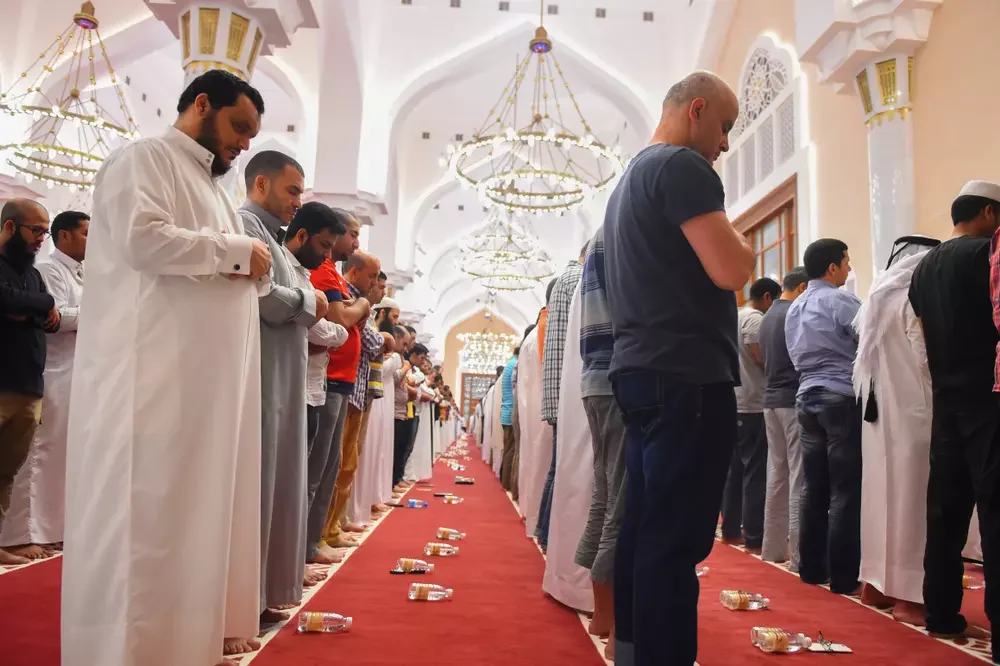
  • During Daily Prayers (Salah): Muslims actually repeat parts of the Shahada every single day during a part of the prayer called tashahhud, when they affirm their belief in Allah and His Messenger.
  • In the Call to Prayer (Adhan):  The person calling the prayer, recites the Shahada as part of the adhan. This powerful statement of faith is recited from the mosque five times a day, serving as a strong reminder of the core belief that unites the community.
  • Before Death: Muslims strive to say the Shahada in their final moments. Ending life with these sacred words is considered a sign of a blessed death and a hopeful entry into Paradise.

The spiritual impact of the shahada

  • Renews your connection with Allah every time you say it, especially in prayer or reflection
  • Acts as a reset for the heart, reminding you of your purpose and surrender to Allah
  • Serves as a daily reminder of faith, grounding you in belief and obedience
  • Shields us from Hellfire, as the Prophet (PBUH) has promised to those who say it sincerely from the heart
  • Deepens love and devotion, and strengthens your spiritual connection to Allah and His Messenger.

Noor Institute: your trusted online platform for islamic knowledge 

At Noor Institute, we are your trusted gateway to authentic Islamic knowledge.

Our team of expert instructors, many of whom are graduates of Al-Azhar University, provide thoughtful guidance inspired by timeless Islamic principles and educational excellence.

With a structured yet flexible learning experience, students benefit from clear progress tracking, personalized schedules, and a rich selection of elective courses to suit every learner’s needs.

Whether your focus is Qur’anic recitation, Arabic language, or comprehensive Islamic studies, our carefully designed curriculum ensures deep, well-rounded learning that strengthens both faith and understanding

Conclusion 

The Shahada Guide for Muslims USA is the core of Islam and marks the start of every believer’s spiritual path. As the very first pillar of the faith, it clearly states the oneness of Allah and the unique role of His Messenger, helping to shape the identity and purpose of every Muslim.

Understanding how to say the shahada in Arabic is about connecting deeply with its meaning and living by its message each day.

At Noor Institute, we are committed to helping learners of all ages explore the richness of Islamic belief. We offer some of the best Arabic classes online, as well as well-organized programs for learning Qur’anic recitation and Islamic studies.

Our goal is to support every learner, from beginner to advanced on their journey toward a deeper and more meaningful connection with the Qur’an, the Arabic language, and the core teachings of Islam.

Explore our wide range of online classes and empower your faith while deepening your knowledge at Noor Institute!

How Muslims Celebrate Eid ul Adha

How to Celebrate Eid al-Adha 2026: Step-by-Step Guide

How to Celebrate Eid al-Adha in the US, UK & Canada? Eid al-Adha is an Islamic festival that is more than just a festival; it is a time of celebrating religion, spirituality, and sacrifice.

Eid al-Adha honors Prophet Ibrahim’s devotion to Allah and his faith in his belief system. In today’s world, the Muslims of different nations celebrate this festival through various practices.

This article will provide you information on how to celebrate Eid al-Adha 2026 in the US, UK, & Canada.

The story behind Eid al-adha

The story goes back to the Prophet Ibrahim (Abraham) who, in submission to Allah’s will, was prepared to sacrifice his beloved son Ismail (Ishmael) because he had been told to do so in a dream multiple times. Just as the sacrifice was being prepared, Allah intervened through Angel Jibreel (Gabriel), who provided a ram to be sacrificed instead of Ismail. This was not only an intervention, but also a show of Allah’s infinite mercy along with an important lesson about submission, love, and reward. Today, Eid ul-Adha commemorates that occasion in a celebration of steadfast faith and complete trust in Allah’s plan.

Read more about the story behind Eid ul-Adha

When Is Eid al-Adha 2026?

Eid al-Adha is celebrated on the tenth day of Dhu al-Hijjah, the last month of the Islamic lunar calendar.Unlike the Gregorian calendar, which is solar-based, the Islamic calendar is based on the cycles of the moon. Consequently, each month in the Islamic calendar spans around 29 to 30 days, leading to a lunar year that’s approximately 11 days shorter than its solar counterpart. This difference causes Eid al-Adha to move forward by roughly 11 days each year when compared to the Gregorian calendar, shifting through different seasons over time.

Why Eid al-Adha Matters: Spiritual Lessons 

Eid ul-Adha is a very holy time for Muslims around the world. It’s a time to remember important values based on faith and being together as a community. At its core, the celebration is about complete surrender to Allah’s will, just as Prophet Ibrahim demonstrated when he was willing to sacrifice his beloved son out of obedience and trust. This act serves as a lesson for Muslims on the significance of fully submitting to Allah, even in those moments when the reasons behind His instructions aren’t readily apparent.

Eid ul-Adha serves as a reminder of core spiritual and social principles, such as:

  • Blind Faith and Trust: Embracing Allah’s wisdom without question, even when faced with challenges beyond human understanding.
  • Sacrifice and Generosity: Giving up something valuable, whether through the sacrifice of an animal or acts of charity, reflects a spirit of selflessness and care for others.
  • Unity and Community:Eid ul-Adha brings Muslims from all over the world together in a common celebration that transcends borders and social status.

Sunnah Acts of Eid al-Adha

The Eid al-Adha celebration does not merely entail the joy of festivities but entails performing certain activities according to the beautiful Sunnah. Such Sunnah acts allow Muslims to observe their Eid in such a spiritual manner and earn many rewards.

Following are some of the important sunnah acts which should be performed on Eid al-Adha:

  •  Perform Ghusl (Purification)

Taking a ghusl before leaving for the eid prayer is considered highly recommended for this occasion.

  •  Wear New/Best Clothes

As part of celebrating Eid, wearing the new/best available clothes is an important Sunnah practice of Eid.

  •  Eat Only After the Eid Prayer

In contrast to Eid ul Fitr, the recommendation on Eid ul Adha is to fast until the end of the prayer; especially for those observing Qurbani.

  •  Participate in the Eid Prayer

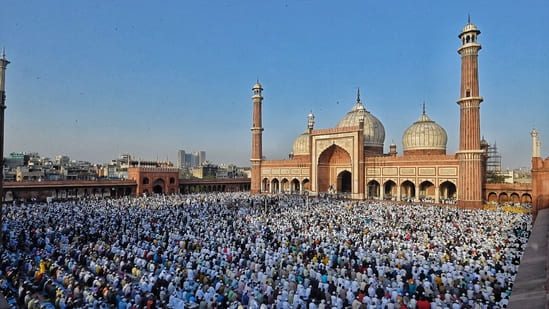
Participation in the eid prayer is the most significant Sunnah act performed by Muslims on this blessed day. People pray either in mosques or in public places, especially in nations like the USA, UK, and Canada.

  •  Recite Takbeer

The Sunnah encourages Muslims to loudly recite the following Takbeer while walking toward Eid Salaah:

Allahu Akbar, Allahu Akbar, La ilaha illa Allah, Allahu Akbar, Allahu Akbar wa lillahil-hamd.

This helps spread the spirit of Eid as well as the greatness of Allah.

  •  Walk Different Paths

To reach the place where the Eid Salaah is being held, it is better to walk one route and take another to come back. The Prophet ﷺ also used to do this.

  •  Make the Sacrifice (Qurbani)

Qurbani is among the most important Sunnah acts of worship. This Sunnah demonstrates the commitment of Prophet Ibrahim (عليه السلام) to his faith and teaches us generosity.

  •  Share Eid Greetings and Joy

Muslims exchange their greetings in the following manner:

👉 “Eid Mubarak”

How to Celebrate Eid al-Adha (Step-by-Step)

Muslims observe Eid ul-Adha with a range of heartfelt traditions that combine spirituality, family, and kindness:

  • Morning prayers: Muslims gather at mosques or in open spaces to pray and hear a sermon on the significance of Ibrahim’s sacrifice of his beloved son as an act of devotion and what this means for their daily lives. Usually, people dress in new and clean clothes, to honor the day.
  • A time for sacrifice: Those who are able celebrate by sacrificing an animal to honor the depth of Ibrahim’s commitment.
  • Gathering with Loved Ones:It’s a special time for families and friends to reunite, usually with festive decorations in their homes and delicious traditional foods that celebrate their culture.
  • Greetings and Gifts:  Sharing warm greetings and exchanging carefully chosen gifts brings an extra layer of happiness to the occasion, resulting in cherished memories and joy.
  • Acts of Compassion: Many participate in voluntary giving and support charitable initiatives to help those less fortunate, reinforcing the spirit of care and mercy that defines the holiday.

The sacrifice ritual: an integral part of eid al-adha

A core aspect of Eid ul-Adha is the Qurbani, the ritual sacrifice. Those who are able participate by sacrificing an animal like a sheep, goat, cow, or camel. This act is a reminder of Prophet Ibrahim’s great belief and how he was ready to sacrifice his own son to follow Allah’s command. What makes this ritual especially meaningful is the way the meat is distributed:

  • One-third is kept for the family
  • One-third is shared with friends and neighbors
  • One-third is given to those in need

This thoughtful division reinforces the spirit of generosity, unity, and care for the less fortunate, ensuring that the joy of Eid reaches every home, regardless of wealth or status.

The Eid Morning: Performing Eid al-adha prayers

The prayer takes place very early in the morning on the 10th of Dhu al-Hijjah, which is the first day of Eid. Though specific times differ based on location, most communities gather around 6:00 or 7:00 AM.

Since many people attend Eid prayers, they are almost always conducted in open spaces that can accommodate the crowds such as main mosque courtyards, or also very large gathering spaces such as sports halls and convention centres especially in Western contexts. When open spaces are not available, attendees pray in mosques for Eid prayers.

Before stepping out for this special prayer, Muslims prepare just as they would for regular prayers by performing wudu (ablution) and dressing modestly in clean or new clothes.

How to pray Eid salah (prayer)?

The Eid prayer has unique features that distinguish it from regular daily prayers:

  • No Adhan or Iqamah: The prayer begins without the usual call to prayer.
  • Two Rak’ahs (units), with added Takbirs:
  • First Rak’ah: 7 extra takbirs after the opening, followed by Surah Al-Fatiha and another surah (often Al-A’la) followed by ruku and sujoud as usual
  • Second Rak’ah: 5 extra takbirs, Surah Al-Fatiha and another surah (often Al-Ghashiyah) each followed by ruku and sujoud.

Once the prayer concludes, the imam delivers a sermon. On Eid, this is different from Friday prayers, since the khutbah (sermon) takes place after the prayer.

Making the most of Eid al-adha

  • Plan ahead: Whether it’s meals, gatherings, or gifting, planning and organizing details ahead of time can help you feel calm and focused while you enjoy the day.
  • Involve everyone: All family members can participate ; younger family members to elderly can contribute, whether it is decorating the home, preparing food, or sharing in the sacrifice, involving them ensures these tasks become memorable activities.
  • Practice giving: Share what you have with others, visit those who may be alone, and let generosity shape your actions throughout the celebration.

Noor Institute: authentic, accessible online islamic learning

Eid al-Adha 2026 is a time that highlights the essence of faith, sacrifice, and devotion—and Noor Institute is here to help you connect more deeply with these values. Through a variety of online Islamic courses, Noor Institute offers authentic, accessible learning experiences that let you explore the profound teachings behind Eid and other important Islamic traditions from anywhere in the world. Whether you’re just beginning your journey or looking to deepen your understanding, Noor provides expert guidance and a supportive community to inspire lasting spiritual growth during Eid ul-Adha and beyond.

Conclusion 

After exploring how do Muslims celebrate Eid ul Adha, it is evident that this special occasion is a great combination of faith, sacrifice and community spirit. From the morning prayers to the symbolic ceremonies and acts of giving, Eid ul-Adha is a strong expression of faith and generosity that brings Muslims together.

Many Muslims get ready spiritually during this special time because Eid ul-Adha comes at the end of the first 10 days of Dhul Hijjah, which are the most holy days in Islam. You can read our full guide on What to Do on the First 10 days of Dhul Hijjah to find out more about what to do during these blessed days.

For those wishing to further explore the teachings of Islam, Noor Institute offers authentic and structured courses aimed at giving you the flexibility to learn at your own pace and from anywhere in the world. Noor Institute provides knowledge within a vibrant community that guides you on your spiritual path.

Enroll today in one of our islamic courses to unlock authentic knowledge

Find nearby Islamic centers in the UK & US and Canada:

Arabic alphabet chart for UK kids

How Difficult Is It to Learn Arabic in the UK?

How Difficult Is It to Learn Arabic in the UK? A Guide for Kids & Parents

If you are a non-Arabic speaker let me surprise you, Arabic isn’t as difficult as it seems. How Difficult Is It to Learn Arabic in the UK? It often has a reputation for being one of the hardest languages to learn, but that’s not entirely accurate. So, how difficult is it to learn Arabic? The truth is, it only feels challenging because it’s unfamiliar. Like anything new, it may seem overwhelming at first, but once you begin learning and engaging with the language, you’ll quickly realize that it’s much more approachable than you expected.

In just a few minutes as you read this blog, we’ll show you that Arabic is easier to learn than you think.

Looking for Arabic lessons for your kids in London or Birmingham? Our structured programs are designed with UK children in mind.

Why Arabic Seems Hard for English-Speaking Children

Learning a language can feel difficult for many reasons, such as:

  • Linguistic distance: how different the language is from your native one
  • Complex grammar rules: unusual sentence structures or verb forms
  • Difficult pronunciation: it can be hard to produce sounds that don’t exist in your native language.
  • Large vocabulary and idioms: many new words and expressions to memorize
  • Cognitive load: the mental effort needed to learn and remember
  • Lack of regular practice: without consistency, progress is slow
  • Age and motivation: younger learners or highly motivated people often learn faster


How difficult is it to learn Arabic?

So, the answer depends on your perspective. The real challenge lies not in its complexity, but in how different it is from English. Unlike European languages, Arabic shares very few similar words (cognates) with English, which means you can’t rely on familiar vocabulary to get you started. Additionally, Arabic includes unique sounds that don’t exist in English, making pronunciation and listening a new experience. Grammar structures and writing direction may also take time to get used to. Still, these differences don’t make Arabic impossible but just unfamiliar. With consistent effort and the right approach, learners can absolutely master the language, especially given how widely spoken and culturally rich it isWhether you’re in Manchester, Leeds, or Glasgow, our online Arabic classes fit perfectly into your child’s after-school routine.

  Why Arabic Seems Hard for English-Speaking Children

Arabic is often seen as a hard language for English speakers because of several key differences:

  • According to the U.S. Foreign Service Institute, it falls into Language Group V, which is the hardest category for English speakers.
  • The grammatical rules are complex, with unfamiliar sentence structures and rules.
  • It uses a right-to-left writing system, which can feel completely new.
  • Letters change depending on where they’re located in the word.
  • Many sounds in Arabic don’t exist in English, which can make pronunciation hard.
  • Few shared vocabulary words (cognates) mean more memorization is needed.

Despite these challenges, you still can learn Arabic and unlock its richness. With the right methods and mindset, many people have mastered it and discovered its beauty.


 6 Reasons Arabic is Easier Than You Think

1- Arabic is a phonetic language

Arabic is written the way it sounds. This means once you know the alphabet you can usually pronounce the words correctly just by reading them. Unlike English or French, where spelling and pronunciation often don’t match, Arabic’s phonetic consistency helps learners read and speak with more confidence, faster.

2- Consistent verb patterns

Arabic verbs follow clear and regular patterns, especially in Modern Standard Arabic. Once you understand a root and the pattern it belongs to, you will be able to easily recognize and create other forms of the word.

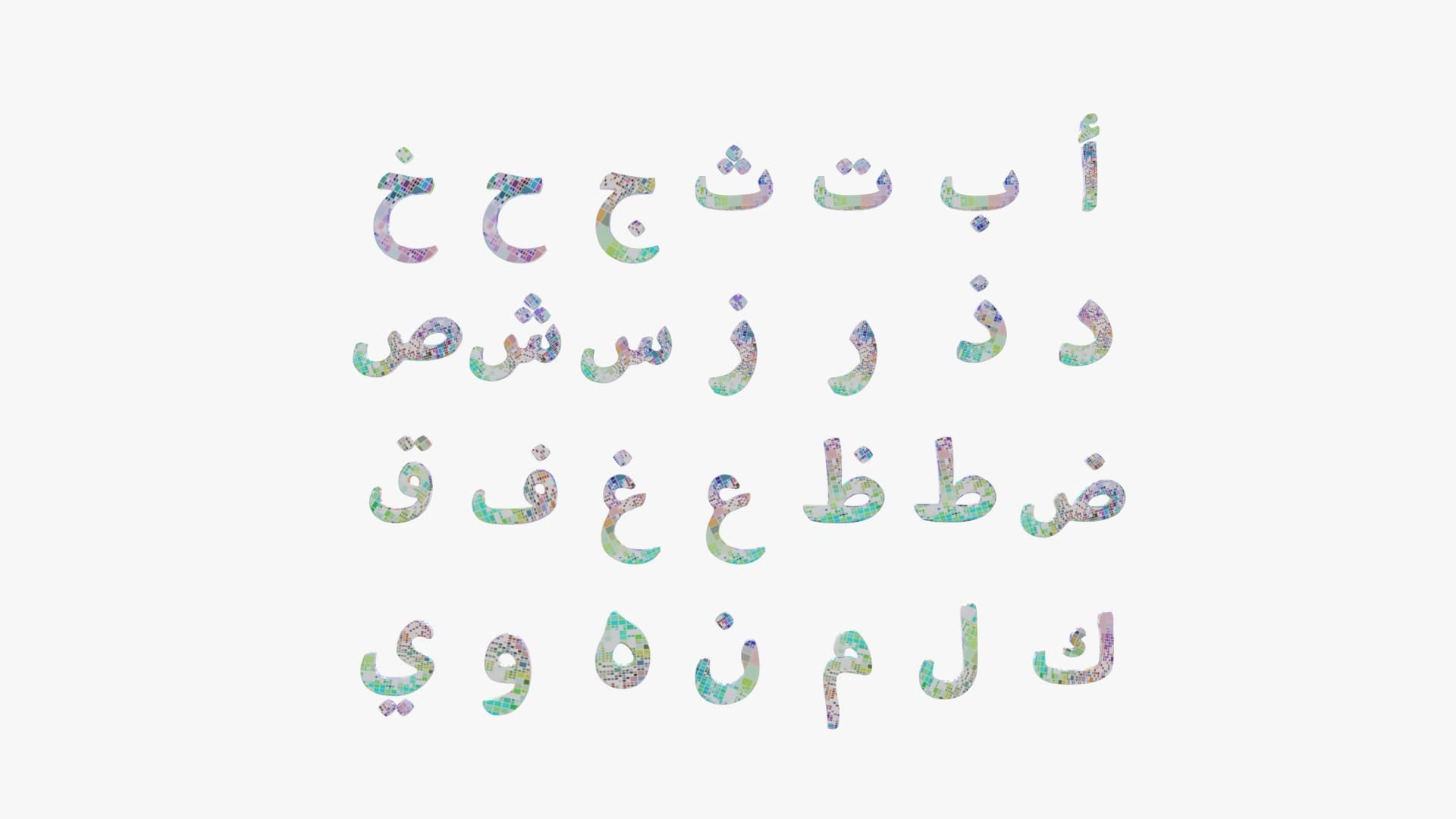
3- There is only 28 Letters

In comparison with languages such as Chinese that use thousands of characters, the Arabic alphabet is easy with only 28 letters. And while the letters change shape depending on their position in a word, they follow a consistent logic that becomes easier with practice.

4- Simple grammar

Arabic grammar might seem overwhelming at first glance, but it’s actually more straightforward than many European languages. Unlike German for example, which rely on complex verb conjugations and rigid gender rules, Arabic focuses more on consistent patterns and clear sentence structure. Once you learn the basic forms of nouns and verbs, forming sentences becomes easier than expected.

5- Abundant learning resources

Thanks to growing global interest, Arabic learners today have access to countless resources. This makes it easier than ever to find help, practice, and stay motivated throughout the learning journey.

6- Millions of speakers to practice with

Arabic is the fifth most spoken language in the world with more than 400 million speakers. This means you will always find someone to practice with.

We’ve helped families across Leicester, Sheffield, and Luton start their Arabic journey—now it’s your turn!”

Discover how easy Arabic can be with Noor Institute

No matter how difficult you think Arabic might be, Noor Institute understands that anything unfamiliar can feel overwhelming at first. That’s why we don’t just teach the language instead, we walk with you through every step. At Noor Institute, we embrace your challenges and turn them into progress by offering some of the best Arabic classes online. Our step-by-step approach is designed to simplify the learning process, helping you gradually navigate every challenge with confidence. Once you join Noor Institute Arabic classes, you’ll quickly realize how easy and enjoyable learning Arabic can truly be.

Sign up today and unlock the beauty of the Arabic language.


Best Islamic Bedtime Stories for Kids in Canada

The 7 Best Islamic Bedtime Stories for Kids with Morals children naturally loved it, they imagine, feel, and learn as they listen. Stories don’t just capture their attention; they shape their values, often without them realizing. These stories, especially when sourced from the Quran and Sunnah, have a magical way of sparking inspiration, offering guidance, and nurturing young souls with timeless lessons. Islamic bedtime stories are a beautiful way to plant seeds of wisdom, courage, and faith in your child’s heart, all while strengthening their connection to Allah.

“Whether you’re living in Toronto, Vancouver, or anywhere in Canada, these stories offer bedtime inspiration rooted in Islamic values.”

In this blog, we’ve selected 7 of the best Islamic bedtime stories for kids with morals, including beautiful Quran stories and inspiring Prophet stories, designed to help Muslim parents share the beauty of Islamic teachings through simple, powerful storytelling. These Islamic stories for kids teach faith, kindness, and good values in a peaceful and enjoyable way — perfect for Muslim families in Canada.

1- Islamic Bedtime Story: The Story of Prophet Adam (AS)

Allah created Prophet Adam (peace be upon him) as the first human and first prophet. He was elevated by Allah by granting him knowledge and empowering him with responsibility. He and his wife Hawwa (Eve) lived in a beautiful garden. But when Satan tempted them to eat from the forbidden tree, they made a mistake and were sent down to Earth. Even after their mistake, Adam remained devoted to Allah and lived a long life teaching others about submission and obedience.

Key Lessons & Morals:
This story teaches children that mistakes happen, but what matters is turning back to Allah. It highlights the importance of obeying Allah’s commands, seeking forgiveness sincerely, and always continuing to learn and follow divine guidance.

2- Prophet Muhammad’s Cave Hira Story – An Inspiring Islamic Bedtime Story for Kids

 The second Best Islamic Bedtime Stories for Kids with Morals about During a time of darkness and idol worship in Makkah, Prophet Muhammad ﷺ would retreat to Cave Hira to reflect and seek the truth. One night, while he was alone in the cave at the age of 40, something incredible happened. The Angel Jibreel (Gabriel) appeared to him and delivered the very first words of the Qur’an: “Read in the name of your Lord who created…” (Surah Al-‘Alaq). The Prophet was frightened and rushed home, unsure of what had just happened. His wife, Khadijah (may Allah be pleased with her), comforted him and believed in him immediately. This was the beginning of his role as the last Messenger. Despite being known as honest and trustworthy, he faced rejection, mockery, and hardship as he spread the message of Islam, yet he never gave up.

3- The Exciting Quran Story of Prophet Musa (AS) and Pharaoh for Kids 

The third Best Islamic Bedtime Stories for Kids with Morals about Prophet Musa (peace be upon him) was one of the greatest prophets in Islam and is mentioned frequently in the Qur’an. His story begins with a miracle; saved as a baby from Pharaoh’s soldiers, he was raised in Pharaoh’s own palace. Later, after fleeing Egypt and receiving revelation from Allah, Musa returned to confront Pharaoh. With courage and the support of his brother Harun (peace be upon him), he faced Pharaoh’s arrogance, performed miracles, and eventually led his people to safety by parting the Red Sea with Allah’s help.

Key Lessons & Morals:

  • Trust in Allah: Even in the most difficult situations, Allah’s help is always near.
  • Be Courageous: Musa (peace be upon him) stood up to a powerful tyrant with faith and bravery.
  • Obey Allah’s Commands: Following Allah’s guidance leads to the best outcomes, even when it’s hard.

4- The Miraculous Life of Prophet Isa (Jesus)

The fourth Best Islamic bedtime stories for kids with morals about Prophet Isa (Jesus) came intot his world through a miracle from Allah, he was born without a father, and his mother was Maryam (peace be upon her), a woman of great faith and purity. Even as a baby, he spoke to defend his mother and declare his prophethood. As he grew, he traveled across Palestine spreading the message of Allah, calling people to worship the One true God. By the will of Allah, he performed many miracles, including curing the sick, restoring the sight of the blind, and giving life to the dead. Though some followed him, others rejected him and plotted against him. But Allah protected him, raising him up and saving him from harm, showing that no plan is greater than His.

Key Lessons & Morals:

  • Believe in Allah’s Plan: Even when things seem scary or unfair, Allah’s wisdom is always perfect.
  • Miracles Come from Allah Alone: Every miracle Isa (PBUH) performed was by Allah’s permission.
  • Stay Strong in Faith: Like Isa, children can learn to speak the truth kindly and stand by what’s right.
  • Allah Protects the Righteous: Even when surrounded by enemies, Allah never abandons His true servants.

5- The Most Popular Quran Story For Kids: The Miracle of the Elephant Army (Surah Al-Fil)

In the year Prophet Muhammad ﷺ was born, a powerful ruler named Abraha marched toward Makkah with a huge army including elephants to destroy the Kaaba. But Allah protected His sacred house. As the army moved forward, The elephants halted and refused to move. Then Allah sent flocks of birds carrying small stones, which defeated Abraha’s entire army. Not a single soldier survived. It was an obvious indication of Allah’s power and defence.

Key Lessons & Morals:

  • Allah protects what is sacred: No matter how strong an enemy may seem, Allah’s power is greater.
  • Rely on Allah: Even when assistance seems unattainable, having faith in Allah during hard times brings safety.

6- Quran Story for Kids: The People of the Cave (Ashab Al-Kahf)

A group of courageous young believers lived in a land where idol worship was the norm. To protect their faith, they escaped to a hidden cave and prayed for Allah’s mercy. In response, Allah caused them to sleep for 309 years, miraculously preserving their bodies and shielding them from harm. Upon waking up, they discovered that everything around them had been utterly transformed. Their miraculous sleep proves Allah’s incredible power and His protection of those who stand firm in their faith.

7- The Exciting Quran Story: Prophet Sulaiman (AS) and the Ant 

While leading his grand army of humans, jinn, and animals through a valley, Prophet Sulaiman (peace be upon him) heard an ant warning her colony to take shelter so they wouldn’t be crushed.Sulaiman was gifted by Allah with the ability to understand animal speech. When he heard the tiny ant’s words, he smiled with gratitude and thanked Allah for this incredible gift.

Key Lessons & Morals:

  • Gratitude matters:It is important to express gratitude to Allah for all of your blessings, no matter how small.
  • Every creature has value: Even the smallest voice deserves to be heard and respected.
  • Good leadership is gentle: True leaders care for those under their responsibility even the weakest.

 More inspiring Islamic stories for kids in Canada

These Islamic stories are a wonderful way to introduce key Islamic teachings for kids through storytelling:

  • The story of Prophet Yaqub
  • The story of Prophet Ayyub
  • The story of the rich Qaroon
  • The story of Phophet’s Muhammad migration
  • The Story of the Sabbath-Breakers
  • The story of Bilal Ibn Rabah 

Explore Quran Stories & Online Islamic Classes for Kids with Noor Institute

Are you looking for a trusted online academy to help your child build a strong foundation in Quran, Arabic, and Islamic studies? Noor Institute makes it easy and accessible. It offers a variety of online Islamic courses tailored specifically for children. Each class is age-appropriate, engaging, and led by experienced teachers who understand how to connect with young learners. With Noor Institute, your child can grow in faith and knowledge from the comfort of home.

Conclusion: Why Islamic Bedtime Stories Help Kids Grow in Faith

The Best Islamic bedtime stories for kids with morals play a powerful role in shaping a child’s understanding of right and wrong, while also strengthening their love for Islam. These stories go beyond bedtime, they introduce meaningful values like honesty, kindness, patience, and reliance on Allah, all in a way that’s easy for children to relate to. When shared consistently, they become a lasting source of guidance, reflection, and emotional growth.

To further support this journey, Noor Institute enhances Islamic learning through its trusted online Islamic classes, offering children engaging lessons in Quran, Arabic, and Islamic teachings, all from the comfort of home.

We also recommend visiting the Islamic Foundation of Toronto, a well-known center supporting Muslim families in Canada.

Empower your child with the gift of Islamic learning. Enroll them in one of Noor Institute’s online Islamic classes today.

Simple Tips for Absolute Beginners

Easy Arabic Letters for Kids – UK Parents Guide

Easy Arabic Letters for Kids – UK Parents Guide

You might be interested in learning Arabic but find yourself overwhelmed and stuck when it comes to learning the Alphabet. The Arabic alphabet is at the core of learning Arabic so mastering it is essential, and if you manage to pass this stage successfully, you’ll have the foundation you need to rock it in Arabic.

So, if you are a beginner who aims to learn how to write Arabic letters, you are exactly in the right place. In the coming lines, we will share 5 of the most effective ways for beginners to start writing the alphabet with ease and confidence.

1- Learn the Alphabet 

Arabic features 28 distinct letters, and each one has its own unique name, shape, and sound. What’s interesting is that most of these letters change their appearance depending on where they are placed in a word. To start learning:

  • Master the isolated form: Get comfortable with each letter by itself before you start learning how they connect.
  • Say the letters out loud: This improves memory by connecting the shape and sound.
  • Learn the letter names: This will help with future spelling and pronunciation.
  • Pay attention to small details: Dots, curves, and lines are essential for telling similar letters apart.

2- Start small and build up

After learning the letters by themselves, the next step is to start writing them. Do not jump ahead into words right away; take it step by step instead. Writing in Arabic is a skill that develops with gradual practice.

  • Begin with one letter at a time: Focus on forming each letter neatly and confidently.
  • Practice various positions: Find out how each letter appears at the start, middle, and finish of a word.
  • Move to simple combinations: After you feel at ease, try writing brief words with letters you know.

3- Invest in online classes

Easy Arabic Letters for Kids – UK Parents Guide is Self-study is fantastic, but sometimes you need a structured approach to keep moving forward, and that’s where online classes come in. A solid course can boost your progress and connect you with expert help when you need it.

  • Join a structured program: Enrolling in an Arabic conversation course gives you a clear path, from the alphabet to full sentences.
  • Get personalized feedback: A tutor can adjust the pace, correct your writing, and answer your questions in real time.
  • Develop your fluency and pronunciation: With professional guidance, you’ll learn how to pronounce letters correctly and start utilising them in everyday speech.

 4- Make practice part of your daily routine

Consistency is key when learning to write Arabic. Even 10–15 minutes a day can make a big difference if you stay committed and focused.

  • Write and read daily: Practice writing letters in all their forms.
  • Review regularly: Go back to letters you’ve already learned to keep them fresh in your memory.
  • Use a mix of activities: Combine writing with listening, reading, and speaking to reinforce what you learn.
  • Practice with others: A conversation partner or study buddy can make learning more engaging and help you stay motivated.

5- Adjust your mindset

Learning to write Arabic letters is also about mindset. In the beginning, your writing may feel slow or messy, and that’s completely normal. Just concentrate on moving forward, no matter how small the steps feel. Celebrate each step forward. Arabic is a beautiful language, and like anything worth learning, it takes time. Be patient, be consistent, and trust that with practice, it will begin to feel natural.


how to write arabic letters for beginners: Bonus tricks

  • Leverage visual aids: Use Arabic alphabet charts that show each letter in its isolated, beginning, middle, and end forms. Flashcards are also great tools to reinforce memory and help you recognize letters quickly.
  • Use tracing sheets: These sheets will help you get used to the curves, dots, and stroke flow of Arabic letters. It’s an excellent method for developing muscle memory.
  • Group similar letters: Many Arabic letters look alike, with the main differences being the number or placement of dots. Learning them in groups can make them much easier to remember and helps clear up any confusion.
  • Write on lined paper: Some letters sit neatly on the line, while others extend above or below it. Using lined paper helps you control proportions and write more neatly and consistently.
  • Use a variety of resources: Mix things up with writing videos, podcasts, apps, and online classes. Different formats keep learning fun and help you remember better.

Top mistakes beginners do when writing arabic letters

  • Mixing up similar letters: Letters like ب (baa) and ت (taa) look nearly identical except for their dots. It’s easy to confuse them if you’re not careful with detail.
  • Incorrect letter connections: In Arabic, most letters are connected, and their shapes can change depending on their position. Beginners often connect letters the wrong way, or even forget to connect them at all.
  • Ignoring letter variations: Each Arabic letter has different forms based on its location in the word. Forgetting to use the right form can make a word unreadable.
  • Not practicing enough: Without regular writing practice, letters may end up poorly formed or inconsistent. Frequent review and repetition are essential to build muscle memory and confidence.


Master the Arabic alphabet with Noor Institute 

Still feeling overwhelmed and unsure about how to write Arabic letters for beginners? We are here to help.

For Muslim parents across the UK, from London, Birmingham, and Manchester to Leeds, Liverpool, Sheffield, Cardiff, and Glasgow, this guide helps children learn Arabic letters with ease. Perfect for non-Arabic speaking families in the British Muslim community. For more resources, visit the Islamic Cultural Centre UK.

At Noor Institute, we offer some of the Best Arabic classes that are designed to take you step by step from the alphabet all the way to reading and writing with confidence. Our structured lessons, expert teachers, and interactive resources will help you progress smoothly.

Sign up today and gain access to high-quality instruction, personalized feedback, and everything you need to master Arabic at your own pace.

best age to start learning arabic

Why UK Muslim Kids Should Learn Arabic Early

Why UK Muslim Kids Should Learn Arabic Early? There are infinite benefits of studying Arabic: from understanding culture to career opportunities to brain development. Although anyone can learn this language at any age, and there is always an opportunity to learn, even if it’s late in life most agree the best age to start learning Arabic is during early childhood. At a young age, children absorb language effortlessly, picking up sounds, words, and sentence patterns with remarkable ease. However, all learners, at any age, can enjoy the many advantages that Arabic can bring, as long as they have the right support and opportunities.

What is the best age to start learning Arabic?

There is no one “perfect” age to start learning Arabic because any person at any age can start learning and be successful. Nevertheless, many experts agree, the earlier the better, especially when it comes to learning a new language.

Children as young as 3 years old have brains that are naturally able to learn new sounds, words, and sentence patterns easily. Their ability to mimic pronunciation, learn vocabulary fast, and memorize what they are taught makes early childhood the “golden age” of language acquisition.

However, that doesn’t mean older learners are at a disadvantage. Adult learners can achieve very high levels of fluency if they have suitable attitudes and approaches with regard to learning, and they can even excel in areas such as grammar and structure.

The ideal age for kids to learn Arabic 

Children can begin acquiring Arabic at almost any time during the early years. However, many language experts view the 3 to 10-year-old age range as the “golden age” for language learning.

Why UK Muslim Kids Should Learn Arabic Early? Because Children have an inherent curiosity and a willingness to try without being afraid of errors. Therefore, they are more open to acquire a new sound, repeat words, and practise pronunciation without being self-conscious. This means children usually develop a more native-like accent and great listening skills.

How learning Arabic differs by age group

UK Muslim Kids Should Learn Arabic Early Learning while Arabic is accessible at any age, but the way we learn and use the language changes as we get older. Each age group has its own strengths and ways of learning that affect the experience.

  • Young Children (up to 12 years old)

Brains are highly adaptable and absorb new languages effortlessly.

Learn best through play, repetition, and engaging sensory input (songs, stories, visuals).

Can develop near-native pronunciation and a strong intuitive grasp of Arabic.

  • Teenagers (13–19 years old)

Better ability to grasp context, grammar, structure, and abstract rules.

Often more self-aware and motivated by school success, peer interaction, or cultural curiosity.

Can build a strong foundation for future use — academic, social, or career-related.

  • Adults (20+ years old)

Bring discipline, focus, and life experience to their learning.

Better reasoning skills can help them with vocabulary and language patterns, as well as other abstract concepts.

May need to balance learning with work and family, but are usually goal-driven and consistent.

Key benefits of learning the Arabic language 

Students, professionals, travelers, and anyone else interested in learning the language can all benefit greatly from learning Arabic.

  • Career & Business Opportunities

Arabic is a high-demand language in global business, government, education, and media fields. Being fluent can boost your chances of getting hired, promoted, or employed internationally.

  • Cultural Understanding & Respect

Learning Arabic gives you a deeper connection to the values, histories and rich traditions of Arab cultures. It builds appreciation and respect, and this is particularly important in our interconnected world.

  • Travel & Real-World Communication

Speaking Arabic makes traveling across the Middle East and North Africa more meaningful and enjoyable. It allows for deeper conversations, smoother navigation, and a sense of belonging in local communities.

  • Community & Relationships

With Arabic-speaking communities growing worldwide, especially in places like the U.S., Canada, and Europe, learning Arabic can strengthen neighborhood ties, create friendships, and promote inclusivity.

Reasons why starting learning younger is better

Starting Arabic early in life offers children unique advantages that shape both their minds and their connection to the world around them. While it’s never too late to learn, younger learners benefit from a natural edge that makes the journey smoother and deeper.

  • Faster Language Absorption

Young minds are highly adaptable and described as “language sponges.” They absorb sounds, vocabulary, and sentence patterns effortlessly, making it easier to achieve fluency and a native-like accent.

  • Stronger Cognitive Development

Learning Arabic early can enhance memory, attention span, and problem-solving skills. It supports overall brain development and improves academic performance across subjects.

  • Early Access to Knowledge

Arabic gives children direct access to a wealth of Islamic texts, historical literature, and cultural insights, allowing them to explore their faith and heritage with deeper understanding from a young age.

  • Preserving Cultural & Religious Identity

For non-Arab Muslims and Arabs living in non-Arabic-speaking countries, For non-Arab Muslims and Arabs living in non-Arabic-speaking countries, learning Arabic helps maintain a strong connection to their heritage. It supports a deeper understanding of Islamic values and traditions, and nurtures a sense of identity in diverse cultural settings.

Easy ways to help children learn Arabic 

  1. Natural exposure: Children pick up language best when it feels part of daily life. Simple Arabic phrases used at home can build confidence and familiarity over time.
  2. Learning Arabic through stories: Storybooks, cartoons, or audio tales in Arabic can spark curiosity and help children absorb new vocabulary in a meaningful context.
  3. Fun-based learning: Interactive games, songs, and language apps make learning Arabic more enjoyable and less intimidating, especially for younger kids.
  4. Leveraging guided learning: Enrolling in Structured programs, like Noor Institute’s Arabic classes for kids, can provide consistency, expert instruction, and age-appropriate materials to help your child progress with confidence.

Is it ever too late to learn Arabic?

Let’s agree that it’s never too late to start learning Arabic. Adults face unique challenges like busy work schedules and responsibilities to family and work, they also have some characteristics of value. The maturity, focus, and personal motivation of adults brings intentional and meaningful learning.

At Noor Institute, we think that age should never be a problem. Our Arabic classes for adults are open to people of all ages and levels of experience. Whether you’re learning for personal growth, religious understanding, or professional development, it’s always the right time to begin.

Learn Arabic at any age with Noor Institute 

Learning happens at a different pace for everyone, but success is achievable at any age with the right setting and support. At Noor Institute, we truly believe that any age can be the best age to start learning Arabic. We have a systematic plan that is intentionally designed for different ages and backgrounds. Our online Arabic classes for kids and adults are structured to support busy adult learners and are age-appropriate for kids in a way that helps learning be effective, fun, and accessible for the whole family.

Learning Arabic in the UK is now more accessible than ever for Muslim families. Whether you live in London, Birmingham, Manchester, Leeds, Leicester, Bradford, Sheffield, Cardiff, or Glasgow, there are many opportunities to help your child connect with Arabic and the Quran. Families can also benefit from resources and support provided by the Islamic Centre of Britain, which guides parents and children in building a strong Islamic identity through Arabic and Quran learning.

Experience our personalized, age-friendly Arabic classes. Sign up now and start your free trial

Frequently asked questions 

  • Is 2 years enough to learn Arabic?

This age is still a little early for structured Arabic learning. Language experts generally recommend starting around the age of 3, when children are more developmentally ready to absorb and use new words.

  • How to teach Arabic to a 3-year-old kid?

The golden tip is to always keep it simple and avoid overloading your child with too much information at once. Using fun-based techniques can also make a big difference. 

Difference between Arabic and Urdu language

Is Urdu Similar to Arabic? A Quick Guide

Urdu is an Asian language spoken by nearly 65 million native speakers. It is recognised as a mother tongue in some regions of India and is the national language of Pakistan. Because Arabic and Urdu have many similar letters and a similar appearance, one might initially assume that they are the same language. But is that really true? 

Although these 2 languages may appear alike initially, the difference between Arabic and Urdu language is significant.

In this blog, we’ll explore what connects them, and what sets them apart while offering insight for Urdu speakers interested in learning Arabic more effectively.

The shared history between Urdu and Arabic 

Urdu and Arabic share a deep historical connection, especially noticeable in their shared vocabulary and script. As Urdu developed in the Indian subcontinent, it was heavily shaped by Muslim rulers, scholars, and traders, all of whom played a role in its evolution. Because of this, Urdu absorbed many words from Arabic, Persian, and Turkish, especially in religious contexts, poetry, and formal speech. Arabic’s influence went beyond just words, even affecting how Urdu is written. Urdu uses a modified version of the Perso-Arabic script, tweaking it a bit to fit its own distinct sounds. Even though they come from different language families, the strong impact of Arabic on Urdu is clear in everyday conversations, religious books, and classical literature, showcasing a shared history that lives on.

Is Urdu similar to Arabic language?

No, Urdu and Arabic are not similar languages. While they share a similar script and some common vocabulary items, they come from totally different language families with different grammar rules, pronunciation, and sentences. Urdu is written in Arabic script but specifically in a version called Nastaʿlīq while Arabic is often written in Naskh. While Arabic and Urdu may look similar when written, the similarities exist visually but the languages themselves are fundamentally different in how they work and how they are spoken.

The difference between Arabic and Urdu language

The main difference lies in their linguistic roots. While Urdu is an Indo-Aryan language from the Indo-European family, Arabic is a Semitic language from the Afro-Asiatic family. This core distinction shapes their grammar, structure, and overall expression. Although both languages use forms of the Arabic script, Arabic is written in Naskh, a simpler, linear style, whereas Urdu uses Nastaʿlīq, a more decorative and flowing script. Unlike Arabic, which has 28 letters, Urdu uses around 39 to 40, allowing it to represent additional sounds found in South Asian languages.

Some other differences include:

  • Syntax: Urdu typically arranges sentences in a Subject-Object-Verb order. On the other hand, Arabic tends to use either a Verb-Subject-Object or a Subject-Verb-Object word order.

  • Cultural Usage: While Arabic is the official language in most of the Middle East and North Africa, Urdu is mainly spoken in Pakistan and some regions of India.

  • Letter Forms: In Arabic, the majority of letters change between two or three different forms depending on where they appear in a word. However, in Urdu’s Nastaʿlīq script, certain letters can have even more than three variations, particularly when used in calligraphy.

Why Arabic is easy for Urdu speakers to learn

Arabic may seem like a new language to Urdu speakers, but in many ways, it already feels familiar. The two languages share several features that make Arabic more accessible to Urdu speakers. For example, both are written from right to left, so learners don’t need to adapt to a new writing direction. Urdu also uses the Nastaʿlīq script, a stylized version of the Perso-Arabic script, which means many Arabic letters are visually familiar. Additionally, Urdu contains a large number of Arabic-derived words, especially in religious, academic, and formal contexts. Many of these words also carry similar meanings in both languages. These shared elements provide a solid foundation and give Urdu speakers a meaningful head start when learning Arabic.

Looking to learn Arabic? Sign up for Noor Institute and get started with the Arabic conversation course 

Can Urdu speakers read Arabic easily?

Yes, Urdu speakers are usually capable of reading Arabic script. Still, this doesn’t mean they truly understand it. Since both languages use a version of the Arabic script, most Urdu speakers can recognize and read Arabic letters with ease. They might also know a lot of Arabic words found in Urdu, particularly in religious or formal settings. But this visual recognition doesn’t ensure understanding. Arabic and Urdu have substantial differences in grammar, vocabulary, and pronunciation. So even if an Urdu speaker can read Arabic, they might still find it hard to fully comprehend the text or say the words properly.

Learn Arabic for Urdu speakers

Even though Arabic and Urdu are quite different, their similarities give Urdu speakers a solid starting point for exploring the depth of the Arabic language. At Noor Institute, we encourage you to build on that foundation. Our learning experience is designed specifically for non-native speakers, emphasizing real-life conversation, practical language use, and cultural relevance. We offer some of the best Arabic classes online available to help you build fluency and confidence. With our expert instructors, who are native Arabic speakers and fluent in English, you’ll gain not only the skills to read and write but also the ability to speak and understand Arabic in everyday contexts.

Arabic alphabet

10+ Essential Arabic Words Every Beginner Should Know

The Arabic language is remarkable for its extensive vocabulary, encompassing more than 12 million words, which makes it the most linguistically abundant language globally. What is even more interesting is that some words can express meanings that are opposite, depending upon the context in which they are used. This linguistic depth is further enhanced by the language’s eloquence; each word has multiple synonyms that vary with the situation, adding layers of expression.

With millions of words to explore, it’s smart to start small. Here, we will start with the most popular Arabic words, and in a few minutes you will be familiar with some common phrases that are used every day by millions of speakers across the Arab world.

In this blog, we’ve picked around 14 widely-used Arabic words and phrases that are appropriate for learners of any level. These are helpful and meaningful words and phrases with cultural implications. We’ll also share with you some tips to allow you to identify, memorize, and use them effortlessly in communication.

Number of native Arabic speakers

According to the recent numbers revealed by Babble magazine, about 362 million people speak Arabic as their native language, making it the fourth most spoken native language worldwide, according to Babbel Magazine. But these figures only tell part of the story.

Arabic is not just one single language. Similar to Chinese, Arabic is made up of a variety of dialects that can differ so much that speakers cannot understand each other, depending on which region they are from. The Modern Standard Arabic used in the media and taught in schools is based on Classical Arabic (Quran’s language) and is the formal, standardized form, which unifies the Arab world. However, in day-to-day exchanges, each country has its own slang and local dialect, which provides amazing diversity, but also makes spoken Arabic extraordinarily different across the region.

most popular Arabic words

Source: Babble magazine 

Different dialects in the Arabic language

Over time, various Arabic dialects have developed. While there are roughly 25 different Arabic dialects spoken today, the language is generally categorized into three main varieties: Classical Arabic, Modern Standard Arabic (MSA), and Colloquial or Daily Arabic.

4 main categories of Arabic dialects:

  1. Gulf (Khaliji): Spoken in GCC countries like Saudi Arabia, UAE, Bahrain, Kuwait, and Qatar, this dialect is similar to Iraqi and Yemeni Arabic.
  2. Levantine: Covers Lebanon, Syria, Palestine, and Jordan, with minor differences between urban and rural speech, such as in Amman.
  3. Egyptian: Known for its unique pronunciation, this dialect is widely understood across the Arab world thanks to popular Egyptian media. Egypt also has several regional dialects.
  4. Maghreb: Spoken in North African countries from Libya to Mauritania, this dialect group is quite distinct and often hard for other Arabic speakers to understand.

Most popular Arabic words you need in everyday conversations

  • Hello (أهلاً – مرحباً): Welcoming phrases used to greet others at any time of day.
  • Good morning (صباح الخير): A common greeting in the morning.
  • Peace be upon you (سلام عليكم): A respectful greeting widely used in the Arab world.
  • Good evening (مساء الخير): Used to greet people at night in a polite and friendly way.
  • Goodbye (مع السلامة): A common phrase used when parting or leaving.
  • Please (لو سمحت – من فضلك): A nice phrase people say to ask someone to do something.
  • Thank you (شكراً): Used to express gratitude and appreciation.
  • You’re welcome (عفواً): A polite response when someone thanks you.
  • Yes (نعم): Used to confirm, agree, or respond to someone calling you.
  • No (لا): A direct way to refuse or say no.
  • Sorry (آسف): This expression is a common way for apology and expressing regret.
  1. How are you (كيف حالك): Warm phrase to ensure the person is feeling good.

Best ways to learn to learn Arabic 

  • Start Simple: Begin with the basics like letters, simple words, and common everyday phrases. This foundation makes learning easier and less overwhelming.
  • Immerse Yourself: Surround yourself with Arabic in your daily life. Start by listening to Arabic podcasts, then gradually move to speaking and applying what you hear in real conversations.
  • Practice Always: Like any language, practice is essential. If you stop practicing, you’ll quickly forget what you’ve learned.
  • Enroll in Language Classes: Whether online or in person, joining Arabic language classes gives you structure, proper guidance, and support as you navigate the complexities of the language.
  • Set Realistic Goals: Avoid setting goals that pose a burden for you. Focus on small, achievable steps that keep you moving forward without stress.
  • Keep Motivating Yourself: Stay positive, be patient, and celebrate small achievements, it keeps you encouraged and consistent.

Speak Arabic fluently & confidently with Noor Institute 

Learning a new language, especially one as rich and complex as Arabic, can be a challenging experience. But at Noor Institute, we make it easier for Muslims in the UK, the USA, and around the world to learn Arabic online — wherever they are.

Our qualified native tutors guide you step by step to build a strong foundation in Quranic and conversational Arabic. You’ll be able to understand your prayers better, communicate confidently with Arabic speakers, and connect more deeply with the beauty of the Arabic language and Islamic culture.

Explore our online Arabic courses for Muslims in the UK and USA and book your free trial today to start your Arabic learning journey.

Frequently asked questions

  • How much does it take to master Arabic?

The answer differs from person to person as multiple factors contribute to this. It may take around 3 to 4 years of dedication. 


  • Is Arabic a difficult language to learn?

Arabic is considered one of the hardest languages. However, it is important to remember that by time and dedication you will easily navigate any complexities.

reading quran without wudu on phone

Read Quran Without Wudu on phone UK

With the rise of digital technology, our mobile phones have become essential parts of our everyday routines. We rely on them for everything from handling daily tasks to staying connected with others. Because we spend such significant portions of our day on these devices, it’s easy to overlook the significance of our religious obligations. This brings us to a common question: Can we engage in reading Quran without Wudu on phone? In a world where everything is accessible at the touch of a button, this question has gained relevance among many who wish to balance technology with their spiritual duties.

 Can You Read the Quran Without Wudu on Phone?(UK Guide)

Yes, most Islamic scholars agree that reading the Quran on your phone, laptop, or other electronic device is perfectly acceptable. Thanks to technological advancements, these devices have become tools that give us digital access to the Quran, much like a traditional Mushaf. The key is to ensure we treat the Quran with the proper respect and reverence, regardless of the medium we use to read it.

Can I engage in reading Quran without wudu on phone?

Yes, it’s generally fine to read the Quran on your phone without having done Wudu. The Hadith that stresses the importance of Wudu is specifically about touching an actual, physical copy of the Quran (a Mushaf). But since using a phone involves touching a screen indirectly, Wudu isn’t needed for that.

The Hanafi school of thought says that Wudu is required when you’re directly handling the Quran, but not when you’re using something like an electronic device. Lots of modern scholars agree that it’s okay to touch a phone screen showing the Quran, because it’s not a direct touch. So, you don’t have to perform Wudu to read the Quran on your phone, as long as you’re not physically touching a Mushaf.

Even though there is no explicit evidence from the Quran or Hadith that requires Wudu for reading the Quran on electronic devices, maintaining cleanliness and showing respect to the Quran in any form is a must.

Different opinions on reading the Quran without wudu

There has been much discussion among Islamic scholars regarding the permissibility of reading the Quran without performing Wudu (ablution). According to the Quranic verse, “None shall touch it except those who are purified” (Surah Al-Waqi’ah); Wudu is traditionally required to handle the actual Quran.

However, with the rise of digital devices, scholars have differing views on whether the same rules apply. There’s a discussion about whether digital versions of the Quran hold the same sacredness as a physical Mushaf. Some people believe that because digital texts aren’t tangible, they don’t require the same level of ritual purity, like Wudu (ablution). Others, however, believe that the Quran’s holiness is inherent and transcends the medium, meaning Wudu is still necessary no matter how you’re reading it.

Scholars have considered situations where someone can’t perform Wudu, such as when traveling. In these cases, some emphasize the importance of one’s intention and respect. As long as the text is treated with reverence, these scholars permit reading the Quran from a digital device without Wudu.

Rules for reading Quran on phone

  1. Ensure you are in a state of Wudu (ablution) or Ghusl if required before reading the Quran.
  2. Treat your device with the same respect you would give to a physical Mushaf.
  3. Choose a quiet, distraction-free zone to concentrate solely on the recitation.
  4. Maintain proper pronunciation and rhythm to uphold the beauty of Quranic recitation.
  5. Reflect upon the verse meanings by reading Tafsir (exegesis) alongside your recitation.

Noor Institute offers Quran online classes designed to help you master recitation, understand the meanings, and develop a deeper connection with the Quran.

Reading the Quran while in a state of major impurity 

Islamic scholars say that you shouldn’t touch or read the Quran when you’re in a state called “Junub,” which is a kind of major impurity. This happens after sexual intercourse for example and it requires performing a full-body purification ritual, called “ghusl.”

Being “Junub” is seen as a type of impurity that you need to clean up before dealing with Allah’s words. The reason for this rule is all about respecting how sacred the Quran is. Touching and reading the Quran are things that need the utmost respect and spiritual purity. That’s why doing “ghusl” is required before interacting with the holy book.

Is it allowed to recite memorized Quran without wudu?

Yes, it is completely fine to recite from memory the Quran without Wudu. Since reading from memory involves no physical interaction with the Quran, it may be done everywhere and at any time, even under a state of minor impurity or without Wudu.

Although cleanliness must be observed when coming into contact with the Quran, those who have memorized it are permitted to recite without ablution.

Master the art of Quran recitation with Noor Institute 

At Noor Institute, reciting the Quran isn’t merely a skill; it’s an art form nurtured with meticulous care, heartfelt passion, and dedication. Under the expert guidance of teachers who possess deep knowledge of Tajweed and Quranic sciences, students find themselves in an environment where each verse is treated with the highest respect and deepest devotion. The institute’s teaching style blends traditional techniques with contemporary methods, ensuring that every student not only masters the correct pronunciation but also comprehends the profound beauty within each word. With individualized attention and focus on excellence, every act of recitation becomes an opportunity to deepen both understanding and reverence for the sacred text. 

Conclusion

In conclusion, the topic of reading Quran without Wudu on phone is one that continues to be debated by scholars. While the opinions may vary,  it is crucial to always approach the Quran with the highest respect and reverence, regardless of the medium used. The sacredness of the Quran remains unchanged, Whether using a digital device or a physical Mushaf, the Quran is still sacred, and it is important to approach it with mindfulness and respect.

At Noor Institute, we offer a diverse set of online Quran classes especially designed to guide you through the beautiful path of recitation, understanding, and spiritual growth. Our expert teachers provide personalized instruction, ensuring that every student’s recitation is both accurate and meaningful. 

Join Noor Institute today to master the art of recitation. 

Frequently asked questions

  • Can I read Quran on my phone without hijab?

Yes, no problem with that; it is permissible to read the Quran on your phone without wearing a hijab.


  • Can I recite the memorized Quran in a state of major impurity? 

No, reciting the Quran even from memory in a state of major impurity (Junub) is not allowed. Ghusl (full-body purification) must be performed before reciting the Quran.


Find nearby Islamic centers in the UK & US and Canada:

How do muslims celebrate eid ul fitr

How do muslims celebrate eid al fitr

As Ramadan comes to an end, Eid ul-Fitr ushers in a time of joy, togetherness, and gratitude for the completion of fasting. It is a day of renewal and celebration, a time when hearts overflow with warmth and communities unite in a common spirit of joy. Eid is more than just a festive event; it mirrors the values of unity, generosity, and faith, forging stronger connections among family, friends, and neighbors. How do Muslims celebrate Eid ul-Fitr? Around the globe, this unique day is honored through traditions that highlight both cultural variety and a collective spirit of delight. Whether near or far, wherever it’s celebrated, Eid stands as a moment of peace, kindness, and thankfulness, recalling its profound significance that goes beyond the mere festivities.

What is Eid al-fitr?

Eid ul-Fitr, often called the “Festival of Breaking the Fast,” marks the end of Ramadan, a period when Muslims express their thanks to Allah for granting them the strength to fast. This festival carries profound religious significance, as it was described by Prophet Muhammad (PBUH) as a special day for celebration and generosity. A vital aspect of Eid is the tradition of Zakat al-Fitr, a charitable offering extended to those less fortunate, making sure that everyone can partake in the joy of the event.

When is Eid al-fitr?

Unlike fixed-date holidays, Eid ul-Fitr is on the Islamic lunar calendar so the exact date varies annually and is determined by moon sighting, with various nations celebrating on slightly different dates. It officially starts on the first day of Shawwal, the month following Ramadan.

How do people celebrate Eid al fitr: preparations for Eid

The preparations for Eid start a few days before, bringing a glow of excitement and a feeling of spiritual renewal along with it. Some of the universal practices are:

  • Shopping for new clothes and gift items preceding Eid for oneself and others.
  • Giving Zakat al-Fitr so that the poor can also join in the celebrations.
  • Special preparations related to food items include sweets and traditional dishes shared with family members and also neighbors.

How do muslims celebrate Eid ul fitr in different countries 

Eid ul-Fitr is a worldwide festival that brings Muslims together in shared faith and thankfulness. However, the specific traditions and customs surrounding it differ greatly from one culture to another. Although the essential components, such as prayers, giving to charity, enjoying feasts, and spending time with loved ones, stay constant, each nation imbues these practices with its own distinctive flair, influenced by its history, culinary traditions, and regional customs.

How do they celebrate Eid al fitr in Britain and North America

Eid ul-Fitr is a vibrant and happy celebration in both Britain and North America, showcasing the diverse array of Muslim cultures present. As the festival nears, markets are filled with elaborate henna patterns, stunning traditional outfits, and all sorts of items for those who are still shopping. On the big day itself, huge numbers of people come together in mosques, parks, and conference halls to offer prayers. Following this, families and friends reunite, swap presents, and donate. Public Eid celebrations in cities such as London and Toronto add to the festive atmosphere, with food stalls, carnival rides, and cultural performances bringing the community together. Even though it’s not an official public holiday, many Muslims take time off to partake in the festivities, with some schools and workplaces offering accommodations. 

How do you celebrate Eid ul fitr if in an Arab country?

Eid ul-Fitr is a special time across Arab nations, marked by family coming together, incredible generosity, and happy traditions. The first day begins with the Eid prayer, a time when communities unite in mosques or open areas to give thanks. Following these prayers, families unite for festive meals and special sweets prepared just for Eid. A beloved custom is Eidiya (عيدية), where elders generously give money to children and younger relatives as a sign of love and blessings. The festivities go on with visits to relatives, gift exchanges, and welcoming guests, strengthening family and community ties. Throughout the day, charity and a spirit of generosity are at the heart of it all, making sure everyone, including those in need, can enjoy the happiness of Eid.

Eid ul-fitr during the time of the Prophet Muhammad

The very first Eid celebrations trace back to the time of Prophet Muhammad (peace be upon him), around 624 AD, following the pivotal victory at the Battle of Badr, a major win for the early Muslim community. His Sunnah leads us to know that:

  • Eid is meant to be a day when we come together as one, filled with happiness and a generous spirit.
  • It is not showing off but simple acts of kindness and modesty count for far more than great displays.
  • The Prophet (peace be upon him) urged us to make an effort to visit our families, share food, and ensure that everyone feels included on this special day.

The Spirit of Giving & Community Bonding

Eid ul-Fitr’s spirit of giving and spreading joy is among its most lovely features. In order to ensure that nobody feels forgotten or alone, it is a time of kindness, giving, and fostering social bonds.

Muslims around the world embrace this spirit in many ways:

  • Greeting relatives and exchanging warm greetings: The phrase “Eid Mubarak” (Blessed Eid) is exchanged with affection between relatives, friends, neighbors, and even strangers as a symbol of oneness and peace.
  • Giving gifts to children and the needy: Gifts are given by most families, and elder members typically give Eidi (gift money) to juniors as a sign of love.
  • Hosting or attending Eid gatherings: Homes are filled with laughter and delicious food as families and friends come together for grand feasts and celebrations.
  • Charity giving: Eid is all about acts of kindness. Numerous Muslims take it a step further by feeding the poor, donating, or going to visit the sick and elderly. The aim is to make sure that everyone, no matter their financial situation, can join in the celebration of Eid.
  • Reconnecting: Eid is also a time for forgiveness. Many people use this occasion to mend relationships, apologize for past misunderstandings, and strengthen bonds with their loved ones.

Eid Prayer & Morning Rituals

The day of Eid begins early, filled with beautiful rituals that reflect gratitude and faith.

Sunnah Practices on Eid Morning:

  • Taking a bath (ghusl) prior to the prayer.
  • Wearing the newest or finest clothing.
  • Before going to the mosque, eat some dates.
  • Praising Allah by saying “Allahu Akbar, Allahu Akbar (Takbir).
  • Performing the special Eid prayer in large congregations.

The Eid Prayer: how to do eid al fitr prayer

Muslims gather at mosques or public places for a unique Eid prayer, which is two units of prayer (rak’ahs) followed by a sermon. This prayer reinforces the solidarity of faith and community.

Noor Institute: Learn Islam beyond Eid

Eid ul-Fitr is a time to celebrate faith, but understanding Islam is a lifelong journey. Noor Institute opens a special door to enrich your understanding of Islam with well-crafted classes covering Islamic studies, Quran recitation, and the Arabic language.  With flexible online islamic courses, you can form a more profound bond with your faith, a clearer insight into the Quran, and a greater respect for Islamic customs. By making religious learning both accessible and engaging, Noor Institute helps ensure that exploring Islam becomes a constant and rewarding adventure, extending far beyond the festive season.

Conclusion 

Eid ul-Fitr is a time of faith, thankfulness, and solidarity that unites Muslims worldwide. It is more than just a holiday. Even though customs differ, the essence of Eid is always the same: feasts, prayers, charitable deeds, and joyful gatherings that foster community and faith. Understanding how do muslims celebrate Eid ul-Fitr across different cultures reveals the festival’s rich diversity while emphasizing its universal values of togetherness, generosity, and family.

Frequently asked questions 

  • When is Eid ul-fitr 2025?

​Eid ul-Fitr in 2025 is expected to be celebrated on Sunday, March 30, 2025, subject to the sighting of the moon.

  • Is there an Eid holiday in the UK?

In the United Kingdom, Eid ul-Fitr is not a public holiday; businesses and schools typically operate as usual.