) -->

Category: blog

Difference between Arabic and Urdu language

Is Urdu Similar to Arabic? A Quick Guide

Urdu is an Asian language spoken by nearly 65 million native speakers. It is recognised as a mother tongue in some regions of India and is the national language of Pakistan. Because Arabic and Urdu have many similar letters and a similar appearance, one might initially assume that they are the same language. But is that really true? 

Although these 2 languages may appear alike initially, the difference between Arabic and Urdu language is significant.

In this blog, we’ll explore what connects them, and what sets them apart while offering insight for Urdu speakers interested in learning Arabic more effectively.

The shared history between Urdu and Arabic 

Urdu and Arabic share a deep historical connection, especially noticeable in their shared vocabulary and script. As Urdu developed in the Indian subcontinent, it was heavily shaped by Muslim rulers, scholars, and traders, all of whom played a role in its evolution. Because of this, Urdu absorbed many words from Arabic, Persian, and Turkish, especially in religious contexts, poetry, and formal speech. Arabic’s influence went beyond just words, even affecting how Urdu is written. Urdu uses a modified version of the Perso-Arabic script, tweaking it a bit to fit its own distinct sounds. Even though they come from different language families, the strong impact of Arabic on Urdu is clear in everyday conversations, religious books, and classical literature, showcasing a shared history that lives on.

Is Urdu similar to Arabic language?

No, Urdu and Arabic are not similar languages. While they share a similar script and some common vocabulary items, they come from totally different language families with different grammar rules, pronunciation, and sentences. Urdu is written in Arabic script but specifically in a version called Nastaʿlīq while Arabic is often written in Naskh. While Arabic and Urdu may look similar when written, the similarities exist visually but the languages themselves are fundamentally different in how they work and how they are spoken.

The difference between Arabic and Urdu language

The main difference lies in their linguistic roots. While Urdu is an Indo-Aryan language from the Indo-European family, Arabic is a Semitic language from the Afro-Asiatic family. This core distinction shapes their grammar, structure, and overall expression. Although both languages use forms of the Arabic script, Arabic is written in Naskh, a simpler, linear style, whereas Urdu uses Nastaʿlīq, a more decorative and flowing script. Unlike Arabic, which has 28 letters, Urdu uses around 39 to 40, allowing it to represent additional sounds found in South Asian languages.

Some other differences include:

  • Syntax: Urdu typically arranges sentences in a Subject-Object-Verb order. On the other hand, Arabic tends to use either a Verb-Subject-Object or a Subject-Verb-Object word order.

  • Cultural Usage: While Arabic is the official language in most of the Middle East and North Africa, Urdu is mainly spoken in Pakistan and some regions of India.

  • Letter Forms: In Arabic, the majority of letters change between two or three different forms depending on where they appear in a word. However, in Urdu’s Nastaʿlīq script, certain letters can have even more than three variations, particularly when used in calligraphy.

Why Arabic is easy for Urdu speakers to learn

Arabic may seem like a new language to Urdu speakers, but in many ways, it already feels familiar. The two languages share several features that make Arabic more accessible to Urdu speakers. For example, both are written from right to left, so learners don’t need to adapt to a new writing direction. Urdu also uses the Nastaʿlīq script, a stylized version of the Perso-Arabic script, which means many Arabic letters are visually familiar. Additionally, Urdu contains a large number of Arabic-derived words, especially in religious, academic, and formal contexts. Many of these words also carry similar meanings in both languages. These shared elements provide a solid foundation and give Urdu speakers a meaningful head start when learning Arabic.

Looking to learn Arabic? Sign up for Noor Institute and get started with the Arabic conversation course 

Can Urdu speakers read Arabic easily?

Yes, Urdu speakers are usually capable of reading Arabic script. Still, this doesn’t mean they truly understand it. Since both languages use a version of the Arabic script, most Urdu speakers can recognize and read Arabic letters with ease. They might also know a lot of Arabic words found in Urdu, particularly in religious or formal settings. But this visual recognition doesn’t ensure understanding. Arabic and Urdu have substantial differences in grammar, vocabulary, and pronunciation. So even if an Urdu speaker can read Arabic, they might still find it hard to fully comprehend the text or say the words properly.

Learn Arabic for Urdu speakers

Even though Arabic and Urdu are quite different, their similarities give Urdu speakers a solid starting point for exploring the depth of the Arabic language. At Noor Institute, we encourage you to build on that foundation. Our learning experience is designed specifically for non-native speakers, emphasizing real-life conversation, practical language use, and cultural relevance. We offer some of the best Arabic classes online available to help you build fluency and confidence. With our expert instructors, who are native Arabic speakers and fluent in English, you’ll gain not only the skills to read and write but also the ability to speak and understand Arabic in everyday contexts.

Arabic alphabet

10+ Essential Arabic Words Every Beginner Should Know

The Arabic language is remarkable for its extensive vocabulary, encompassing more than 12 million words, which makes it the most linguistically abundant language globally. What is even more interesting is that some words can express meanings that are opposite, depending upon the context in which they are used. This linguistic depth is further enhanced by the language’s eloquence; each word has multiple synonyms that vary with the situation, adding layers of expression.

With millions of words to explore, it’s smart to start small. Here, we will start with the most popular Arabic words, and in a few minutes you will be familiar with some common phrases that are used every day by millions of speakers across the Arab world.

In this blog, we’ve picked around 14 widely-used Arabic words and phrases that are appropriate for learners of any level. These are helpful and meaningful words and phrases with cultural implications. We’ll also share with you some tips to allow you to identify, memorize, and use them effortlessly in communication.

Number of native Arabic speakers

According to the recent numbers revealed by Babble magazine, about 362 million people speak Arabic as their native language, making it the fourth most spoken native language worldwide, according to Babbel Magazine. But these figures only tell part of the story.

Arabic is not just one single language. Similar to Chinese, Arabic is made up of a variety of dialects that can differ so much that speakers cannot understand each other, depending on which region they are from. The Modern Standard Arabic used in the media and taught in schools is based on Classical Arabic (Quran’s language) and is the formal, standardized form, which unifies the Arab world. However, in day-to-day exchanges, each country has its own slang and local dialect, which provides amazing diversity, but also makes spoken Arabic extraordinarily different across the region.

most popular Arabic words

Source: Babble magazine 

Different dialects in the Arabic language

Over time, various Arabic dialects have developed. While there are roughly 25 different Arabic dialects spoken today, the language is generally categorized into three main varieties: Classical Arabic, Modern Standard Arabic (MSA), and Colloquial or Daily Arabic.

4 main categories of Arabic dialects:

  1. Gulf (Khaliji): Spoken in GCC countries like Saudi Arabia, UAE, Bahrain, Kuwait, and Qatar, this dialect is similar to Iraqi and Yemeni Arabic.
  2. Levantine: Covers Lebanon, Syria, Palestine, and Jordan, with minor differences between urban and rural speech, such as in Amman.
  3. Egyptian: Known for its unique pronunciation, this dialect is widely understood across the Arab world thanks to popular Egyptian media. Egypt also has several regional dialects.
  4. Maghreb: Spoken in North African countries from Libya to Mauritania, this dialect group is quite distinct and often hard for other Arabic speakers to understand.

Most popular Arabic words you need in everyday conversations

  • Hello (أهلاً – مرحباً): Welcoming phrases used to greet others at any time of day.
  • Good morning (صباح الخير): A common greeting in the morning.
  • Peace be upon you (سلام عليكم): A respectful greeting widely used in the Arab world.
  • Good evening (مساء الخير): Used to greet people at night in a polite and friendly way.
  • Goodbye (مع السلامة): A common phrase used when parting or leaving.
  • Please (لو سمحت – من فضلك): A nice phrase people say to ask someone to do something.
  • Thank you (شكراً): Used to express gratitude and appreciation.
  • You’re welcome (عفواً): A polite response when someone thanks you.
  • Yes (نعم): Used to confirm, agree, or respond to someone calling you.
  • No (لا): A direct way to refuse or say no.
  • Sorry (آسف): This expression is a common way for apology and expressing regret.
  1. How are you (كيف حالك): Warm phrase to ensure the person is feeling good.

Best ways to learn to learn Arabic 

  • Start Simple: Begin with the basics like letters, simple words, and common everyday phrases. This foundation makes learning easier and less overwhelming.
  • Immerse Yourself: Surround yourself with Arabic in your daily life. Start by listening to Arabic podcasts, then gradually move to speaking and applying what you hear in real conversations.
  • Practice Always: Like any language, practice is essential. If you stop practicing, you’ll quickly forget what you’ve learned.
  • Enroll in Language Classes: Whether online or in person, joining Arabic language classes gives you structure, proper guidance, and support as you navigate the complexities of the language.
  • Set Realistic Goals: Avoid setting goals that pose a burden for you. Focus on small, achievable steps that keep you moving forward without stress.
  • Keep Motivating Yourself: Stay positive, be patient, and celebrate small achievements, it keeps you encouraged and consistent.

Speak Arabic fluently & confidently with Noor Institute 

Learning a new language, especially one as rich and complex as Arabic, can be a challenging experience. But at Noor Institute, we make it easier for Muslims in the UK, the USA, and around the world to learn Arabic online — wherever they are.

Our qualified native tutors guide you step by step to build a strong foundation in Quranic and conversational Arabic. You’ll be able to understand your prayers better, communicate confidently with Arabic speakers, and connect more deeply with the beauty of the Arabic language and Islamic culture.

Explore our online Arabic courses for Muslims in the UK and USA and book your free trial today to start your Arabic learning journey.

Frequently asked questions

  • How much does it take to master Arabic?

The answer differs from person to person as multiple factors contribute to this. It may take around 3 to 4 years of dedication. 


  • Is Arabic a difficult language to learn?

Arabic is considered one of the hardest languages. However, it is important to remember that by time and dedication you will easily navigate any complexities.

Who Wrote the Quran

Who Wrote the Quran? The Truth Revealed

Some skeptics argue that the Quran was authored by a human specifically Prophet Muhammad ﷺ. However, this is a common misconception that deserves careful examination. Understanding who truly wrote the Quran is crucial to recognizing its divine origin.

In this blog, we’ll uncover clear evidence that the Quran is not a human creation, but the word of God revealed to Prophet Muhammad ﷺ over a span of 23 years.

Who Actually Wrote the Quran

The simple answer to the question “Who really wrote the Quran?” is that it is the word of God, given to Prophet Muhammad ﷺ. The Prophet did not write the revelations himself; instead, his close companions wrote them down. These companions carefully recorded the divine messages using materials like parchment, palm leaves, and bones. They made sure to keep the Quran accurate and unchanged.

The Quran was revealed to Prophet Muhammad ﷺ over 23 years, starting in 610 CE when he was around 40 years old. The first revelation came in the solitude of the Hira cave near Mecca, where the angel Gabriel delivered God’s message, marking the beginning of Muhammad’s mission as the final messenger to humanity. 

so, who first wrote the Quran? It was not the Prophet himself but some of his trusted companions who acted as scribes to document the revelations as they were received. The companions were known for their very good memories and writing skills, and they recorded the verses on whatever was available to them at that time, like parchment, leaves of palms, bones, and stones.

The revelations didn’t come all at once but were given at different times, depending on what was happening or what questions the early Muslim community had.The Quran was revealed gradually, with each part providing guidance and answering specific problems. After the Prophet Muhammad passed away, it became important to gather all these scattered messages into one complete book. The first leader after the Prophet, Abu Bakr, started this work by asking some of the Prophet’s close companions to collect and organize the writings. Later, the third leader, Uthman ibn Affan, standardized the text and distributed copies across the Islamic empire to prevent discrepancies and ensure uniformity, safeguarding the Quran’s authenticity for future generations.

Proof the Quran Was Not Written by Prophet Muhammad

The best evidence that the Quran wasn’t written by Prophet Muhammad ﷺ is that he didn’t know how to read or write. It’s hard to believe that someone without any education could create a book with such deep wisdom and beautiful language.

Some evidences that who actually wrote quran wasn’t prophet Muahammad:

  • Consistency Over 23 Years: The Quran was revealed over a period of 23 years, but its style stayed the same throughout, even though the Prophet’s life had many ups and downs. Unlike regular writing, which can change based on emotions, the Quran kept the same tone from start to finish. 
  • Distinct Styles of Quran and Hadith: The Quran’s sophisticated, poetic form contrasts with the simpler, conversational tone of the Hadith. It is unlikely an illiterate person could produce two such distinct styles of literature. 
  • No Personal Gain: Prophet Muhammad ﷺ didn’t gain anything from writing the Quran. In fact, his message caused him to face persecution, lose loved ones, and be forced to leave his home. This makes it unlikely that he wrote it for personal gain. 
  • Honor to Mary (Mother of Jesus): The Quran honors Mary in a special way. It is the only book that has one complete chapter in her name. If the Prophet ﷺ had authored the Quran, he most probably would have honored one of his family members and not Mary, showing it was not self-serving. 
  • Wide Range of Topics: The Quran covers many different topics in a detailed and clear way. It would be very hard for someone who couldn’t read or write to discuss so many subjects so well.

Quran Features Proving It Is From God

The Quran has many qualities that clearly show it is from God, proving that it could only have come from Allah.

  • Gradual Revelation and Coherence: The Quran was revealed over 23 years, as mentioned in Surah al-Isra (17:106). If a human had written it, it would have been hard to keep everything consistent over such a long time. But the Quran has a perfect and clear message that stayed the same over those 20 years. This gradual process helped people understand and remember its teachings better, showing that it truly comes from God. 
  • Eternal Wisdom: Unlike books written by people, which can become outdated as new information is found, the Quran has never been changed or updated. Over time, human understanding grows, often making old ideas incomplete or incorrect. But the Quran’s teachings stay the same forever, showing that it comes from a divine source.   
  • Scientific Miracles: Even though the Quran isn’t a science book, it mentions many natural events that scientists have only recently discovered.

Noor Institute: Your Online Hub for Quran and Islamic Studies

Noor Institute offers flexible and convenient online classes for all levels, making it easier for students to connect with the Quran and deepen their knowledge of Islam at their own pace. These expertly designed Quran online classes enable learners to explore Islamic teachings, enhance their Quranic knowledge, and advance in their studies from any part of the world. The institute provides a supportive and engaging environment that helps create a deeper connection with the Quran and its teachings.

Conclusion 

The Quran offers undeniable evidence that it could not have been authored by Prophet Muhammad ﷺ, as some claim. Its unmatched consistency, timeless knowledge, scientific precision, and complete preservation throughout history all point to its divine origin. These truths affirm that the Quran is a living miracle and a timeless guide for all of humanity.

If you’re eager to explore the Quran’s wisdom and deepen your understanding, Noor Institute is here to help. Our flexible online courses are designed to bring you closer to the divine message—anytime, anywhere.

Start your journey today. Sign up for a free trial with Noor Institute.

how to understand quran easily

How to Understand the Quran Easily

Life can feel overwhelming without clear guidance to navigate its challenges. We all seek principles that help us make wise decisions. For Muslims, the Quran is that ultimate source of guidance offering timeless wisdom for every aspect of life. Yet, many find it difficult to grasp its deeper meanings.

That’s why the question “how to understand the Quran easily” is a journey many Muslims embark on to connect more deeply with the powerful lessons of this divine book.

The Importance of Understanding the Quran

  • Divine Guidance: The Quran is the word of Allah, offering clear guidance on how to live a righteous life, with wisdom applicable to both personal and societal matters. 
  • Spiritual Connectivity: Comprehension of the Quran develops a strong bond between an individual and Allah enhancing their faith (Iman) and drawing them closer to the essence of Islam. 
  • Moral Compass: The Holy Quran provides a moral framework that guides major values including honesty, compassion, justice, and humility in forming the basic elements of integrity. 
  • Source of Wisdom: The Quran provides guidance on many topics, such as science, history, and human behavior, giving a complete understanding of life and creation. 
  • Guide to Inner Calm: Reflecting on the Quran’s lessons helps people find comfort, patience, and satisfaction during tough times, promoting inner peace and strength. 
  • Improved Worship: Understanding the Quran improves the quality of worship by helping believers grasp the meanings behind their prayers and rituals, making their worship more genuine and heartfelt.

1- Know Why you Want to understand the Quran

Learning How to Understand Quran Easily is a profound journey that starts with determining what motivates you to read the Quran. The presence of clear intentions shall greatly help in understanding. If you know why you want to engage with the Quran, then you will be able to establish what exactly you want to do to achieve it. This intentional approach will better enable you to navigate the text because you’re more motivated to look for insights that might help achieve those objectives. Second, knowing your motivation invites a more authentic engagement with the text; the reading is not strictly an intellectual exercise but an in-depth, personal investigation into faith and wisdom.

2- Read the Quarn with the Language you Master

To grasp the Quran with ease, it’s best to read it in a language you know well. When you dive into the text using your native tongue or the one you’re most comfortable with, you can pick up on the subtle meanings, background, and richness of its lessons. Reading in a language that feels natural to you makes it simpler to think about what the verses mean and how they relate to your life. This way, you also build a stronger emotional and spiritual bond with the text. 

3- Learn What the Quran is About

The Quran serves as a comprehensive guide for people, similar to a constitution that outlines the rules for living a balanced and peaceful life. In its teachings, Allah addresses different roles in society, offering advice that applies to everyone, no matter their position. This holy book provides important lessons on good behavior, fairness, and taking responsibility for one’s actions, emphasizing the importance of community and family. By explaining the duties of each role, the Quran fosters a sense of responsibility towards oneself and others. Understanding the Quran in this way helps people make wise and honest decisions as they face life’s challenges, making it a valuable resource for anyone seeking guidance in their personal and social lives.

4- Refer Back to Trusted Tafsir and Hadith 

To better understand the Quran, it’s important to look at trusted Tafsir and Hadith. Good Tafsir gives you context, meanings, and explanations of the verses, helping you understand what they mean and how to use them in everyday life. 

Some of the best Tafsir books are Tafsir Ibn Kathir, which uses stories from the Prophet and his friends, and Tafsir al-Tabari, which covers a lot and uses reliable sources. Using these books helps you understand the hard parts of the Quran and also matches your understanding with real Hadith, which gives practical advice on the application of Quran principles.

5- Seek Guidance from Experienced Mentors 

Understanding the Quran well can be challenging, so it’s helpful to get advice from highly experienced mentors. 

Noor Institute offers Quran online classes led by knowledgeable religious scholars. They design lessons tailored to your learning preferences and cover key topics about Islam. Through these expert-led sessions, students receive personalized assistance and can delve deeper into the teachings of the Quran.

6- Consistency is Key

Consistency is very important for understanding the Quran’s teachings. By making Quran reading and thinking about it a regular part of your routine, you can apply its lessons to your daily life. This ongoing connection with the Quran helps to develop your spiritual side and strengthens your relationship with its wisdom over time. It’s helpful to set aside specific moments to read, think about, and learn Quran online or offline, which strengthens your dedication. Additionally, consistency enables you to track your progress and reflect on how the teachings resonate with your experiences. 

Understand the Quran Easily with Noor Institute 

At Noor Institute, we’re dedicated to guiding you on a meaningful journey of spiritual growth through clear and accessible Quranic education. Our step-by-step courses are specially designed to help you understand the Quran easily breaking down complex concepts into simple, practical lessons.

Whether you’re a beginner or looking to deepen your knowledge, our expert instructors and personalized learning plans make it possible and fulfilling.

Start your journey today—sign up for a free trial and connect with the Quran like never before.

reading quran without wudu on phone

Read Quran Without Wudu on phone UK

With the rise of digital technology, our mobile phones have become essential parts of our everyday routines. We rely on them for everything from handling daily tasks to staying connected with others. Because we spend such significant portions of our day on these devices, it’s easy to overlook the significance of our religious obligations. This brings us to a common question: Can we engage in reading Quran without Wudu on phone? In a world where everything is accessible at the touch of a button, this question has gained relevance among many who wish to balance technology with their spiritual duties.

 Can You Read the Quran Without Wudu on Phone?(UK Guide)

Yes, most Islamic scholars agree that reading the Quran on your phone, laptop, or other electronic device is perfectly acceptable. Thanks to technological advancements, these devices have become tools that give us digital access to the Quran, much like a traditional Mushaf. The key is to ensure we treat the Quran with the proper respect and reverence, regardless of the medium we use to read it.

Can I engage in reading Quran without wudu on phone?

Yes, it’s generally fine to read the Quran on your phone without having done Wudu. The Hadith that stresses the importance of Wudu is specifically about touching an actual, physical copy of the Quran (a Mushaf). But since using a phone involves touching a screen indirectly, Wudu isn’t needed for that.

The Hanafi school of thought says that Wudu is required when you’re directly handling the Quran, but not when you’re using something like an electronic device. Lots of modern scholars agree that it’s okay to touch a phone screen showing the Quran, because it’s not a direct touch. So, you don’t have to perform Wudu to read the Quran on your phone, as long as you’re not physically touching a Mushaf.

Even though there is no explicit evidence from the Quran or Hadith that requires Wudu for reading the Quran on electronic devices, maintaining cleanliness and showing respect to the Quran in any form is a must.

Different opinions on reading the Quran without wudu

There has been much discussion among Islamic scholars regarding the permissibility of reading the Quran without performing Wudu (ablution). According to the Quranic verse, “None shall touch it except those who are purified” (Surah Al-Waqi’ah); Wudu is traditionally required to handle the actual Quran.

However, with the rise of digital devices, scholars have differing views on whether the same rules apply. There’s a discussion about whether digital versions of the Quran hold the same sacredness as a physical Mushaf. Some people believe that because digital texts aren’t tangible, they don’t require the same level of ritual purity, like Wudu (ablution). Others, however, believe that the Quran’s holiness is inherent and transcends the medium, meaning Wudu is still necessary no matter how you’re reading it.

Scholars have considered situations where someone can’t perform Wudu, such as when traveling. In these cases, some emphasize the importance of one’s intention and respect. As long as the text is treated with reverence, these scholars permit reading the Quran from a digital device without Wudu.

Rules for reading Quran on phone

  1. Ensure you are in a state of Wudu (ablution) or Ghusl if required before reading the Quran.
  2. Treat your device with the same respect you would give to a physical Mushaf.
  3. Choose a quiet, distraction-free zone to concentrate solely on the recitation.
  4. Maintain proper pronunciation and rhythm to uphold the beauty of Quranic recitation.
  5. Reflect upon the verse meanings by reading Tafsir (exegesis) alongside your recitation.

Noor Institute offers Quran online classes designed to help you master recitation, understand the meanings, and develop a deeper connection with the Quran.

Reading the Quran while in a state of major impurity 

Islamic scholars say that you shouldn’t touch or read the Quran when you’re in a state called “Junub,” which is a kind of major impurity. This happens after sexual intercourse for example and it requires performing a full-body purification ritual, called “ghusl.”

Being “Junub” is seen as a type of impurity that you need to clean up before dealing with Allah’s words. The reason for this rule is all about respecting how sacred the Quran is. Touching and reading the Quran are things that need the utmost respect and spiritual purity. That’s why doing “ghusl” is required before interacting with the holy book.

Is it allowed to recite memorized Quran without wudu?

Yes, it is completely fine to recite from memory the Quran without Wudu. Since reading from memory involves no physical interaction with the Quran, it may be done everywhere and at any time, even under a state of minor impurity or without Wudu.

Although cleanliness must be observed when coming into contact with the Quran, those who have memorized it are permitted to recite without ablution.

Master the art of Quran recitation with Noor Institute 

At Noor Institute, reciting the Quran isn’t merely a skill; it’s an art form nurtured with meticulous care, heartfelt passion, and dedication. Under the expert guidance of teachers who possess deep knowledge of Tajweed and Quranic sciences, students find themselves in an environment where each verse is treated with the highest respect and deepest devotion. The institute’s teaching style blends traditional techniques with contemporary methods, ensuring that every student not only masters the correct pronunciation but also comprehends the profound beauty within each word. With individualized attention and focus on excellence, every act of recitation becomes an opportunity to deepen both understanding and reverence for the sacred text. 

Conclusion

In conclusion, the topic of reading Quran without Wudu on phone is one that continues to be debated by scholars. While the opinions may vary,  it is crucial to always approach the Quran with the highest respect and reverence, regardless of the medium used. The sacredness of the Quran remains unchanged, Whether using a digital device or a physical Mushaf, the Quran is still sacred, and it is important to approach it with mindfulness and respect.

At Noor Institute, we offer a diverse set of online Quran classes especially designed to guide you through the beautiful path of recitation, understanding, and spiritual growth. Our expert teachers provide personalized instruction, ensuring that every student’s recitation is both accurate and meaningful. 

Join Noor Institute today to master the art of recitation. 

Frequently asked questions

  • Can I read Quran on my phone without hijab?

Yes, no problem with that; it is permissible to read the Quran on your phone without wearing a hijab.


  • Can I recite the memorized Quran in a state of major impurity? 

No, reciting the Quran even from memory in a state of major impurity (Junub) is not allowed. Ghusl (full-body purification) must be performed before reciting the Quran.


Find nearby Islamic centers in the UK & US and Canada:

How do muslims celebrate eid ul fitr

How do muslims celebrate eid ul fitr

As Ramadan comes to an end, Eid ul-Fitr ushers in a time of joy, togetherness, and gratitude for the completion of fasting. It is a day of renewal and celebration, a time when hearts overflow with warmth and communities unite in a common spirit of joy. Eid is more than just a festive event; it mirrors the values of unity, generosity, and faith, forging stronger connections among family, friends, and neighbors. How do Muslims celebrate Eid ul-Fitr? Around the globe, this unique day is honored through traditions that highlight both cultural variety and a collective spirit of delight. Whether near or far, wherever it’s celebrated, Eid stands as a moment of peace, kindness, and thankfulness, recalling its profound significance that goes beyond the mere festivities.

What is Eid al-fitr?

Eid ul-Fitr, often called the “Festival of Breaking the Fast,” marks the end of Ramadan, a period when Muslims express their thanks to Allah for granting them the strength to fast. This festival carries profound religious significance, as it was described by Prophet Muhammad (PBUH) as a special day for celebration and generosity. A vital aspect of Eid is the tradition of Zakat al-Fitr, a charitable offering extended to those less fortunate, making sure that everyone can partake in the joy of the event.

When is Eid al-fitr?

Unlike fixed-date holidays, Eid ul-Fitr is on the Islamic lunar calendar so the exact date varies annually and is determined by moon sighting, with various nations celebrating on slightly different dates. It officially starts on the first day of Shawwal, the month following Ramadan.

How do people celebrate Eid al fitr: preparations for Eid

The preparations for Eid start a few days before, bringing a glow of excitement and a feeling of spiritual renewal along with it. Some of the universal practices are:

  • Shopping for new clothes and gift items preceding Eid for oneself and others.
  • Giving Zakat al-Fitr so that the poor can also join in the celebrations.
  • Special preparations related to food items include sweets and traditional dishes shared with family members and also neighbors.

How do muslims celebrate Eid ul fitr in different countries 

Eid ul-Fitr is a worldwide festival that brings Muslims together in shared faith and thankfulness. However, the specific traditions and customs surrounding it differ greatly from one culture to another. Although the essential components, such as prayers, giving to charity, enjoying feasts, and spending time with loved ones, stay constant, each nation imbues these practices with its own distinctive flair, influenced by its history, culinary traditions, and regional customs.

How do they celebrate Eid al fitr in Britain and North America

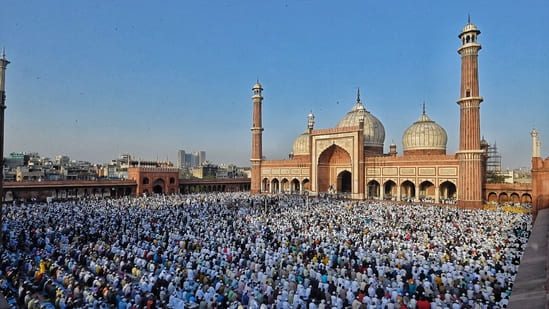
Eid ul-Fitr is a vibrant and happy celebration in both Britain and North America, showcasing the diverse array of Muslim cultures present. As the festival nears, markets are filled with elaborate henna patterns, stunning traditional outfits, and all sorts of items for those who are still shopping. On the big day itself, huge numbers of people come together in mosques, parks, and conference halls to offer prayers. Following this, families and friends reunite, swap presents, and donate. Public Eid celebrations in cities such as London and Toronto add to the festive atmosphere, with food stalls, carnival rides, and cultural performances bringing the community together. Even though it’s not an official public holiday, many Muslims take time off to partake in the festivities, with some schools and workplaces offering accommodations. 

How do you celebrate Eid ul fitr if in an Arab country?

Eid ul-Fitr is a special time across Arab nations, marked by family coming together, incredible generosity, and happy traditions. The first day begins with the Eid prayer, a time when communities unite in mosques or open areas to give thanks. Following these prayers, families unite for festive meals and special sweets prepared just for Eid. A beloved custom is Eidiya (عيدية), where elders generously give money to children and younger relatives as a sign of love and blessings. The festivities go on with visits to relatives, gift exchanges, and welcoming guests, strengthening family and community ties. Throughout the day, charity and a spirit of generosity are at the heart of it all, making sure everyone, including those in need, can enjoy the happiness of Eid.

Eid ul-fitr during the time of the Prophet Muhammad

The very first Eid celebrations trace back to the time of Prophet Muhammad (peace be upon him), around 624 AD, following the pivotal victory at the Battle of Badr, a major win for the early Muslim community. His Sunnah leads us to know that:

  • Eid is meant to be a day when we come together as one, filled with happiness and a generous spirit. 
  • It is not showing off but simple acts of kindness and modesty count for far more than great displays. 
  • The Prophet (peace be upon him) urged us to make an effort to visit our families, share food, and ensure that everyone feels included on this special day.

The Spirit of Giving & Community Bonding

Eid ul-Fitr’s spirit of giving and spreading joy is among its most lovely features. In order to ensure that nobody feels forgotten or alone, it is a time of kindness, giving, and fostering social bonds.

Muslims around the world embrace this spirit in many ways:

  • Greeting relatives and exchanging warm greetings: The phrase “Eid Mubarak” (Blessed Eid) is exchanged with affection between relatives, friends, neighbors, and even strangers as a symbol of oneness and peace. 
  • Giving gifts to children and the needy: Gifts are given by most families, and elder members typically give Eidi (gift money) to juniors as a sign of love. 
  • Hosting or attending Eid gatherings: Homes are filled with laughter and delicious food as families and friends come together for grand feasts and celebrations.  
  • Charity giving: Eid is all about acts of kindness. Numerous Muslims take it a step further by feeding the poor, donating, or going to visit the sick and elderly. The aim is to make sure that everyone, no matter their financial situation, can join in the celebration of Eid. 
  • Reconnecting: Eid is also a time for forgiveness. Many people use this occasion to mend relationships, apologize for past misunderstandings, and strengthen bonds with their loved ones.

Eid Prayer & Morning Rituals

The day of Eid begins early, filled with beautiful rituals that reflect gratitude and faith.

Sunnah Practices on Eid Morning:

  • Taking a bath (ghusl) prior to the prayer.
  • Wearing the newest or finest clothing.
  • Before going to the mosque, eat some dates.
  • Praising Allah by saying “Allahu Akbar, Allahu Akbar (Takbir).
  • Performing the special Eid prayer in large congregations.

The Eid Prayer: how to do eid al fitr prayer

Muslims gather at mosques or public places for a unique Eid prayer, which is two units of prayer (rak’ahs) followed by a sermon. This prayer reinforces the solidarity of faith and community.

Noor Institute: Learn Islam beyond Eid

Eid ul-Fitr is a time to celebrate faith, but understanding Islam is a lifelong journey. Noor Institute opens a special door to enrich your understanding of Islam with well-crafted classes covering Islamic studies, Quran recitation, and the Arabic language.  With flexible online islamic courses, you can form a more profound bond with your faith, a clearer insight into the Quran, and a greater respect for Islamic customs. By making religious learning both accessible and engaging, Noor Institute helps ensure that exploring Islam becomes a constant and rewarding adventure, extending far beyond the festive season.

Conclusion 

Eid ul-Fitr is a time of faith, thankfulness, and solidarity that unites Muslims worldwide. It is more than just a holiday. Even though customs differ, the essence of Eid is always the same: feasts, prayers, charitable deeds, and joyful gatherings that foster community and faith. Understanding how do muslims celebrate Eid ul-Fitr across different cultures reveals the festival’s rich diversity while emphasizing its universal values of togetherness, generosity, and family.

Frequently asked questions 

  • When is Eid ul-fitr 2025?

​Eid ul-Fitr in 2025 is expected to be celebrated on Sunday, March 30, 2025, subject to the sighting of the moon.

  • Is there an Eid holiday in the UK?

In the United Kingdom, Eid ul-Fitr is not a public holiday; businesses and schools typically operate as usual.

Ramadan facts for children

Ramadan facts for children: Inspiring young minds

Each year, Muslims worldwide celebrate Ramadan, a special month focused on fasting, prayer, and helping others. It’s a time of reflection, self-control, and generosity, with families uniting to deepen their faith and assist those less fortunate.  But how to explain to kids what makes Ramadan so significant? The interesting Ramadan facts for kids found here will help them grasp why so many people abstain from food and drink from dawn till dusk, rise before the sun for Suhoor, and gather for Iftar to break their fast. Along the way, they’ll understand valuable lessons about patience, thankfulness, and kindness, shaping their understanding of faith, community, and the joy of giving.

Ramadan explained for kids: simple and easy way

In the Islamic calendar, Ramadan is a unique month when Muslims worldwide emphasize self-control, kindness, and faith. It is a time for fasting from sunrise to sunset, but it is also about much more than just food. Families gather to worship, eat together, and perform charitable activities. For children, Ramadan offers an enjoyable and significant opportunity to learn about patience, giving, and thankfulness. Ramadan imparts valuable life lessons through storytelling, charitable giving, and celebration with loved ones.

Ramadan facts for children: what happens during Ramadan 

Ramadan is a holy and special month for Muslim people all around the world. It is a month of prayer, fasting, and reflection. But what actually happens during Ramadan?

Ramadan information for kids so they can learn more about this special month:

  • Fasting (Sawm): Many Muslims refrain from eating or drinking during the day in Ramadan, fasting from dawn to sunset. However, fasting is not required for elderly people, sick people, or young children.

  • Suhoor (Pre-Dawn Meal): Before fasting begins, families rise early to eat a meal called Suhoor so that they will be energized throughout the day.

  • Iftar (Breaking the Fast): Families break their fast at sunset by eating a meal called Iftar, traditionally starting with water and dates, followed by a main meal.

  • Prayer and Worship: Muslims typically pray five prayers each day, and during Ramadan, many also attend the mosque for extra nightly prayers known as Taraweeh.

  • Acts of Kindness: Throughout Ramadan, Muslims engage in acts of charity, such as assisting others, giving to the needy (Zakat), and showing compassion to family and friends.

  • Reading the Quran: Ramadan is a period when many Muslims dedicate time to reading and contemplating the Quran.

  • Eid al-Fitr Celebration: Ramadan concludes with a festive celebration called Eid al-Fitr, a joyous occasion where families come together, savor delightful feasts, exchange presents, and share joy with their dear ones.

Fun Ramadan activities to teach kids about fasting 

To explain what is ramadan for kids, teaching them the meaning of fast it is important to use fun ways as children respond better to activities and playing.

  • Storytelling 

One of the easiest ways to explain the history of Ramadan to children is through storytelling. It is simple for parents to share basic stories about how Ramadan started, why fasting is important, and what it teaches. Through picture books, and cartoons, it becomes easier to understand islamic teachings for kids.

  • Ramadan Countdown Calendar

Create a Ramadan calendar where kids can mark each day until Eid al-Fitr. To keep children enthusiastic about the month, they can write a nice deed they did, add a sticker, or get a small surprise every day.

  • Mini-Fasting Challenge

Since young children aren’t required to fast, they can try fasting for a couple of hours or skip snacks between meals to get a little taste of what it’s like to fast.

  • Ramadan Arts & Crafts

Get kids excited about making Ramadan crafts like lanterns, moon and star decorations, or even a fasting-themed coloring book. It’s a fun way for them to learn and unleash their creativity while grasping why this month is so special.

  • Cooking Iftar Together

Get the kids involved in preparing Iftar by having them help with easy recipes or setting the table. It’s a great way for them to feel part of the family and learn the value of sharing meals together.

  • Sadaqah Jar

Ramadan is all about giving and helping others, so start a Sadaqah Jar where children can put in small amounts of money to help the less fortunate. At the end of Ramadan, they can donate the money they’ve saved to those in need, fostering a spirit of generosity and kindness.

Explaining the importance of Ramadan for kids

Ramadan is one of the most special and meaningful months in Islam. It teaches children important values that help shape their character. 

  • Self-discipline and patience:Fasting makes Muslims show self-discipline and determination, proving that they can hold on even in the face of difficulties.

  • Gratitude and appreciation: Being hungry, even if for a short time, makes one appreciate the things that one possesses, such as food, water, and family.

  • Generosity and kindness:Ramadan inspires us to help others, donate to charity, and share with those who are less fortunate.

  • Spiritual growth: During this time, Muslims concentrate on prayer, reading the Quran, and striving to become better individuals by enhancing their actions and thoughts.

Learn about Islam the easy way with Noor Institute 

Noor Institute provides a range of interactive and enjoyable learning approaches, including online classes, to help children establish a strong connection with their faith while having a fun learning experience. Kids can delve into subjects like Islamic history, Islamic ethics, and Aqidah, acquiring valuable knowledge in a straightforward and engaging manner. Committed to offering Islamic studies that are accessible and enjoyable, Noor Institute also offers the best online Quran classes for kids so they can attain a thorough comprehension of their religion with confidence and enthusiasm.

Enroll your kid today to offer them a captivating and engaging way of learning Islam.

How to perform taraweeh in Ramadan

How to perform taraweeh in Ramadan?

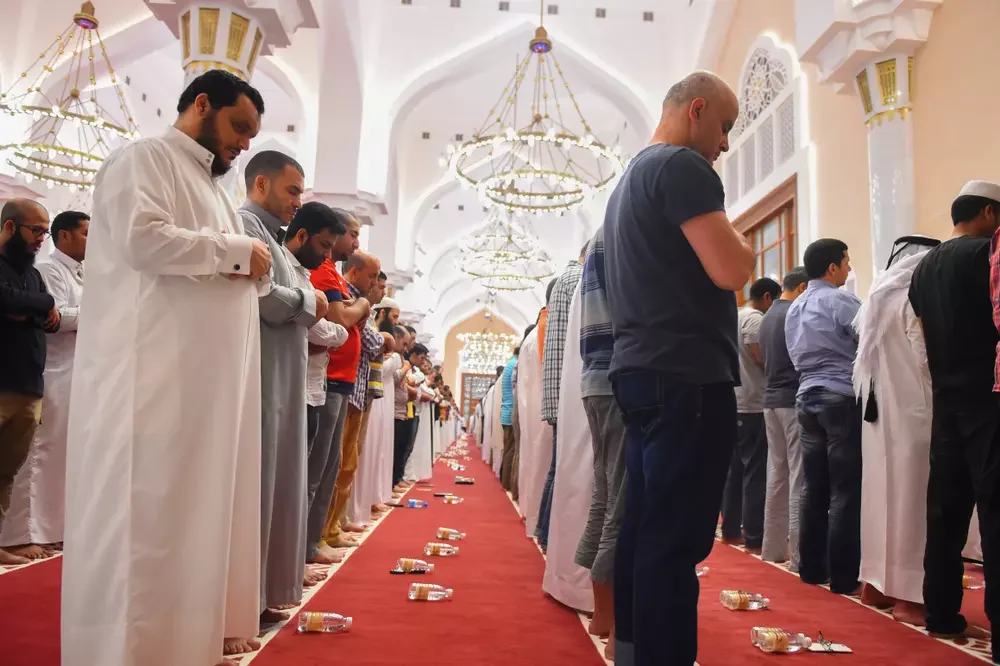
Ramadan is a time of spiritual renewal, deep reflection, and drawing closer to Allah. It is a month where the gates of mercy are opened, sins are forgiven, and prayers hold greater rewards. Among the most cherished acts of worship during this holy month is Taraweeh prayer, a special night prayer that offers peace, purification, and a connection with the Quran. The Prophet Muhammad (peace be upon him) was known for his dedication to worship during Ramadan, increasing his prayers, charity, and devotion. He used to pray Taraweeh as part of Qiyam al-Layl, showing his followers how to perform Taraweeh in the best manner. Initially, he led his companions in congregation but later continued it individually, fearing it might become obligatory upon the believers.

Whether performed in congregation at the mosque or in the comfort of your home, learning how is taraweeh prayer performed correctly allows every Muslim to maximize their spiritual rewards in Ramadan

What is taraweeh prayer?

Taraweeh is a form of Qiyam al-Layl (night prayer) performed exclusively during Ramadan. The term “Taraweeh” comes from the Arabic root word “Raaha” (to rest or relax) because it includes short pauses between sets of prayers. Taraweeh is performed after the Isha prayer and before Witr.

The Prophet Muhammad (peace be upon him) encouraged its observance, saying:
“Whoever stands (for prayer) in Ramadan with faith and seeking reward, his past sins will be forgiven.” (Sahih al-Bukhari, Hadith 37)

Understanding the ruling of taraweeh in Islam

While it is not an obligatory act of worship, it is considered a highly recommended Sunnah (Sunnah Mu’akkadah), meaning that performing it brings great rewards, but skipping it does not incur sin.

The Prophet Muhammad (peace be upon him) himself prayed Taraweeh in congregation for a few nights, but then he stopped leading it publicly, fearing that people might assume it was obligatory (Fardh). This shows that Taraweeh was left as a voluntary yet highly rewarding act of worship.

Taraweeh then became a communal tradition, how? After the passing of the Prophet (peace be upon him), the prayer remained a personal act of worship until the time of Caliph Umar ibn al-Khattab (RA). Upon observing that some people were praying Taraweeh alone while others prayed in small groups, he decided to unify them under one Imam, reviving it as a communal practice in mosques. This decision established the modern practice of Taraweeh, where Muslims gather in mosques worldwide to pray in congregation.

Why is taraweeh significant in Ramadan?

Taraweeh prayer is deeply significant in Ramadan, offering numerous spiritual, mental, and physical benefits.

Key reasons why Taraweeh is an essential act of worship during Ramadan:

  • Strengthening the Connection with Allah (SWT)

A time for deep spiritual reflection and renewal, allowing Muslims to seek forgiveness and blessings while fulfilling the Sunnah of the Prophet (peace be upon him). It also encourages consistency in Qiyam al-Layl (night prayers).

  • Developing Focus, Discipline, and Patience

This practice requires commitment and dedication, helping believers cultivate self-discipline and mindfulness. It encourages effective time management, ensuring a balance between worship, daily responsibilities, and personal commitments.

  • Strengthening the Muslim Community

Taraweeh prayer is a unique opportunity to foster unity and brotherhood, as Muslims come together in congregational prayer at mosques. It encourages social bonds among worshippers, reinforcing a shared sense of faith and devotion. The collective atmosphere of Taraweeh enhances the spiritual experience, reminding believers of the importance of community in Islam.

  • Increasing Engagement with the Quran

A means of deepening the connection with the words of Allah (SWT), as many strive to complete the recitation of the Quran during Ramadan. Whether through listening to the Imam’s recitation or reading individually, Taraweeh allows Muslims to reflect on divine guidance and strengthen their understanding of Islamic teachings.

Taraweeh in congregation vs. alone

Taraweeh can be performed both in congregation at the mosque or individually at home, each offering unique benefits. Praying in congregation allows worshippers to experience the spiritual energy of communal prayer, fostering a sense of unity and strengthening ties within the Muslim community. It also provides an opportunity to listen to the Quran being recited by an Imam, which can enhance one’s understanding and engagement with its meanings. 

On the other hand, praying Taraweeh alone offers flexibility, allowing individuals to pray at their own pace and reflect deeply on their recitation. This can be particularly beneficial for those who prefer a more personal form of worship. While both options are valid and rewarding, many scholars encourage praying in congregation when possible, as it revives the Sunnah of the Prophet (peace be upon him) and carries the added benefit of standing together in devotion. 

How can a woman pray taraweeh at home?

Women praying Taraweeh at home follow the same method as they do for other prayers, with the key consideration being the number of raka’at. Taraweeh is performed in sets of two raka’at, meaning a woman can pray two raka’at, followed by another two, and continue in this manner for as many raka’at as she wishes. There is no fixed number, but it is common to pray eight or twenty raka’at, followed by Witr prayer. Praying at home allows women to set their own pace, recite from the Quran at their comfort, and engage in personal reflection and supplication. 

How to perform taraweeh at home: number of raka’at

​The number of raka’at (units of prayer) in Taraweeh has been a subject of discussion among scholars, leading to varying practices:​

  • Eight Raka’at: Some traditions indicate that the Prophet Muhammad (peace be upon him) performed eight raka’at for Taraweeh. This practice is supported by certain narrations and is followed by some communities.​ 
  • Twenty Raka’at: During the caliphate of Umar ibn al-Khattab (may Allah be pleased with him), the practice of performing twenty raka’at in congregation was established. This became a common tradition in many parts of the Muslim world and is upheld by various Islamic schools of thought.

How is taraweeh prayer performed? Things to consider

  • Time of Prayer: Taraweeh is performed after Isha prayer and continues until before Fajr. Many choose to pray it immediately after Isha, while others delay it to later in the night. 
  • Number of Raka’at: There is no fixed number of raka’at, and scholarly opinions vary. Some narrations mention eight raka’at, while others support twelve or twenty raka’at. The key is to pray in sets of two raka’at and follow it with Witr prayer. 
  • Praying in Congregation or Alone: Taraweeh can be performed individually at home or in congregation at the mosque. Praying in congregation is a well-established tradition that enhances the spiritual atmosphere, while praying at home offers flexibility and personal reflection. 
  • Recitation of the Quran: The Quran is recited during Taraweeh, with many mosques completing one Juz’ per night to finish the entire Quran in Ramadan. Those praying at home can recite from memory or hold a Mushaf (Quran) while praying. 
  • Pace and Focus: Taraweeh is meant to be prayed with devotion, so it’s recommended to maintain a balanced and mindful pace.

How to perform taraweeh step by step?

  1. Prepare for Prayer by Performing Wudu (ablution) to be in a state of purity, wearing clean and modest clothing suitable for prayer, and finding a quiet and comfortable space to pray, free from distractions. 
  2. Quietly make the intention in your heart to pray Taraweeh and start the prayer, taking the normal correct position of praying. 
  3. Recite Surah Al-Fatiha (The Opening Chapter of the Quran), then recite any short or long Surah from the Quran. 
  4. Perform Ruku (Bowing Position) by saying “Allahu Akbar” and bowing into Ruku. As you bow, say “Subha Rabby al-Azeem” and repeat it three times. 
  5. Then, stand back up, and as you do, say “Samia Allah li mn hamid” (Allah hears those who praise Him). After that, say “Rabbana w laka al-hamd” (oh allah, all praise belongs to You) 
  6. Perform Sujood (Prostration) by saying “Allahu Akbar” and going into Sujood. Recite “Subhana Rabbiyal A’la” three times. 
  7. Sit briefly, then perform a second Sujood, repeating the same recitation. 
  8. Stand up for the second raka’ah, take the beginning position and repeat Steps 3-6. 
  9. After completing the second raka’ah, sit and recite Tashahhud (At-Tahiyyat). Finish by turning your head to the right, saying “Assalamu Alaikum wa Rahmatullah,” then to the left, repeating “Assalamu Alaikum wa Rahmatullah. 
  10. To continue with more raka’at (e.g., 8, 12, or 20), stand up and repeat from Step 2

Note that you need to pray the 4 rakat of Ishaa before praying taraweeh.

Mistakes to avoid in taraweeh prayer

  • Rushing through the prayer: Performing Taraweeh too quickly reduces focus and spiritual benefit. It should be prayed with calmness and devotion. 
  • Skipping Isha prayer: Taraweeh is only valid after completing Isha; skipping it invalidates the prayer. 
  • Neglecting Tajweed and Quran recitation rules: If reciting from memory, ensure correct pronunciation and recitation of Surahs. To avoid this, you can join Noor Institute’s online islamic courses that are designed to teach you correct recitation and tajweed, ensuring you recite smoothly and correctly. 
  • Not praying in sets of two raka’at: Taraweeh should always be prayed in units of two raka’at. 
  • Skipping Witr prayer: Witr is strongly recommended after Taraweeh and should not be neglected.

Holding the Quran while praying taraweeh

There are different opinions among scholars regarding holding the Quran while performing Taraweeh prayer, especially for those who do not have much of the Quran memorized.

According to the Hanbali, Maliki, and Shafi’i schools of thought, it is permissible to hold a copy of the Quran (Mushaf) during voluntary prayers, including Taraweeh. This also applies to digital copies on mobile devices or tablets. Even an Imam leading the prayer is allowed to hold the Quran while reciting.

The Shafi’i school emphasizes that while holding the Quran, excessive movement should be avoided, as too much movement could invalidate the prayer.

There is also a difference of opinion within the Hanafi school. Some Hanafi scholars state that holding the Quran while praying is impermissible, while others consider it permissible but disliked (Makruh).

What duaa to recite after taraweeh?

There is no specific du’a that must be recited after completing Taraweeh prayer. However, Muslims are encouraged to make any supplication of their choice. This can include du’as from the Quran or Du’as from the Sunnah, such as seeking forgiveness, mercy, and guidance.

A typical prayer you might say after Tarawih is: “Rabbana atina fi al-donya hasanah wa fi al-akhirah hasanah wa qina ‘azab al-nar” this means, “Our Lord, give us what is good in this world and what is good in the Hereafter, and save us from the punishment of the Fire” (from the Surah Al-Baqarah).

5 creative ways to engage kids in taraweeh prayer

  1. Create a special prayer space: Set up a designated prayer area at home with colorful prayer mats, lanterns, and decorations to make it feel inviting and exciting for children.
  2. Use storytelling to teach about Taraweeh: Share inspiring stories about the Prophet (peace be upon him) and the importance of Taraweeh to help children understand its significance in a fun and engaging way.
  3. Introduce a reward system: Motivate kids by using sticker charts, small treats, or verbal encouragement after completing a set number of raka’at to make prayer feel like an achievement.
  4. Encourage participation in recitation: Let kids recite short surahs they have memorized or follow along in a Mushaf to keep them engaged and involved in the prayer.
  5. Keep the prayer short and flexible: Start with a few raka’at and gradually increase, allowing breaks if needed to ensure they enjoy the experience without feeling overwhelmed.

Quran recitation plan for taraweeh in Ramadan

One effective approach is to recite one-fifth of a Hizb (approximately one page) in each raka’ah. This method ensures a balanced pace, allowing the completion of one full Juz’ per night when praying twenty raka’at. Since a Juz’ consists of eight Hizb, reciting a quarter of a Hizb per raka’ah would complete a Juz’ in only eight raka’at. If praying twelve raka’at, this method would result in completing one and a half Juz’ per night. To guarantee that you finish the Quran in 30 days, you can modify the length of the recitation for each raka’ah according to the number of raka’at you offer. This approach maintains spiritual engagement while allowing for meaningful reflection on the Quran’s verses throughout the blessed month.

Gain authentic Islamic teachings with Noor Institute

Noor Institute is a beacon of authentic Islamic education, dedicated to providing profound and comprehensive learning experiences rooted in the Quran and Sunnah. The institute boasts a team of exceptionally skilled scholars and teachers, delivering well-organized online courses in Tajweed, Tafsir, Fiqh, and Arabic. This ensures students gain a thorough and practical grasp of Islamic teachings. Skillfully merging timeless knowledge with contemporary teaching approaches, Noor Institute makes learning both easy to access and captivating. It caters to learners of all stages, whether they’re laying a solid foundation or furthering their studies. Dedicated to authenticity and trustworthiness, the institute paves a clear path for spiritual development and a more profound understanding of Islam.

Conclusion

Understanding how to perform Taraweeh allows Muslims to make the most of Ramadan’s spiritual blessings. Whether praying at home or in congregation, Taraweeh serves as a powerful way to seek forgiveness, strengthen faith, and engage with the Quran. By following a structured approach, ensuring sincerity in prayer, and maintaining focus, believers can experience the true essence of Taraweeh during this blessed month.

For those seeking to enhance their understanding of Islamic teachings, Noor Institute provides a structured and authentic learning experience. With expert scholars offering courses in various branches of Islamic knowledge, it helps students of all levels deepen their connection to Islam. Whether you are looking to enhance your Quran recitation or gain a comprehensive understanding of Islamic practices, Noor Institute is your trusted guide on this journey of spiritual growth.

Sign up for Noor Institute’s online courses to master tajweed, tafsir, and more.

Frequently asked questions 

  • If I missed a couple raka’at during taraweeh, can I pray witr with the imam and finish the rest of taraweeh afterwards?

Yes, you can pray Witr with the imam and then complete the missed Taraweeh raka’at afterward. However, if you prefer, you can delay Witr and pray it at the end of your personal Taraweeh.


  • Is Taraweeh 8 or 20 raka’at?

Both are correct. There is no fixed number, and both opinions exist based on different traditions. Some follow the practice of 8 raka’at with the Prophet ﷺ, while others follow the 20 raka’at established in Islamic history.

What is zakat al fitr

What is zakat al fitr: understanding key islamic obligations

Zakat al-Fitr is more than an obligation; it is an expression of compassion, gratitude, and unity. It ensures that every Muslim, regardless of their circumstances, can celebrate Eid al-Fitr with dignity and joy. Unlike other forms of charity, this special act of giving is deeply connected to the soul, serving as a means of purifying one’s fast while uplifting those in need. Understanding what is zakat al-fitr allows us to see it not just as a duty, but as a powerful reminder of the generosity and communal spirit that Islam so beautifully nurtures.

Understanding what is zakat al fitr in Islam

Zakat al-Fitr, also known as Sadaqat al-Fitr, is a form of charity that is obligatory for every Muslim, male or female, who has the financial means to give. It is a mandatory donation that must be given before Eid al-Fitr to help those in need and to purify the giver’s wealth.

This duty applies to any Muslim whose total assets plus non-essential items, and after deducting liabilities (debts), reach or exceed the required amount for zakat.

Additionally, a father or the head of the household is responsible for paying Zakat al-Fitr on behalf of their young children if they do not possess enough wealth to give it themselves. However, if a child has their own wealth meeting the required amount, they should pay their own Zakat al-Fitr

The difference between Zakat and Zakat al-Fitr

Normal zakat and zakat al-fitr differ in amount, time of paying and eligibility.

What is zakat in Ramadan?

Zakat is a form of charity and one of the Five Pillars of Islam, established through the Qur’an, Sunnah, and scholarly consensus. It is a specific amount of wealth that must be given to the poor and those in need, under certain conditions.

Zakat is obligatory for those who meet the required conditions and possess the minimum amount of wealth (Nisab). It is collected from the wealthy and distributed among eligible recipients.

During Ramadan, many Muslims choose to give their Zakat, as this blessed month emphasizes generosity and compassion, and the rewards for good deeds are multiplied.

Since Zakat is deeply rooted in the Qur’an, enrolling in Quran online classes can help you gain a deeper understanding of its significance, ensuring you fulfill this obligation with knowledge and sincerity.

Key differences between zakat and zakat al-fitr

  • Eligibility: One key difference between Zakat and Zakat al-Fitr is eligibility. Zakat is only required for those whose wealth exceeds the Nisab (minimum amount), whereas Zakat al-Fitr must be paid by all Muslims, regardless of age, as long as they have the financial means. However, if a person genuinely does not have enough wealth to meet the required amount, they are exempt and may even be eligible to receive Zakat al-Fitr or Zakat themselves.

  • Amount: The amount of zakat al-fitr is significantly less than zakat as it is meant to be paid by all muslims. The amount varies by region, but it is generally equivalent to the cost of a staple food item. In contrast, if a person’s wealth satisfies the necessary minimum quantity (Nisab) and has been retained for a full lunar year, Zakat is computed as 2.5% of their net savings, which includes cash, gold, silver, and investments.

  • Timing: The third key difference between Zakat and Zakat al-Fitr is their due date. Zakat is an annual obligation and becomes due once a Muslim’s wealth has met the required amount (Nisab) for a full lunar year. Each person has their own ‘Zakat anniversary’ based on when their wealth first met the Nisab. In contrast, Zakat al-Fitr is directly linked to Ramadan and must be paid before the Eid al-Fitr prayer. Unlike Zakat, which has flexibility in timing, Zakat al-Fitr has a strict deadline that all Muslims must follow.

What is the rule of zakat al-fitr?

Zakat al-Fitr is a mandatory charity that every Muslim must pay before Eid al-Fitr, provided they have the financial means to do so. It is an obligatory act of worship and one of the Islamic duties associated with Ramadan.

  • Time

Zakat al-Fitr becomes obligatory at sunset on the final day of Ramadan. Anyone who is alive and financially capable at that time must pay it. If someone gets married, has a child, or converts to Islam before the sun sets, they must also pay Zakat al-Fitr for themselves and their new dependents. However, if these events occur after sunset, they are not required to pay it for that year. If a person passes away after sunset, their Zakat al-Fitr must still be paid on their behalf.

The payment of Zakat al-Fitr should be made before the Eid prayer. According to the words of Prophet Muhammad in hadith. If paid after the Eid prayer, it won’t be considered as Zakat al-Fitr but an ordinary voluntary charity (sadaqah). For it to reach needy ones in time, giving it one or two days before Eid is permissible.

  • Types

Zakat al-Fitr should be given as the usual staple food in the area. The Prophet Muhammad (peace be upon him) specified one saa’ of food like dates, wheat, barley, raisins, or dried yogurt (aqit) (Al-Bukhari, 1408). Scholars have since broadened this to include other staple foods such as rice, corn, or lentils, to make sure it gives nourishment to those who need it.

Some items are not valid for Zakat al-Fitr, such as meat, fish, eggs, and perishable foods, as they are not stable long-term sources of nourishment. Additionally, food that is not a regional staple is generally not accepted.

  • Calculation 

Zakat al-Fitr requires one saa’, a volume-based metric that dates back to the Prophet’s time. Since food densities vary, a saa’ is approximately 2.5 to 3 kg of staple food. Food providers need to make sure the right weight is reached.

If you’re giving money (where it’s permitted), the amount should be equivalent to the price of one saa’ of basic food in the local market. Since food prices vary, it is advisable to consult local Islamic authorities or mosques for the recommended value.

Why do people pay sadaqat al-fitr?

Benefits of paying zakat: 

  • Cleanses the fasting person from idle talk and foul speech during Ramadan.
  • Serves as an act of worship, seeking Allah’s forgiveness and mercy.
  • Ensures that those in need can enjoy Eid without hardship.
  • Encourages Muslims to give charity and care for others.
  • Strengthens compassion and social responsibility within the community.
  • Reduces poverty and bridges the gap between rich and poor.
  • Strengthens social bonds by fostering harmony and mutual care.
  • Considered an investment in the hereafter, earning Allah’s favor.
  • Helps build gratitude and appreciation for one’s own blessings.

The proper way to fulfill sadaqat al-fitr

The Prophet Muhammad (peace be upon him) said, “Muslims must pay Zakat al-Fitr for themselves and all members of their household, including infants and young children.”

Before donating Zakat al-Fitr, one should determine first how much to give. The donation is either in kind as food or cash equivalent and typically equal to a day’s supply of food for one person. It is highly recommended that Zakat al-Fitr is given before Eid al-Fitr so the poor can use it during the celebration.

Zakat al-fitr distribution: rules and best practices

It is advised that the individual giving Zakat al-Fitr distribute it himself instead of depending on a collector. Al-Shaafa said, “I would prefer to distribute Zakat al-Fitr myself rather than give it to the person collecting it.”. Al-Majmoo, section 6

Al-Nawawi (may Allah be merciful to him) upheld this view, stating that while it is permissible to give Zakat al-Fitr to the collector or Muslim authority responsible for its distribution, it is better for the individual to distribute it himself, particularly to relatives who are needy but not dependent.

If someone can’t hand out their Zakat al-Fitr personally, they’re allowed to ask a reliable person to do it for them. But, it’s a bad idea to give it to someone you can’t trust, or just leave it somewhere random. Ibn Abi Mulaykah even warned against this, as there’s a chance it might not get distributed the right way.

Where to distribute zakat al-fitr?

Zakat al-Fitr should be given out in the same country where you become obligated to pay it, even if your wealth is somewhere else. As Ibn Qudaamah (may Allah have mercy on him) pointed out, this duty is connected to where you are, not where your money is. Imam Maalik agreed, saying that if you’re traveling, you should still give your Zakat al-Fitr where you are on Eid day. But it’s also acceptable if your family back home handles it for you. This way, the poor and needy where you are can benefit, which is the whole point of Zakat al-Fitr.

Ruling on giving zakat al-fitr in cash

The ruling on giving Zakat al-Fitr in cash is a subject of scholarly debate. The majority of scholars, including those from the Maliki, Shafi’i, and Hanbali schools, hold that Zakat al-Fitr should be given in the form of staple food, just like the Prophet Muhammad (peace be upon him) did. They argue that the primary purpose of this charity is to provide food for the needy on the day of Eid, ensuring that no one goes hungry. However, the Hanafi school permits giving Zakat al-Fitr in cash, reasoning that monetary assistance may sometimes be more beneficial for the poor, allowing them to buy what they need most. Some contemporary scholars and fatwas also support this view, especially in societies where food distribution is less practical. Ultimately, while the safest option is to follow the traditional method of giving food, giving cash may be acceptable in cases where it better serves the needs of the recipients.

How to expand and strengthen your Islamic knowledge

Gaining a deeper understanding of Islam is a lifelong journey that enriches the heart and mind, bringing one closer to Allah. Among the best ways to increase your knowledge about Islam are authentic and well-organized educational programs.

This is where Noor Institute comes in. They offer complete online Islamic courses designed to help everyone, no matter their background, dive deeper into studies of the Qur’an, Hadith, Fiqh, Tafsir, the Arabic language, and so much more. Their courses are crafted to suit students at various levels, providing a dynamic and engaging learning journey with seasoned scholars and instructors. The convenience of online learning allows students to study at their own pace, access high-quality Islamic education from anywhere in the world, and receive guidance from knowledgeable instructors.

By joining Noor Institute’s programs, you can enhance your understanding of Islamic principles, strengthen your bond with the Qur’an, and learn how to apply Islamic teachings in your life.

Conclusion

In conclusion, understanding what is Zakat al-Fitr is important to ensure it is given correctly and on time. Unlike regular Zakat, which is based on accumulated wealth, Zakat al-Fitr is a fixed amount due from every Muslim who has sufficient means, meant to purify the fast and support the needy before Eid al-Fitr. It is best given in the form of staple food or its equivalent in cash, preferably before the Eid prayer, and should be distributed locally whenever possible.

To deepen your understanding of Zakat al-Fitr and other key Islamic obligations, Noor Institute offers comprehensive islamic courses designed for learners of all levels. 

Join Noor Institute today and expand your knowledge of Islam.

Frequently asked questions

  • Is zakat al-fitr compulsory?

Yes, it is obligatory to all muslim as long as they have sufficient means beyond their basic needs.

  • How much is Zakat al-Fitr 2025 in the USA?

The Fiqh Council of North America sets its monetary equivalent at $12 per person.

  • Is it acceptable to share one sa’a among multiple recipients?

It is permissible to distribute one saa’ (a traditional unit of measure) among multiple recipients. Conversely, giving multiple saa’s to one eligible recipient is also acceptable.

What to do on laylatul qadr

What to do on laylatul qadr: 9 acts to connect with Allah

As soon as the last ten nights of Ramadan arrive, the pursuit of Laylatul Qadr begins; the night that has the potential to transform your destiny. It is a night unlike any other, one that carries the weight of a thousand months of worship. Since no one knows exactly when it falls, every single one of these nights could be the one, and the question on every believer’s mind is: What to do on Laylatul Qadr to ensure you don’t miss its blessings?

In this blog, we’ll explore 9 powerful acts of worship as answers to your question “what can I do on laylatul qadr?”

1- Remember that the night starts at Maghrib

Laylatul Qadr isn’t just about the late hours of the night; it begins as soon as the sun sets (Maghrib time). Many people make the mistake of waiting after Ishaa prayer to start their worship, forgetting that the blessings of this powerful night start at Maghrib.

Keeping this in mind helps you stay conscious of your actions from the very beginning. Use this time wisely; avoid gossip, idle talk, or anything that could diminish the rewards of this sacred night. Instead, set the tone from Maghrib by engaging in dhikr, reciting the Qur’an, and making heartfelt du’as. The entire night is an opportunity for mercy and forgiveness, so don’t fall into this mistake and never let even a moment slip away!

2- What to do on laylatul qadr? Read more Quran

Ramadan is known as the month of the Quran, and Laylatul Qadr holds an even greater connection to it as it is the very night on which the Quran was revealed. This makes reciting and reflecting on the Quran one of the most powerful acts of worship you can do. But don’t rush with pages. Alternatively, spend more time to comprehend the wisdom behind each verse, the message allah subhanah w taa’la wants to deliver. 

If possible, read with tafsir (explanation) or listen to recitations that inspire you. This is a night of guidance, mercy, and transformation, so let the Quran touch your heart. You can also join Noor Institute Quran online classes to strengthen your connection with Allah. 

3- Repeat the most powerful dua of prophet muhammad

On this blessed night, don’t miss out on one of the most powerful du’as ever taught by the Prophet Muhammad ﷺ. When Aisha (رضي الله عنها) asked him what supplication she should make on Laylatul Qadr, he didn’t give her a long or complex du’a; he gave her something simple yet deeply profound:

اللهم انك عفو كريم تحب العفو فاعف عني
“O Allah, You are the Most Forgiving, You love to pardon, so pardon me.”

This du’a carries a world of meaning. The Prophet ﷺ emphasized that the most beloved supplications to Allah are the ones that are the most comprehensive. And this du’a is exactly that, it seeks not just forgiveness but complete pardon from our sins, erasing them as if they never existed.

4- Spend in charity: give sadaqah 

The Prophet ﷺ said that nothing extends a person’s life except for Sadaqah. It can even change your decree and bring unexpected blessings into your life.

Allah ﷻ reminds us in the Quran:

“لَن تَنَالُوا الْبِرَّ حَتَّىٰ تُنفِقُوا مِمَّا تُحِبُّونَ”
“You will never achieve righteousness until you spend from that which you love.”  This verse highlights the transformative power of giving, especially from what you hold dear. 

Think about those moments when you gave Sadaqah and saw an immediate reward; a problem unexpectedly resolved, a hardship lifted, or a door of goodness opened. 

We also have the following hadith emphasizing the role of sadaqah

“دَاوُوا مَرضاكُم بِالصَّدَقاتِ”
“Treat your sick ones with charity.”

Sadaqah heals, protects, and brings barakah into your life. On Laylatul Qadr, when rewards are multiplied beyond measure, let your generosity flow!

5- Escape from T.V and social media

Ramadan comes just once a year, yet many people spend hours watching Ramadan TV shows and scrolling through social media. But in these final ten precious nights, especially Laylatul Qadr, it’s time to step away from distractions.

Imagine this: one night, better than a thousand months; 83 years of worship in a single night! Can you really afford to trade such immense rewards for a few episodes of a series or endless scrolling? Instead, turn your heart to Allah. Dedicate your time and soul to Ibadah, du’a, and reflection. The world of entertainment will always be there, but this opportunity is once a year and you may not get another.

6- Pray Qiyam

One of the most powerful and rewarding acts of worship on Laylatul Qadr is praying Qiyam (night prayer). The Prophet ﷺ said:

“Whoever prays Qiyam with the Imam until he finishes, Allah will record for him the reward of praying the entire night.” This means that even if you don’t stay awake all night, simply praying with the Imam from the start of their Qiyam until the end could earn you the reward of worshiping the entire night.

7- Pray Ishaa in Jama’ah

One of the easiest yet most rewarding acts on Laylatul Qadr is to pray Isha in congregation. The Prophet Muhammad said:

“Whoever prays Salat al-Isha in congregation, Allah will record for them the reward of spending the first half of the night in prayer. And whoever prays Salat al-Fajr in congregation, Allah will record for them the second half of the night in prayer.”

This means that by simply praying Isha and Fajr in Jama’ah, you are guaranteed the reward of worshiping the entire night, even if you’re unable to stay awake!

Let this encourage you to prioritize Isha in the masjid, standing alongside fellow believers, fully present in your Salah.

8- Engage in dhikr and spiritual deeds

One of the most beautiful descriptions of the Prophet during the last ten nights of Ramadan is that he would “give life to the night.” His nights were not spent in heedlessness or sleep; instead, they were alive with worship, remembrance, and devotion. He would also wake up his family, ensuring that they, too, shared in these spiritual moments and the immense blessings of Laylatul Qadr.

He ﷺ also said:
“Do not turn your homes into graveyards.”

This means that dhikr not only brings life to our hearts but also to the spaces around us. Every moment of Laylatul Qadr is precious, and engaging in dhikr ensures that we maximize every second of this sacred night.

Imam Al-Shafi’i observed that the companions of the Prophet ﷺ each had their own way of giving life to the night; some through extra prayer, others by reciting the Qur’an, making heartfelt du’a, or even spending the night giving in charity.

9- Do Itekaf if possible

And i’tikaf doesn’t only mean sitting in masjid all day long, but still connected to everything, holding your phone, socializing. No, i’tikaf means to disconnect from everything and everyone and be connected only to Alla and his words. 

Even if you’re unable to do physical I’tikaf due to personal circumstances or restrictions, don’t let yourself get lost in distractions during these last ten nights. Create your own “spiritual retreat” at home. Turn off your devices, step away from social interactions, and dedicate your time solely to worship, reflection, and du’a.

The essence of I’tikaf is seclusion with Allah. Whether in a masjid or at home, use these nights to detach from the world and attach your heart to the One who matters most.

Discover, learn, and grow with Noor Institute

The Noor Institute provides a special chance for anyone, regardless of their background or age, to strengthen their bond with the Quran and the teachings of Islam. With engaging, interactive online Islamic courses, the Institute provides a structured but adaptable approach to learning, personal growth, and putting Islamic knowledge into practice in everyday life.

Utilizing contemporary technology and under the guidance of expert instructors, this Institute guarantees a life-changing learning journey, making Islamic education available, engaging, and rewarding for everyone.

Conclusion 

The last ten nights of Ramadan are a golden opportunity for every believer, and knowing what to do on Laylatul Qadr can make all the difference in maximizing its blessings. Whether through prayer, dhikr, charity, or reciting the Qur’an, every moment spent in worship on this sacred night carries rewards beyond a thousand months.

At Noor Institute, we are committed to helping you deepen your understanding of the Qur’an and strengthen your connection to Islam through expertly designed online courses. 

As you strive to make the most of Laylatul Qadr, let your pursuit of knowledge continue beyond Ramadan. Noor Institute is here to support your journey with expertly designed online courses. Continue your journey of faith and strengthen your connection with the Qur’an. Join Noor Institute today!

Frequently asked questions

  • What happens on laylatul qadr?

Laylatul Qadr is a night of immense mercy, divine decree, and unmatched blessings. On this night, Allah looks upon His creation, and we ask that what He sees from us is pleasing to Him. It is the night when the Qur’an was first revealed, and the destiny of the coming year is decreed. Angels descend in abundance, filling the earth with peace and tranquility, and sincere worship is rewarded greater than a thousand months. This is a night of forgiveness, guidance, and closeness to Allah.

  • When is laylatul qadr 2025?

The exact time is unknown as Allah has intentionally kept it hidden so that believers strive in worship throughout the last ten nights of Ramadan. Every odd night (21, 23, 25, 27, 29) have potential to be the night of decree. So you need to spend the last 10 days fully dedicated to acts of worship as if it could be laylatul qadr.

  • What are the signs of laylatul qadr?

Some signs include:
– calm night with no no extreme heat, cold, or strong winds and with clear sky
– the next morning following the night has nice weather and the sun rays are warm and mild.

  • what to do during laylatul qadr

The best things to do is to engage in good deeds like praying extra, reading quran, giving charity.