Category: blog

How to teach a child the Quran at home

How Can UK Muslim Kids Learn Quran At Home?

Learn how UK Muslim kids can study Quran at home, Teaching the Quran to our children is one of the greatest investments we can make, not only for their spiritual growth but for their entire life. However, many parents aren’t quite sure how to teach Quran for kids in a way that’s both effective and engaging. It’s no secret that teaching children can be challenging, especially when it comes to something as sacred as the Quran.

Kids need special approaches, and we understand that. That’s why we’ve prepared some of the most effective methods and expert tips to help you, as parents, navigate this journey and raise children who truly love and value the Quran.

1- Build a strong foundation

Starting early is key when teaching your child the Quran at home.  Specialists say that kids can start picking up the fundamentals of the Quran as early as three, which helps them develop a genuine love for it from a young age. First, teach them the Arabic alphabet so they have the building blocks to grasp the text. After that, you can introduce them to shorter Surahs from juz Amma like surah Al-Ikhlas.

2- Use storytelling approach

Quranic stories are full of wisdom and universal morality lessons, and they are perfect for getting kids involved and engaged. By sharing age-appropriate stories about the prophets, you can teach significant values like patience, honesty, trust in Allah, in ways that children can relate to easily. By bringing these stories to life, children can connect emotionally with the lessons, helping them understand and remember Quranic teachings more deeply.

3- Leverage explanation videos

  Learn Muslim kids can study Quran at home, Introducing the Quran to children becomes much more impactful when you use captivating videos and animations. These visuals serve as interactive elements that grab their interest, turning learning into a delightful experience. Parents can effortlessly discover and download Quran-themed videos from reliable online sources, selecting ones that match their child’s age and learning pace. Once the video is done, spend a little time discussing it with your kid, posing straightforward questions to help them grasp the concepts better. To make learning even more fun, incorporate quizzes or riddles based on the video’s content, turning education into an engaging game that encourages curiosity and retention.

4- Relate Quranic lessons to everyday life

One of the best ways to reinforce a child’s grasp of the Quran is to connect its values to their daily behaviour. Instead of presenting verses in isolation, show how concepts such as compassion, honesty, or patience appear in simple, everyday decisions, such as whether to help a friend, when to wait their turn, or speaking gently. These real-life applications turn Quranic learning from theory into habit, making the Quran a living source of guidance rather than just a book to memorize,

5- Leverage online classes

Parents seeking structured and flexible learning options can benefit greatly from Quran online classes designed specifically for children. provide fun, age-appropriate courses that make Quran learning easily accessible from home. These classes, taught by experienced teachers, use interactive methods and foster a supportive atmosphere. They smartly blend convenience with top-notch instruction, helping children learn and grow with each step.

6 additional tips for teaching child to read quran

  • Start small, and progress gradually:  Divide learning the Quran into small, achievable objectives, such as memorizing one verse or surah per week and then progressively increasing the amount.
  • Introduce tajweed as a fundamental component: It is crucial to teach correct Tajweed from the start in order to avoid developing incorrect habits. It’s a good idea to find a well-qualified tutor or use dependable online materials to ensure your child learns the right way to pronounce and recite verses
  • Develop the habit of reading the Quran every day: To make reading the Quran a habit, establish a daily or weekly learning schedule in a calm, distraction-free setting. Your child will see reading the Quran as a significant, continuous aspect of their day if they engage in this routine.
  • Make every lesson an enjoyable experience: Use resources like flashcards and practical exercises to add excitement to each Quran lesson and encourage active student participation.
  • Boost memory with fun challenges:  Use games that involve quizzes to keep classes engaging and help students remember the material.
  • Encourage progress without pressure: Respect each child’s speed and create a serene atmosphere free of stress.

Learning Quran for children: Tips to help your child memorize 

  • Engage multiple senses in learning: Use hearing, sight, and touch to make Quran lessons more memorable like listening to recitations or watching colorful visuals.
  • Study the Quran as a family: Establish an proactive, motivated environment involving all members of the family in conversations that support and encourage their children’s learning of the Quran. 


  • Set achievable goals: Set manageable targets when learning the Quran, so your children have a real chance of maintaining positive motivation and focus.
  • Celebrate Milestones: Recognize and reward progress to encourage continued effort and confidence.
  • Repeat many times: Remind your child about the importance of reviewing their verses many times to help establish memorization to improve long term retention. 
  • Create a learning schedule: Setting up a regular learning schedule is also really helpful. By creating a daily or weekly routine, you give your child the structure they need and help them stick with learning the Quran.

Noor Institute: trusted online platform for Quran learning

Choosing the right teacher is essential because the foundation of a child’s Quran learning journey depends on receiving accurate and authentic knowledge from the very beginning. At Noor Institute, we offer the best online Quran classes for kids, led by expert instructors with years of experience who understand how to teach Quran for kids effectively.

They make learning easy, interesting, and fun by utilising creative and kid-friendly methods. By combining traditional teaching methods with modern technology, Noor Institute guarantees that your child not only learns the Quran correctly but also cultivates a lifelong love for it.

Conclusion

 Learn UK Muslim kids can study Quran at home, Guiding your child through Quranic studies at home is a deeply rewarding experience, one that requires patience, regular effort, and proper instruction. Understanding how to teach child Quran at home is crucial for fostering an environment where your child can flourish both spiritually and intellectually.

Platforms like Noor Institute offer expert-led online classes that complement home teaching by providing structured, engaging lessons tailored for kids. They leverage the right tools and resources to help parents ensure their children develop a strong, lasting connection with the Quran.

Enroll your child today!

Frequently asked questions 

  • How to foster Quran love in children?

To foster a love for the Quran in children, lead by example. Recite and listen to the Quran daily, even if just for a few minutes. When children see your genuine affection and respect for the Quran, they are more likely to develop the same love and connection, insha’Allah.

  • How to teach Quran to children the easiest way?

The easiest way to teach Quran to children is by choosing a reputable online platform with expert teachers who understand how to engage and teach kids effectively. This approach ensures your child learns correctly while staying motivated and interested.

  • How to teach the Quran in a fun way?

To teach the Quran in a fun way, incorporate games, quizzes, and hands-on activities. You can easily find many engaging ideas and resources online to make learning enjoyable for children.


🌙 Do you dream of seeing your child recite the Quran confidently and learn Arabic with joy — all from the comfort of home? Parents across London, Birmingham, Manchester, Leicester, and Glasgow are already giving their kids this opportunity through Noor Institute’s trusted online courses. Our expert teachers make Quran recitation and Arabic learning simple, engaging, and tailored for non-Arabic speaking families in the UK.


✨ Start today with our most popular programs:

Quran for Kids Online

Arabic for Kids UK

Tajweed Made Easy

📍 Plus, connect with your local Muslim community through the Islamic Cultural Centre London for extra encouragement and support.


Give your child the gift of Quran and Arabic — a foundation for faith and success in this life and the next. 🌟

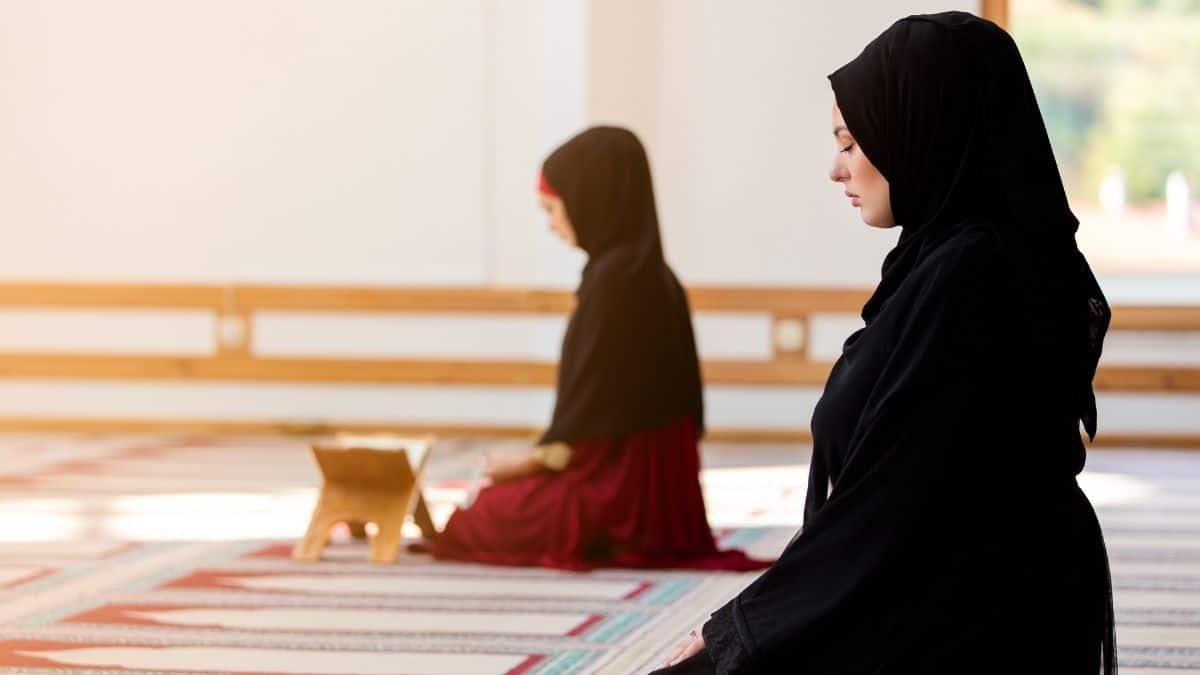
Muslim child reading the Quran in Arabic inside a mosque

Why Should UK Muslim Kids Learn Quran and Arabic?

Why Should UK Muslim Kids Learn Quran and Arabic? For many Muslim parents in the UK, ensuring their children grow up with a strong Islamic identity is a top priority. One of the most effective ways to achieve this is by helping kids learn the Quran and the Arabic language. But why is this important, especially for children who do not speak Arabic at home?


The Benefits of Learning Quran and Arabic for Kids

Learning Quran and Arabic offers many advantages for non-Arabic speaking children in the UK:

Religious Growth: Understanding the Quran’s meaning and reciting it correctly strengthens their Islamic identity.

Language Skills: Bilingualism improves reading, writing, and communication abilities.

Mental Development: Memorizing Quran enhances memory, focus, and problem-solving.

Cultural Identity: Arabic connects kids with Islamic heritage and traditions.

Community Bonding: Children engage more confidently in mosque programs and Islamic events.

Future Opportunities: Arabic can lead to careers in Islamic studies, translation, and education.


Challenges Faced by Non-Arabic Speaking Families

Many Muslim families in Britain do not speak Arabic at home, making it harder for children to learn. Parents often rely on weekend schools, mosques, or online classes. Choosing the right program is essential to keep kids motivated and engaged.


How Parents Can Support Their Children

1. Enroll in Local Quran and Arabic Classes – Many mosques and Islamic centres in London, Birmingham, Manchester, and Leicester provide kid-friendly programs. For example, you can explore the Islamic Cultural Centre in London.


2. Use Online Resources – Platforms like Noor Institutes Online Arabic Courses and Quran Learning Programs make learning engaging and flexible.


3. Practice Daily – Short daily sessions of 10–15 minutes strengthen progress.


4. Encourage and Reward – Celebrate achievements like memorizing a surah or learning new Arabic words.


Finding the Right Quran and Arabic Classes in the UK


Parents should look for programs that:


Have qualified teachers experienced in working with non-Arabic speakers.


Use fun, child-focused teaching methods such as games and storytelling.

Offer both Quran memorization and Arabic language lessons.

Provide flexible schedules to support busy families.


👉 One recommended choice is Noor Institute, which offers trusted Quran and Arabic classes for both kids and adults in the UK.


Frequently Asked Questions (FAQ)

1. At what age should my child start learning Quran and Arabic?


Children can start as early as 4–5 years old when language learning and memorization come naturally.

2. Can non-Arabic speaking children really learn Quran effectively?


Yes. With the right teachers and consistent practice, non-Arabic speaking children can learn Quran recitation and Arabic successfully.

3. How can I keep my child motivated?


Interactive apps, stories, songs, and games make learning fun. Parental encouragement and rewards also play a key role.

4. Where can I find reliable Quran and Arabic classes in the UK?


Several mosques and Islamic centres offer excellent programs. Alongside Noor Institutes, parents can also check the East London MosqueEast London Mosque and the Birmingham Central Mosque.

5. Are online Quran classes effective?


Yes, many UK families find online programs effective because they combine flexibility, quality teaching, and access to resources.


Conclusion

So, why should UK Muslim kids learn Quran and Arabic? The answer is simple: it strengthens their faith, builds their identity, and equips them with valuable skills for life. Whether through mosques, Islamic centres, or online learning, parents have many options to support their children.


👉 To explore trusted Quran and Arabic classes in the UK, visit Noor Institutes and disc


over how you can give your child the gift of faith, knowledge, and language.

Benefits of Surah Baqarah

Surah Baqarah Benefits for UK Muslim Kids

Surah Baqarah Benefits for UK Muslim Kids, No matter how much you search for peace, nothing compares to the tranquility found in the recitation of the Quran, especially Surah Al-Baqarah. The benefits of Surah Baqarah are unmatched, offering not just spiritual guidance, but a profound sense of calm and protection. Its verses serve as a powerful shield, guarding the heart from anxiety and the soul from negativity. When recited, Surah Al-Baqarah invites divine blessings, brings comfort to the troubled heart, and fills the home with serenity, making its benefits a priceless gift for those who embrace it.

Facts about Surah Al-Baqarah

  • Surah Al-Baqarah is the longest chapter in the Quran with 286 verses. 
  • It has Ayat al-Kursi, which is one of the most important verses in the Quran and helps protect against evil.
  • Surah Al-Baqarah is also called by different names like Al-Sanam, Al-Dhruwah, and Al-Zahra. 
  • It was revealed in Medina and is the first chapter revealed after the Prophet moved to Medina.
  • Surah Al-Baqarah is the 87th surah in the chronological order of revelation, coming after Surah Al-Mutaffifin and before Surah Al-Imran.
  • The surah was revealed over about nine years, from the second year of Hijra to the tenth year of Hijra.

Benefits of Surah Baqarah 

Surah Baqarah Benefits for UK Muslim Kids has numerous benefits for those who recite it regularly. One of its major benefits is its ability to protect the reciter from harmful forces, including Satan, the evil eye, and witchcraft. As narrated by Abu Hurairah that the Prophet said, “Satan runs away from the house in which Surah Baqarah is recited.”

Incorporating Surah Al-Baqarah into everyday life is highly blessed, and its verses guide on most of the aspects of one’s life.

key benefits of Surah Baqarah include:

  • Spiritual growth: Its verses help clean the heart and soul, making the connection with Allah stronger.
  • Calm and peace: This surah reduces stress, anxiety, and worries, improving mental and emotional health.
  • More rewards and blessings: Reading Surah Al-Baqarah daily increases the benefits of good actions and brings Allah’s blessings.
  • Help with life’s problems: The verses of Surah Al-Baqarah provide guidance and comfort for dealing with life’s challenges.
  • Stronger belief: Regularly reading Surah Al-Baqarah helps deepen faith and spiritual development.
  • Blessings for the family: Reciting Surah Al-Baqarah brings blessings, harmony, and protection to the home.
  • Improved understanding of the Quran: Its themes and teachings help people better understand the Quran.
  • Help on Judgment Day: Surah Al-Baqarah is believed to speak on behalf of the believer, asking for Allah’s forgiveness and mercy.

Themes Included in Surah Al-Baqarah

Surah Al-Baqarah touches on different themes through its stories, laws, and guidance, which are meant to teach spiritual, ethical, and social lessons to believers. The Surah introduces various prophets, including Prophet Abraham and Prophet Moses, their faith, and submission to the will of Allah; examples of patience, sacrifice, and obedience.

Additionally, Surah Al-Baqarah highlights the importance of charity (Sadaqah) and helping those in need. It stresses compassion, generosity, and the rewards of giving in the way of God.

Moreover, The Concept of is central to Surah Al-Baqarah and is reinforced through various teachings.

Stories

  1. Adam and Satan’s Story: This story tells how Adam was created and met Satan. It shows what happens when someone doesn’t follow God’s rules and why it’s important to ask for forgiveness when we make mistakes.
  2. The Israelites’ Story: In Surah Al-Baqarah, there are many parts about the Israelites. These parts talk about how they didn’t follow God’s rules, were not thankful, and didn’t listen to His guidance.
  3. The Golden Calf Story: This story is about the Israelites making a golden calf while Prophet Moses was away. It shows why worshiping anything other than God is dangerous and why we should follow His rules.
  4. The Cow’s Story: This story tells about the order to sacrifice a cow. It shows how important it is to follow God’s commands, even if they seem small or hard to understand at first.
  5. Maryam (Mary) and Isa (Jesus): This part of the Surah talks about Maryam (Mary) and the special birth of Prophet Isa (Jesus). It shows her strong faith and how Jesus’ birth was a miracle from God.
  6. The Sabbath Violators: This story is about a group of people who broke the Sabbath by fishing on that holy day. It teaches us how important it is to follow religious rules and the results of not doing so.

Lessons

  • Lessons in Faith and Patience

Surah Al-Baqarah emphasizes the virtues of faith and patience, encouraging believers to trust in God’s plan, even during difficult times or adversity.

  • The Importance of Prayer

Prayer is emphasized as a critical means of maintaining a strong relationship with God. The Surah encourages regular prayer and devotion.

  • Moral and Ethical Guidelines

This chapter provides comprehensive guidance on moral and ethical conduct, promoting values such as justice, honesty, kindness, and respect for others.

The Concept of Jihad

Surah Al-Baqarah clarifies the true meaning of Jihad, emphasizing that it is a personal struggle against one’s own weaknesses, desires, and shortcomings, rather than a call for violence.

  • Lessons on Forgiveness

The Surah underscores the importance of seeking God’s forgiveness. It teaches that God’s mercy is boundless and that sincere repentance leads to divine forgiveness.

  • Respecting Religious Obligations

The Surah stresses the importance of observing religious obligations, like fasting during Ramadan, performing prayers, and respecting other divine commands.

The Throne Verse: The Most Powerful Ayah in Surah Baqarah

Ayat al-Kursi talks about Allah’s greatness, control, and care, and is very special because it brings many spiritual benefits. Some of the good things that come from reading Ayat al-Kursi include:

  • Daily Safety: Reading Ayat al-Kursi in the morning helps keep you safe all day long.
  • Light for the Dead: Reading Ayat al-Kursi is also thought to bring light to the graves of people who have passed away, giving their souls peace.
  • Easier Passing: Reading Ayat al-Kursi every day is believed to make dying easier, helping a person be ready for what comes after life.
  • Prayers Acceptance: Reading Ayat al-Kursi after each prayer helps make sure that Allah listens to all your prayers and keeps you safe.
  • Equal to Part of the Qur’an: Some people say that reading Ayat al-Kursi is like reading a part of the Qur’an.

The Last 2 Ayat of Surah Al-Baqarah

The last two verses of Surah Al-Baqarah (285-286) are rich in significance and carry great blessings, as affirmed in several Hadiths. These verses remind us of Allah’s control and kindness, and they also help protect us and bring us spiritual benefits.

The Hadiths on the Last Two Verses

1- A well-known Hadith, told by Abu Mas’ud Al-Badri (may Allah be pleased with him), talks about the importance of reading the last two verses of Surah Al-Baqarah at night. The Prophet Muhammad (peace and blessings be upon him) said: “If someone reads the last two verses of Surah Al-Baqarah at night, it will be enough for them.” (Al-Bukhari and Muslim).

This means that reading these verses before going to sleep gives enough protection, guidance, and blessings for the person during the night.

2- During the Prophet’s (peace be upon him) Night Journey (Isra and Mi’raj), when he reached the Sidrah al-Muntaha (the Lote Tree of the furthest limit, in the sixth heaven), he received many blessings. Some of these were:

  • The five daily prayers
  • The last two verses of Surah Al-Baqarah
  • The promise that anyone from his followers who dies without associating partners with Allah will be forgiven, even for their biggest sins (Al-Muqhimat).

This highlights the immense importance and sacredness of these two verses, as they were granted directly from Allah during a pivotal moment of the Prophet’s ascension.

Master Surah Al-Baqarah with Noor Institute

Master the recitation, memorization, and understanding benefits of Surah Baqarah at Noor Institute. Noor Institute is an exceptional online platform dedicated to providing high-quality Quran online classes and Islamic courses, designed to help students of all ages and backgrounds deepen their understanding of the Qur’an. It offers outstanding Quran, Islamic, and Arabic courses, all designed to help students master the recitation, memorization, and understanding of Surah Al-Baqarah, which brings numerous spiritual benefits. With a team of experienced teachers and a structured learning approach, Noor Institute ensures that every student can connect with the Qur’an in a meaningful way. By enrolling at Noor, you will be equipped to experience the protection, guidance, and blessings that come from truly mastering Surah Al-Baqarah, benefiting both your spiritual journey and daily life.

Start with a free trial now and become part of our community!

In the UK, many Muslim families live in cities like London, Birmingham, Manchester, Leeds, Bradford, Leicester, and Glasgow. For non-Arabic speaking Muslims in these communities, learning the Quran and Arabic for their children is an important step in strengthening faith and identity. Resources such as the Islamic Cultural Centre in London, the Birmingham Central Mosque, the Manchester Central Mosque, and the Leeds Grand Mosque  provide valuable support for Muslim parents across Britain.

Frequently Asked Questions 

  • How often should Surah Al-Baqarah be read at home?

It is recommended to recite Surah Al-Baqarah regularly in the home, if possible daily, because it brings blessings, protects the home from evil, and keeps away negative energies.

  • Is it enough to listen to surah baqarah to experience the benefits of surah baqarah?

Yes, many Muslims believe that one may derive benefit from listening to Surah Al-Baqarah, but reciting it oneself has a greater effect because this is an interaction directly with the Quran.

Is hijab mandatory in Islam

is hijab mandatory in islam? uk guide

 Hijab Is Mandatory in Islam for UK Muslims, the hijab is viewed as a sign of modesty and devotion. The Qur’an encourages women to dress modestly, which many scholars interpret as covering the hair and body. In the UK, Muslim women freely choose whether to wear the hijab—as an act of faith, identity, or personal choice—reflecting the diversity of Islamic understanding and practice.. While some may view it as merely a cultural practice, hijab is actually a religious command, clearly defined in both the Quran and Sunnah. For Muslim women, hijab is more than a sign of modesty; it’s a vow of dignity, respect, and a representation of their faith. IIt’s a firm reminder of their belonging to Islamic virtues, offering a way to protect their inner and outer modesty.The hijab mandate addresses a greater religious tradition outside the actual act itself that fosters empowerment and self-respect.

What is hijab?

In its most usual sense, hijab refers to the headscarf that Muslim women wear as an expression of modesty and observance of Islamic values. lingusitically, hijab (حجاب) is the Arabic root “h-j-b” which signifies a barrier or partition. The hijab is also employed in the Quran to refer to physical partitions such as the partition between Paradise and Hellfire (Surah Al-A’raf). This highlights its deeper significance as a shield.

Dr. Zuleyha Keskin- an associate professor at the Centre for Islamic Studies-, states hijab is not merely a physical fabric but a physical and spiritual “veil of protection” that assists an individual to guard their spiritual connection with Allah. While the hijab is often thought of as a headcover, the hijab also represents modest behavior, moral values, and mannerisms. However, in this context, hijab refers specifically to the headcover, symbolizing modesty and devotion to Islamic teachings.

The purpose behind wearing Hijab

In Islam, the purpose of wearing hijab is to maintain modesty, a fundamental principle outlined in the Quran and supported by Islamic law. Hijab for women is not just about covering the hair; it’s about embodying dignity, respect, and self-control in both appearance and behavior.

Women should dress modestly and cover their bodies as a mark of dignity. The Quran directs women to protect their modesty and thus cover their body and in many interpretations their hair. By covering their bodies and hair, women honor their dignity as women and deter others from focusing on their physical form rather than their character.

Obligation or culture: Is hijab mandatory in Islam?

The debate surrounding hijab as a cultural tradition or a religious requirement in Islam has received a considerable amount of attention.  Nevertheless, there is widespread scholarly consensus among Muslim scholars of all schools of thought, that hijab is an obligation for Muslim women for religious purposes, and it is certainly not simply a matter of cultural tradition.

  • Islamic scholars, both classical and contemporary, agree that wearing hijab is an obligatory act for Muslim women, as prescribed in the Quran and Hadith.
  • The Quran has given clear instructions about modesty and body covering. There are verses like Surah An-Nur (24:31) and Surah Al-Ahzab (33:59) which clearly mention the requirement of covering the head and body.
  • Most of the sayings (hadith) of the Prophet Muhammad (PBUH) also verify this requirement, emphasizing modesty and the hijab.

Hijab in the prophet’s time 

During the time of Prophet Muhammad (PBUH), hijab was perceived and practised as an essential component of modesty, as can be seen in the Quran and the Sunnah. Aisha (RA) narrated that when the Quranic verse commanding the covering for women was revealed, the women of the Ansar immediately responded to it by covering themselves fully, indicating how promptly they complied with the command. This reaction was not just cultural, but a straight application of the Prophet’s teachings. The Prophet (PBUH) ordained the veiling of women, not as a limitation, but to provide women the authority to participate in society with their respect preserved. This practice of the Prophet and his Companions establishes hijab as a religious obligation, deeply ingrained in Islamic law, and not as a cultural practice.

Is hijab mandatory in Islam UK Guide Quran: Quran evidences

1- Quran evidences:

  • In Surah Al-Ahzab, it says, “O Prophet, tell your wives, your daughters, and the women of the believers to draw their outer garments (jalabib) over themselves. So they may be recognized and shall not be dealt with unjustly. And know that Allah is always Forgiving and Merciful.”

This verse makes it pretty clear that women are supposed to use their jalabib (outer garments) to cover up, as a way to maintain their dignity and stay safe from harm. The command is not optional but a directive meant to preserve modesty and ensure safety in society.

  • In Surah An-Nur: “And tell the believing women to lower their gaze and guard their private parts and not expose their adornment (zīnah) except that which [necessarily] appears thereof and to wrap their headcovers (khumurihinna) over their chests and not expose their adornment except to their husbands, their fathers, their husbands’ fathers, their sons,…”

This verse is a direct command for women to cover their adornments (physical beauty), and specifically their chests with khumur (headscarves). It states that the only exceptions for exposure are the face and hands for normal daily activities, thus limiting ambiguity regarding the obligation of modesty.

2- Evidences from sunnah hadith

  • Hadith from Sahih Bukhari (Book 72, Hadith 823):
    “The Prophet Muhammad (PBUH) said: ‘When a woman reaches the age of menstruation, nothing should be seen of her except this and this,’ and he pointed to his face and hands.”

This hadith states that covering is compulsory practice, apart from the face and hands, affirming the religious obligation of women to cover their bodies.”

  • Hadith from Sunan Abu Dawood (Book 32, Hadith 4099):
    “A woman came to the Prophet Muhammad (PBUH) wearing thin clothes, and the Prophet (PBUH) turned away from her and said, ‘O Asma, when a woman reaches puberty, nothing should be seen of her except her face and hands.'”

This hadith explain Hijab Is Mandatory in Islam and directly supports the Quranic and Islamic teaching that women must cover themselves and that their body should be modestly covered.

Addressing doubts about the obligation of hijab

A minority believe that the Quran does not explicitly tell women to wear hijab and that the verses on modesty do not explicitly mention covering the head. However, while the Quran is the primary source of Islamic law, its verses are usually open to interpretation for practical purposes. For example, in Surah Al-Ma’idah, Allah commands believers to wash certain parts of their bodies in the case of prayer, but the manner to do so is not clearly stated, and the Sunnah and scholarly interpretation come in to clarify.

Similarly, while the Quranic teachings on modesty are clear-cut, to make the particular requirement, the scholars use the Sunnah and interpretational tools, which confirm that the covering of the head and body is obligatory. Thus, the claim that hijab is not explicitly required is addressed by looking at the broader context of Quranic interpretation, Prophetic practice, and scholarly consensus.

Learn about Islam with Noor Institute 

At Noor Institute, we are dedicated to providing a comprehensive and accessible way to deepen your understanding of Islam. Through our Islamic and Quran online classes, you will be able to learn from qualified scholars who guide you on how to navigate key Islamic teachings and practices. Noor Institute provides guided, structured learning, enabling you to study Arabic, the Quran, Islamic law, and the principles of the faith at your own pace. With flexible online courses, you can easily grasp the fundamental concepts of Islam while sitting in the comfort of your home.

Conclusion 

In summary, by consensus of all the scholars, the answer to the question “Is hijab mandatory in Islam?” is clear: hijab is indeed mandatory. Both the Quran and the Sunnah support modesty, which is fundamental for men and women, with explicit instruction for women to cover their bodies and heads in accordance with Islamic principles. Almost all schools of thought have come to a consensus that it is stated as obligatory or necessary for Muslim women to wear hijab. The practice of wearing hijab is designed to protect women’s dignity, promote respect for them, and create an atmosphere of modesty and safety in society.

Ready to deepen your understanding of Islam? Join Noor Institute and navigate through a diverse range of online courses that are designed to guide you through the teachings of Islamic principles.

 Sign up now and book your free trial to get started!

Frequently asked questions

  • Can women choose not to wear the hijab?

In Islam, wearing hijab is an obligation for women as prescribed in the Quran and Sunnah. While Islam teaches that there is no compulsion in religion the obligation is clear. Even though individuals have the option not to follow this instruction, not wearing hijab is a sin since it goes against the divine instruction.

  • Is it sinful to choose not to wear a hijab in Islam?

Yes, not wearing hijab is considered a sin, as it goes against the divine command in the Quran. However, it is also important to remember that repentance and seeking forgiveness from Allah is always encouraged in Islam.

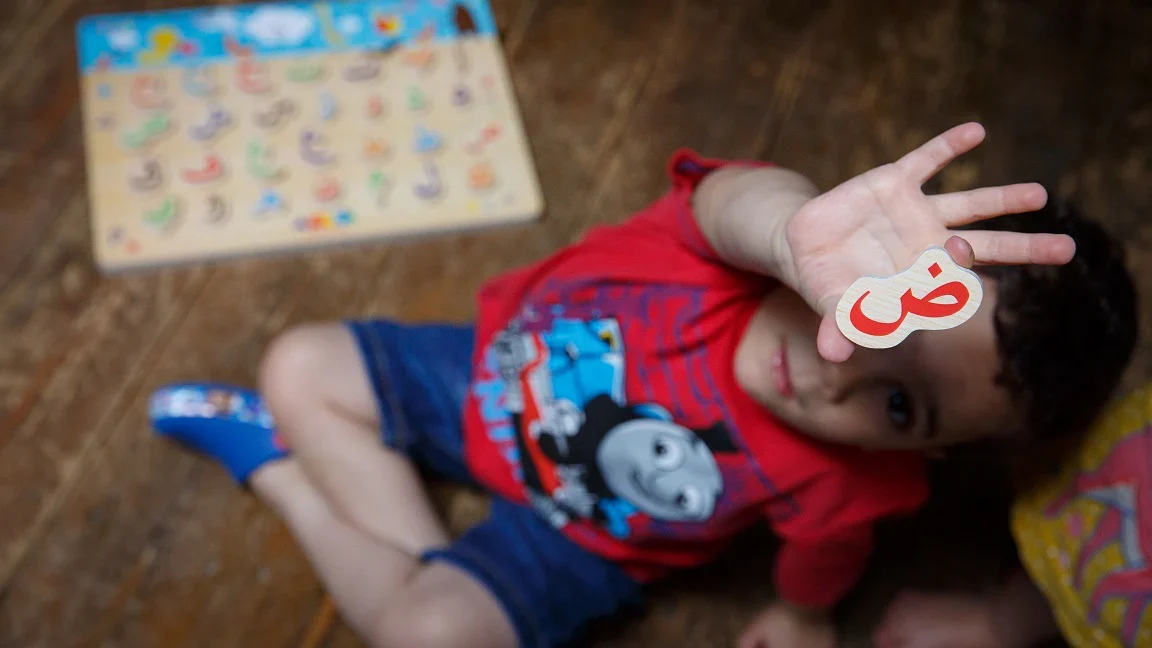
Child playing an educational Arabic alphabet learning game

Arabic Learning Games for Kids UK

Arabic Learning Games for Kids UK at home are one of the most effective, if not the most effective ways to teach Arabic to children. Kids as young as 2 years old are like sponges, naturally absorbing information from their surroundings. But to truly reach them, we must consider their playful nature; they’d much rather play than sit through formal lessons.

By turning learning into a game, we can transform what often feels like a heavy or intimidating task into an enjoyable, hands-on experience. Games invite children to actively participate, stay engaged, and retain Arabic vocabulary and concepts more naturally and joyfully.

Importance of fun-based learning for kids 

Play-based learning is a foundational part of how children develop, process information, and interact with their environment. When kids see learning as a form of play, they’re more involved, driven, and much more likely to truly grasp and remember the information

Through playful activities, kids develop across several key areas:

  • Cognitive development: Play promotes experimentation and exploration, accordingly, this strengthens children’s ability to solve problems and think critically.
  • Language acquisition: As children engage and express themselves, they naturally expand their vocabulary and develop their communication abilities.
  • Social skills: Cooperative games instruct children in the importance of cooperation, sharing, taking turns, and conflict resolution, all of which are vital for fostering healthy relationships.
  • Physical development: Activities like building blocks or movement games support motor skill development and hand-eye coordination.
  • Engagement and motivation: Children who enjoy learning remain interested, attentive, and ready to contribute.
  • Memory and retention: When learning is engaging and purposeful, kids retain information better.


Is learning Arabic challenging for kids?

Just like with anything new, starting to learn Arabic can feel a bit challenging, and that’s perfectly okay since it’s still unfamiliar. For many children, the idea of learning a new script, grammar rules, or sounds might seem overwhelming. But let’s agree on one thing: kids are not afraid of challenges, they’re naturally curious and flexible.

In fact, young children are like blank slates. With the right support, they can pick up Arabic just as easily as their first language. What some may view as “difficult” can actually become a strength when introduced early, through play and repetition.

Through playful learning and well-structured Arabic classes for kids like those offered by Noor Institute, Arabic becomes not just easy but also fun for children of all ages.

5 Arabic Learning Games for Kids UK at home

  1. Arabic Memory Match: Use flashcards with Arabic letters or words, and have your child match pairs. This basic yet impactful game boosts memory, letter identification, and vocabulary skills.
  2. Arabic Charades: Kids take turns acting out Arabic words or phrases without speaking, while others guess the answer. This increases vocabulary, promotes nonverbal communication, and makes learning engaging and enjoyable.
  3. Alphabet Puzzle: A useful method for teaching kids the Arabic alphabet.  Every piece of the puzzle stands for a letter, aiding kids in connecting letters with their sounds and improving their knowledge of the alphabet through tactile play.
  4. Word Formation: Designed for children ages 6 to 10, Kalimat is a word-building game where players create simple Arabic sentences using vocabulary cards. It helps expand sentence structure, grammar awareness, and practical vocabulary.
  5. Arabic Bingo: Children can play by marking off the Arabic letters, words, or numbers on their cards when they hear them called out. The first to complete a row wins. It’s a fun way to build vocabulary, listening, and letter recognition, especially in group settings.


Additional activities for kids at home 

  • Reading Arabic Stories:  Through captivating tales, simple Arabic storybooks assist kids in expanding their vocabulary, comprehending sentence construction, and developing their listening abilities.
  • Arabic Show and Tell:  In this entertaining activity, children use Arabic to describe a favourite toy or object, practicing their vocabulary, sentence structure, and speaking abilities.
  • Building Blocks: Educational blocks with Arabic letters or words allow children to stack, organize, and build, giving them hands-on experience to explore Arabic word formation and spelling.
  • Arabic Word Drawing: In this pen and paper activity, children will draw a picture based on an Arabic word, while their peers guess on the word. This is a fun way to reinforce both vocabulary and meaning through art.

Incorporating games the right way: Tips for parents 

  • Join the fun: Don’t just supervise, get involved. When your child sees you engaged and having fun it creates motivation and makes the learning feel like a collaborative effort.
  • Keep it consistent: Schedule a time during the day or week for Arabic games. A regular routine sets your child expectations and makes learning feel like a part of life.
  • Motivate with goals: Turn games into small challenges, these mini goals make learning exciting and rewarding.
  • Incorporate Arabic into daily life: Encourage your child to use new words when they eat or play. This practical application facilitates the link between game-based learning and effective communication.

These simple yet effective tips will help your child get the most out of play-based language learning


Noor Institute: fun and flexible Arabic learning at Home 

Fun Arabic learning games for kids at home are a powerful way to build language skills, and at Noor Institute, we take that one step further. Our meticulously crafted program provides some of the best Arabic classes online, tailored exclusively for children.

Taught by experienced tutors who know how to keep young learners engaged, each class is age-appropriate, interactive, and focused on real progress. Noor Institute provides a flexible, supportive learning environment for kids of all levels, all from the comfort of your home.

Whether you live in London, Birmingham, Manchester, Leeds, Leicester, Bradford, Luton, Cardiff, or Glasgow, Arabic learning resources are now more accessible than ever. Families from diverse Muslim communities across the UK can help their children build strong Arabic skills at home while keeping connected to their faith and culture. For more support, guidance, and community programs, visit the Islamic Centre in Britain.

Sign up now and enjoy a free trial for any Arabic class you choose with Noor Institute.

Muslim women

Responsibilities Of A Wife In Islam- USA guide

 Responsibilities Of A Wife In Islam- USA guide. In Islam marriage is seen as the main support for a strong and peaceful society. It helps people love, care for, and support each other. The family is significant because it teaches the next generation about Islamic values. The relationship between a husband and wife is key, as they work together to create a home filled with faith and peace. A wife’s duties in Islam include taking care of the home and children, as well as giving emotional and spiritual support. This helps keep the family balanced and happy, which is important for the whole society.

A closer look at the responsibilities of a wife in Islam?

The responsibilities of a wife In Islam- USA guide are cover many parts of family life, showing the complete nature of marriage in Islamic beliefs.

  • Emotional and Spiritual Support

A wife is supposed to provide emotional and spiritual support to her husband, assisting him in keeping his faith and encouraging him to fulfill religious duties like prayer and charity. The foundation of this relationship is built on mutual love, respect, and kindness, as taught in the Quran.

  • Household Management

While Islam does not impress it upon the wife that she has an obligation to manage the household solely, it certainly recognizes a wife’s role in making the environment peaceful and well-organized. It ranges from nurturing the home by making it comfortable and attending to the day-to-day needs of the family to allowing room for personal development and career growth.

  • Raising Children

One of the major responsibilities of a wife In Islam- USA guide which has always been underscored, is to take part in child-raising by bringing them up according to Islamic upbringing, good morals, and knowledge. This also means teaching and modeling good behavior while showing love, care, and attention to the physical, emotional, and spiritual needs of the children.

  • Mutual Respect and Partnership

The responsibilities of a wife In Islam- USA guide involve respecting her husband and working with him as a partner in making decisions. Islam encourages mutual respect and teamwork between husband and wife, where both work together to create a peaceful family life.

The Rights of Muslim Wives 

  • A wife is legally allowed to receive financial support from her husband to cover all her needs, even if she has her own money or job.
  • Islam teaches that husbands should treat their wives with kindness, care, and fairness. This means providing emotional support and not causing any harm or mistreatment.
  • A wife has the right to privacy, personal space, and dignity. Her consent and boundaries should always be respected.
  • A wife has the right to give her consent to marriage, and where there is severe marital discord, she has the right to seek divorce.
  • A wife has the right to consent to her marriage, and in cases of severe marital discord, she has the right to seek divorce (Khula) in Islamic law.
  • The wife also has the right to express her opinions openly and be treated with fairness, dignity, and kindness.

This balanced approach between the rights and responsibilities of a wife in Islam creates a strong foundation for the family.

The Role of Wives in Strengthening Faith and Family

In Islam, wives are very important in helping to build strong faith and family. They are like the support system that keeps the home spiritually and morally strong. They help teach Islamic values, especially by raising children who have a good understanding of faith, worship, and good behavior.

By teaching the principles of Islam and setting an example through their own actions, wives inspire their families to live by Islamic teachings. 

As spiritual companions, they offer emotional and moral support to their husbands, fostering an environment where worship, charity, and remembrance of Allah thrive. 

Furthermore, wives encourage their families to grow in faith, motivating regular prayer, participation in Islamic study, and involvement in the Muslim community. 

In this way, the role of wives in Islam is central to the spiritual and moral strength of the family unit.

How the Quran Honored Wives

When you learn about Islam, you will find that the Quran speaks about a wife’s dignity and respect as well as the rights, for which a wife is honored in various aspects. According to the Quran, marriage is a relationship between a man and a woman which is basically based on love, mercy, and tranquility. It does accept the key role played by an Islamic wife in the formation of a quiet and supporting family atmosphere.

Wives are granted financial security and personal rights, reflecting their valued position within the marriage. 

Moreover, the Quran advises husbands to treat their wives kindly, fairly, and with respect, making sure their wives’ emotional and physical needs are cared for. 

In this manner, the Quran values and respects wives, recognizing them as important partners in both family and community life.

Quran Verses Highlighting the Role of Wives

1.Your spouses are a garment1 for you as you are for them (Surah Baqarah)

This verse highlights the intimate relationship between spouses, where each provides support, protection, and comfort for the other.

2.Treat them fairly. If you happen to dislike them, you may hate something which Allah turns into a great blessing. (An-Nisa)

This verse commands husbands to treat their wives well and live with them in harmony, even in cases of disagreement.

3.And one of His signs is that He created for you spouses from among yourselves so that you may find comfort in them. And He has placed between you compassion and mercy.(Ar-Rum)

This verse highlights that Allah created marriage to be a source of peace and comfort, with love and mercy being central elements of the relationship between spouses.

These verses demonstrate the honored status of wives in Islam, where they are granted rights and responsibilities, and are to be treated with kindness, respect, and fairness.

The Prophet’s Treatment of His Wives

The Prophet Muhammad (PBUH) showed the best example to his wives about love, compassion, and respect in every single aspect of their communion. He also made sure each one of them received equal and just treatment and that each felt acknowledged and recognized. The Prophet used to help with household chores and was described as having a very humble and acknowledging character within his home. He was patient and endured such disagreements. He is noted to be playful and affectionate with his wives, which is reflected in the deep bond of companionship he nurtured. Furthermore, the Prophet consistently encouraged his wives in their personal growth and religious knowledge, often engaging in discussions about faith and sharing wisdom. 

His conduct serves as a timeless example of how a husband should honor and cherish his wife in Islam.

Historical Examples of Prominent Muslim Wives

Throughout Islamic history, there have been many important Muslim women who played key roles in shaping Islamic society and contributing to its heritage:

  1. Khadijah bint Khuwaylid (رضي الله عنها): She was the first wife of Prophet Muhammad (PBUH) and a successful businesswoman. During the early years of the Prophet’s mission, she was a strong supporter. She was the first to believe in Islam and gave the Prophet constant emotional, financial, and spiritual support. Her wisdom and strength were very important in helping him face the challenges of being a prophet.
  2. Aisha bint Abu Bakr (رضي الله عنها): Sharp intellect, with very deep knowledge. She was the youngest wife of the Prophet and eventually became one of the most distinguished scholars in Islamic history. She narrated over 2,200 hadiths and taught men and women about the life of the Prophet and how to put Islamic rulings into practice.
  3. Fatimah bint Muhammad (رضي الله عنها): the cherished daughter of Prophet Muhammad and wife of Ali, is highly respected for her devotion, strength, and dedication to her family. She stood by her husband in his religious and political responsibilities and raised their sons, Hasan and Husayn, who were important figures in Islamic history.
  4. Asma bint Abu Bakr (رضي الله عنها): the daughter of Abu Bakr, is remembered for her courage and resourcefulness during the Prophet’s migration. Asma was also known for her strong personality, assisting her husband in tough situations while raising her children, including Abdullah ibn al-Zubayr, a well-known leader.

Misconceptions About Responsibilities of a Wife in Islam

  • Wives must handle all household chores. Actually, Islam doesn’t say that only the wife has to do all the housework. The Prophet Muhammad (PBUH) helped with household chores, showing that taking care of the home is something both partners should share.
  • Wives must always obey their husbands without question. Islam encourages both partners to respect and work together, but it doesn’t mean wives have to do whatever their husbands say without thinking. Wives can share their thoughts and be part of making decisions, as long as it’s fair and follows Islamic teachings.
  • Wives are expected to sacrifice their personal growth. The fact is, Islam encourages both men and women to seek knowledge and personal development.
  • Wives have no authority within the family. In Islam, the marital relationship is based on partnership, not hierarchy. Both husband and wife have roles that complement one another, and each has a voice in family matters.

Deepen Your Knowledge of Islam with Noor Institute

Noor Institute offers Responsibilities Of A Wife In courses to learn this values  in USA,  comprehensive online Islamic courses to help one clearly understand some major Islamic teachings. This course will help learners correct common misconceptions and allow them a way to deepen their understanding of various aspects of Islam, including the duties of wife in Islam and the true responsibilities she holds within a Muslim household.

Using its online website, Noor Institute shares Islamic knowledge with people all over the world. It offers classes on many subjects like studying the Quran, the life of the Prophet, and Islamic rules. 

By empowering people with true information, Noor Institute helps them feel closer to their faith and use Islamic ideas in their everyday lives. This makes the community more knowledgeable and spiritually strong.

Join our online courses to discover more about Islam

Whether you live in London, Manchester, Birmingham, or New York, Los Angeles, and Chicago, non-Arabic speaking families across the UK and USA can now learn about the responsibilities of a wife in Islam, including wife duties in Islam and Islamic marriage responsibilities, through trusted Quran and Islamic studies programs. From the Islamic Cultural Centre in the UK (iccuk.org) to the Islamic Center of America (islamiccenter.com), respected institutions are offering classes that help women and families understand Islamic teachings on marriage, mutual respect, and family harmony—no matter where they are.

Related Keywords & Phrases:

wife duties in Islam, responsibilities of a wife in Islam, Islamic marriage responsibilities, Muslim wife rights and duties, role of a wife in Islam, duties of a Muslim wife, Islamic teachings on marriage, how to be a good Muslim wife, Islamic family responsibilities, wife role in Islamic marriage, Muslim marriage guidance, Islamic wife responsibilities UK, Islamic wife responsibilities USA.

Muslim people reading the Quran inside a mosque

What Drives Islam as the Most Converted Religion in the World ? UK

Islam is widely recognized as the most converted religion in the world uk guide, with millions of people from different backgrounds joining it each year. As the number of Muslims around the world keeps increasing, it’s becoming more important to learn about the teachings and history of Islam. Whether through detailed courses or Quran online classes, gaining knowledge about Islam helps people better understand and appreciate its rich traditions, beliefs, and its major influence on global culture and society. This understanding creates a strong basis for meaningful interaction with one of the world’s most impactful religions and highest converting religion.

Religions in Numbers: A Global Snapshot

There are about 10,000 different religions worldwide, but more than three-quarters of the world’s population follows just four major ones: Christianity (31%), Islam (24%), Hinduism (15%), and Buddhism (7%).  

Christianity has 2.4 billion followers and is widely practiced in the Americas, Europe, Oceania, and sub-Saharan Africa. The United States has the largest number of Christians.  

Islam has nearly 2 billion followers and is practiced by many different ethnic groups. It is the main religion in 49 countries, with large Muslim populations in the Middle East, Northern Africa, and South Asia.  

Hinduism, one of the oldest religions, is mainly practiced in India and Nepal, with about 1.2 billion followers.  

Buddhism, which started in ancient India, has around 500 million followers, mostly in East and Southeast Asia.  

These four religions make up the largest share of the world’s religious population.

Most Converted Religion in the World?

Countries with the Largest Muslim Populations

Islam is the second-largest religion in the world, with substantial followings in numerous countries. The following nations have some of the highest percentages of Muslims within their populations:

What Drives Islam as the Most Converted Religion in the World?

These countries highlight the strong Islamic presence. Most people in these countries are Muslim, which shapes their culture, laws, and everyday life. Islam has a strong influence in these areas, affecting both society and politics. Religion is a key part of how these countries see themselves and how they are run.  

The Fastest-Growing Religion in World

A study from 2017 showed that Islam is the religion that is growing the fastest and gaining the most new followers around the world. The Pew Research Center estimates that by 2050, the number of Muslims will grow faster than the number of Christians.

Muslims, on average, are younger than people in other religious groups. This means they are more likely to have children, which helps the Muslim population grow naturally. This is in stark contrast to the aging populations in many Christian-majority countries, where lower fertility rates are observed.

Additionally, while religious conversion plays a role in the growth of many faiths, the impact of conversion on the Muslim population is minimal. The Pew Research Center clarifies that changes in one’s religion barely make a difference in the overall numbers for Muslims, because most of the growth in the population of Muslims comes from births rather than conversion.

Due to these factors, Muslims by the year 2050 are expected to be nearly as large as Christians worldwide, making a huge shift in the global religious landscape. 

Religion with the Most Converts

Islam is generally considered the most converted religion in the world. Every year, thousands of people from all walks of life choose to follow Islam; therefore, this is one of the fastest and most active-growing religions. And it is believed that around 3 million people convert to Muslims every year. These conversions occur across different continents, with notable increases in regions such as Sub-Saharan Africa, Europe, and parts of Asia.

Several factors contribute to Islam being the fastest growing religion by conversion:

  • Spiritual and Social Appeal: Many are drawn to Islam’s clear practices, sense of community, and guidance on life, promoting social justice and charity.
  • Outreach and Education: Muslim organizations and online platforms have made it easier for people to learn about Islam, increasing conversions, especially in the West.
  • Personal Experiences: Converts are often inspired by personal journeys or relationships, leading them to explore Islam’s teachings of peace and transformation.

Projected Growth: Islam Closing the Gap with Christianity

Estimated percent change in worldwide population size from 2022 to 2060, by religion

Most Converted Religion in the World?

Source: Statista

As of January 2025, projections indicate that Islam is on track to significantly close the gap with Christianity by 2050. According to Statista, the global Muslim population is likely to increase by 45.7% from 2022 to 2060, whereas the global population of Buddhists will decrease by 12.2% within the same period.

By 2050, the number of Muslims around the world is expected to almost double compared to today. At the same time, Christianity will also grow, but not as quickly. This change will have a big impact on the world’s religious landscape, with Islam and Christianity becoming almost equal in terms of their global numbers.

World Religions Ranking – Population Growth by Religion (1800-2100)

Key Factors Behind Islam’s Rapid Growth

Why islam is religion with highest conversion rate:

  1. Young Demographics: The Muslim population has a younger median age compared to other religious groups. This youthful demographic is a significant driver of population growth, as younger populations tend to have higher birth rates.
  2. High Fertility Rates: Most of the Muslim countries, especially from regions like Sub-Saharan Africa and South Asia, have relatively higher fertility rates compared to the rest of the world. This contributes to the natural increase in the Muslim population.
  3. Migration Patterns: The growing migration of people, specifically from Muslim majority countries to other regions like Europe and North America, has contributed significantly to the worldwide spread of Islam.
  4. Islamic Outreach and Conversion: While convincing people to convert is not the main reason Islam is growing, the religion still draws people from different walks of life through community programs, teaching, and sharing personal stories of change.  

Together, these elements help Islam grow steadily around the world, making it one of the fastest converting religion in world

Historical Events Contributed to the Spread of Islam

The growth of Islam has been greatly shaped by important historical events that helped it spread to many parts of the world. These events played a big role in making Islam one of the largest religions today:

  1. The Birth and Revelations of Prophet Muhammad (570-610 CE): Prophet Muhammad was born in Mecca in 570 CE. In 610 CE, he received his first message from God, which later became part of the Quran. These messages are the foundation of Islamic beliefs and practices, and they helped start the spread of Islam.
  2. The Hijra (622 CE): In 622 CE, Prophet Muhammad and his followers left Mecca and moved to Yathrib (which was later named Medina) to escape mistreatment. This journey, called the Hijra, marks the start of the Islamic calendar. Medina became the first Islamic community, where Islam began to grow as both a religion and a way of organizing society.
  3. Early Military Conquests: Following the prophet’s death, the Rashidun caliphs led military campaigns that expanded Islam beyond Arabia into Syria, Palestine, Egypt, and Persia. Pivotal battles were crucial in establishing Muslim dominance.
  4. Rise of Caliphates: The creation of the Umayyad Caliphate was a key time when Islam grew, reaching North Africa, Spain, and parts of India. The Abbasid Caliphate further promoted trade, culture, and intellectual exchange, which enhanced the influence of Islam across a vast territory.
  5. Trade and Cultural Exchange: Trade routes were very important in bringing Islam to Southeast Asia, especially through merchants in areas like Indonesia and Malaysia.
  6. Colonial Era Responses: When European powers took control, many Muslims worked to strengthen their Islamic identity and pushed for Islamic rule. This led to increased conversions, particularly in former colonies, as many individuals sought to reclaim their religious and cultural roots.

Learn about Islam with Noor Institute 

At Noor Institute, we offer a full and easy way to learn about Islam, which is the fastest-growing religion in the world. As Islam continues to be the most converted religion in the world, it’s important to have correct and reliable information. Our online Islamic courses are designed to teach you the basics of Islam, its interesting history, and its role in culture. Whether you’re new to Islam or want to deepen your knowledge, Noor Institute provides flexible and convenient courses. You can learn about the faith and its teachings from the comfort of your own home.

No matter where you live in the UK—be it London, Manchester, Birmingham, or beyond—your children can now access quality Quran learning with ease and visit Islamic Cultural Centre & The London Central Mosque

Conclusion

In conclusion, Islam continues to be the most converted religion in the world, What Drives Islam as the Most Converted Religion in the World ? UK guide with millions embracing its teachings each year. This global trend highlights the growing interest and importance of understanding Islam in today’s diverse society. Through platforms like Noor Institute, individuals have the opportunity to access reliable, in-depth knowledge of Islam, its history, and its cultural significance. By offering flexible online courses, Noor Institute ensures that learners from all backgrounds can explore and connect with the world’s most converted religion in a meaningful way.

Muslim child reading the Quran in Arabic inside a mosque

5 Benefits Learn Quran Kids UK

5 Benefits Learn Quran Kids UK

What children are exposed to during their early years becomes a part of who they are for life. 5 Benefits Learn Quran Kids UK, One of the greatest gifts you can give your child is the Quran—the divine words of Allah. The benefits of learning the Quran for kids go far beyond memorization; it lays a lasting foundation for their character, values, and spiritual growth. When children grow up with the Quran, they develop a strong connection to their faith, a clear sense of right and wrong, and a deep inner peace rooted in divine guidance.

In this blog, we’ll explore the life-changing benefits of learning the Quran for kids from a young age, and how it positively shapes their mindset, morals, and future.

1- Learning the Quran Encourages Good Manners in Kids

The first benefit in Learning Quran in UK For children, studying the Quran provides them with an early understanding of values as respect towards others, humility, and compassion. Quran verses emphasize treating people gently, speaking softly, and avoiding rough talk. This ethical principle helps shape a child’s personality, promoting empathy and politeness in their actions. As they learn these lessons, they integrate them into their daily lives automatically, being more thoughtful, respectful and aware of how they treat others.

2- Learning the Quran Brings Kids Closer to Allah

One of the most significant benefits of learning the Quran for kids is the authentic, enduring connection it builds between them and Allah. As the ultimate guide and source of wisdom, the Quran naturally draws children closer to their Creator when they start interacting with it early in life. The Quran’s beautiful and impactful recitation captures their attention, resulting in a positive and unforgettable experience with the sacred text. This bond with the Quran cultivates a love for Islamic teachings in their hearts, inspiring them to follow Allah’s commands more willingly as they grow.

3- Helps Kids Distinguish Between Haram and Halal

A critical lesson children learn from the Quran is the difference between halal (permissible) and haram (forbidden).

Also the Quran explains the differences between permissible actions or behaviors and the actions and behaviors that align with Islam and have negative consequences. By learning the Quran, children develop the ability to make informed decisions based on Islamic teachings.

4- Increase Islamic Knowledge

Introducing children to the Quran early gives them the basis of wisdom and guidance for life. Early in life, a child’s mind absorbs and learns quickly. They can establish their Islamic values early in life as they learn the Quran. Learning the Quran guides them on their life’s purpose, the path to the hereafter; defines Islamic teachings, and gives them basic principles of faith. Learning that teaches them rules and morals along with the underlying messages from Allah. As they grow, this knowledge shapes their understanding of the world and strengthens their connection to Islam, helping them apply its teachings in daily life with clarity and purpose.

5- Enhance Their Memorization Capacity

Memorizing Quranic verses significantly enhances children’s cognitive abilities and highlights the fifth benefit of learning the Quran for kids in UK in both spiritual and intellectual aspects. The Quran’s complex patterns and linguistic structure challenge children to develop their memory and analytical skills. The process of memorization itself is a mental workout, improving a child’s focus and concentration. Each verse they memorize contributes to their intellectual growth, sharpening their ability to recall information and apply critical thinking to complex concepts. This cognitive exercise also prepares them for academic success, as the skills developed through Quran memorization translate to improved performance in other subjects. These benefits of learning the Quran for kids not only boost their academic potential but also deepen their faith and strengthen their connection to the Quran.

Tips to encourage engaging learning environment for kids

  • Use Visual Aids: Incorporate colorful charts, flashcards, and illustrations to help kids connect with the Quran’s teachings more effectively.
  • Break it Into Manageable Chunks: Break up the Quran content into smaller chunks, so that children don’t get overwhelmed and can learn more easily.
  • Incentives and Rewards: To keep them inspired and enthusiastic about their educational journey, give them little prizes for their progress, like stickers or more playtime.
  • Set Achievable Learning Objectives: Determine attainable learning objectives that accommodate your child’s learning style. To encourage their perseverance and commitment, acknowledge each minor accomplishment.
  • Foster Curiosity: Create an open atmosphere where questions are encouraged and kids feel free to ask more questions. This encourages a peaceful learning process and enhances their comprehension.
  • Find a Skilled Tutor: You can also choose a tutor who is experienced in teaching children and knows how to make the learning process engaging and effective.

Noor Institute approach to make learning the Quran easier for kids

Benefits of Learning the Quran for Kids go far beyond memorization—they shape a child’s character, values, and connection with their faith. Noor Institute understands the unique needs of young learners and has developed a child-centered, friendly approach to make Quran learning both effective and enjoyable. Their expert tutors use age-appropriate methods, combining interactive lessons, visual aids, and imaginative strategies that keep children engaged and motivated. With structured programs, ongoing support, and regular assessments, every child receives the guidance they need to thrive. Noor Institute proudly offers the best online Quran classes for kids, helping them grow confident in their understanding of the Quran while developing a deep, lasting love for its teachings.

Conclusion

“Whether you’re based in London, Birmingham, or Manchester, learning the Quran is now easier than ever for your kids across the Noor Institute in UK” also you can visit Islamic Cultural Centre & The London Central Mosque. Early childhood is the best time to shape the heart and soul of a child just like you carve on stone, and the impact lasts a lifetime. If you want to give your child the lifetime benefits of learning the Quran for kids, Noor Institute is here to guide you. With experienced teachers, thorough understanding of what children require, and a unique teaching method, we make Quran learning enjoyable, rewarding, and lasting for all children.

Enroll your child now and enjoy a free trial on any course of your choice.

Frequently asked questions

  • When should children start learning the Quran?

There is no set age, but in general, children can learn the Quran from about 3 or 4 years of age just by listening and memorizing short surahs, with more structured learning typically beginning around age 6 when they can focus and understand better.

  • How to make kids love Allah?

To make the children love Allah, remind them of His mercy, kindness, and endless blessings. Tell them that Allah is the One Who gave them their family, food, toys, and all the comfort they have. Also, tell them that Allah is always near, hears their prayers, and rewards every good deed no matter how small.

How are you in arabic?

How to Greet in Arabic – UK Guide

How to Greet in Arabic – UK Guide

Today, I present “How to Greet in Arabic – UK Guide”  the world is becoming increasingly interconnected, and language has become one of the most powerful tools for building meaningful connections across cultures.  For many non-Arabic speakers hoping to build meaningful relationships across the Arab world, one of the first questions that comes to mind is: “How do I say how are you in Arabic?”

But in Arabic-speaking cultures, this simple question carries far more than surface meaning. It opens the door to warmth, care, and connection, often extending beyond the individual to include family, health, and well-being. Understanding this depth is essential to truly appreciating how greetings work in Arabic.

Importance of warm greetings and asking about family

In Arabic-speaking cultures, a simple “how are you?” is rarely just a surface-level question. It often leads to follow-ups like “How’s everyone at home?” This isn’t considered nosy, but a sign of respect, closeness, and cultural warmth.

This way of connecting reflects deep values in both Arab tradition and modern psychology.

This is important because:

  • It fosters trust and emotional safety: Expressing affection or asking about loved ones makes people feel secure, respected, and valued.
  • It strengthens relationships: Regular check-ins help maintain strong social and family bonds.
  • It encourages open communication: People are more likely to share openly when they feel genuinely cared for.
  • It creates a sense of belonging: Especially in collective cultures like the Arab world, showing interest in someone’s family means embracing their identity.

Common Arabic phrases to say how are you

How to Greet in Arabic – UK Guide, Arabic is spoken across more than 20 countries. While the meaning behind “how are you?” is shared, the way it’s said can vary significantly based on region, dialect, and social context.

So, for anyone asking How do I say how are you in Arabic, let’s divide the answer based on whether it is formal or informal setting:

1- Formal settings

كيف حالك؟ (Kayfa Ḥalak?)

  • Pronunciation: kayfa haloka (to a man) / kayfa haluki (to a woman)
  • Literal Meaning: “How is your condition?”

Usage:

  • Universal across the Arab world
  • Used in formal settings, emails, or with strangers
  • Especially common in education, media, or official speech

Other Common Formal Phrases:

  • كيف الحال؟ (Kayfa al-hal?); means How is the situation?
  • كيف أُموركَ؟ (Kayfa umorak?); how are things?
  • كيف صحتك؟ (Kayfa sihatak?); this means: How’s your health?
  • ما أَخباركَ؟ (Ma akhbarak?); What’s your news?

Overall, use these phrases in professional conversations, when meeting someone older, or in written communication.

2- Informal, casual settings

إِزَّايَك؟ (Izzayak?)

  • Pronunciation: izzayak (male) / izzayek (female) / izzayokum (group)
  • Literal Meaning: “How are you?”

Usage:

  • Most common greeting in Egypt
  • Casual and warm; perfect for friends, family, or colleagues

Bonus Phrase:

1- أخبارك إيه؟ (Akhbārak eh?) – What’s your news?

2- كِيفَك؟ (Keefak?) – Levantine Arabic (Lebanon, Syria, Jordan, Palestine)

  • Pronunciation: keef-ak (male), keef-ek (female), keef-kum (group)
  • Usage: Friendly and common; used in everyday conversation

3- شْلُونَك؟ (Shlonak?) – Gulf & Iraqi Arabic

  • Pronunciation: SHLO-nak (male), shloneck (female), shlonkum (group)
  • Usage:
    – Widely used in Kuwait, Saudi Arabia, Iraq, and parts of Syria
    – Very friendly; perfect for close groups and casual interactions.

Find out more at our Arabic conversation course, designed to help you speak confidently and naturally in real-life situations.

Male vs. female: understanding gender in Arabic phrases

One of the key differences between Arabic and English is that Arabic is a gendered language. That means the words you use change depending on whether you’re speaking to a man or a woman; and it shows even in everyday phrases like “How are you?”

A small change in sound can completely shift the meaning and one of the most common signs of speaking to a female is the use of a كسرة (kasrah), which is a small diagonal line placed under a letter and sounds like “i”.

English To a Male To a Female Highlight
How are you? كيف حالُكَ؟ (kayfa ḥāluka) كيف حالُكِ؟ (kayfa ḥāluki) Kasrah on كِ
How are you? (Egypt) إزيّك؟ (izzayyak) إزيّك؟ (izzayyik) Sound shifts to -ik
How are you? (Levant) كيفك؟ (keefak) كيفك؟ (keefek) Ends in -ek
How are you? (Gulf) شلونك؟ (shlonak) شلونچ؟ (shlonich) Sounds like -ich

Learning how to differentiate between male and female forms is an essential part of speaking polite, correct Arabic. It also reflects cultural awareness and respect, helping you connect more authentically with native speakers.

Suitable Arabic responses for greeting phrases 

1- (أنا بخير، الحمد لله)

  • Pronunciation: Ana bekhair, alhamduallah
  • Translation: “I’m doing well, thank God”
  • Usage: The most common and polite all-around response. A culturally significant phrase, even if you’re not religious, showing gratitude for well-being.

2- بخير، شكرا

  • Pronunciation: bekhair, shukran
  • Meaning: “Fine, thank you.”
  • Usage: A simple and direct response if you prefer not to use “alhamdulillah.” Perfectly acceptable.

How daily practice improves your Arabic confidence

Daily practice plays a key role in building confidence with Arabic. It helps develop memory for pronunciation and natural sentence flow, reduces hesitation and fear of making mistakes, and strengthens listening comprehension and response time. 

Practical Tips to Practice Daily:

  1. Label objects in your environment: Use sticky notes with Arabic names; visual cues build vocabulary.
  2. Practice greetings with native speakers: Even one short message or conversation a day makes a big difference.
  3. Repeat short phrases daily: Pick 2–3 key phrases and say them throughout your day.
  4. Use Arabic in real-life situations: Try a simple greeting when visiting a café, store, or speaking with Arabic-speaking friends.

Experience authentic Arabic learning at Noor Institute

Still asking yourself how do I say how are you in Arabic, or how to begin learning the language with confidence? At Noor Institute, we offer some of the best Arabic classes online, designed to help learners of all backgrounds build real conversational skills while gaining cultural understanding. Whether you’re just starting out or looking to refine your fluency, our comprehensive curriculum blends practical phrases, grammar, and deep cultural insights. With expert instructors and flexible online access, you can enjoy an immersive Arabic learning experience, anytime and anywhere.

If you want to know about How to Greet in Arabic – UK Guide you can visit The Islamic Cultural Centre (ICC) – London Central Mosque

Join our community of learners and start speaking Arabic with confidence. Book your free trial 

Yajuj and Majuj in Islam: the major sign of the end times

Yajuj and Majuj in Islam: The Mysterious Truth About the End Times

Yajuj and Majuj in Islam are among the most mysterious and awe-inspiring signs of the End Times. These two powerful tribes are directly connected to the final events that will unfold before the Day of Judgment. Their story is a real and terrifying truth grounded in Qur’anic revelation and authentic Hadith. Though currently sealed behind a divine barrier, their eventual release will mark a wave of chaos the world has never witnessed.

In this blog, we explore who Yajuj and Majuj truly are, where they are now, and when they will emerge. Through the lens of Qur’anic verses, prophetic sayings, and timeless Islamic wisdom, we uncover the truth behind these hidden nations and what their story means for us today.

Who are Yajuj and Majuj?

Yajuj and Majuj (known in English as Gog and Magog) are two powerful and corrupting nations mentioned in the Qur’an and Hadith, with a prominent role in Islamic eschatology. They are described as descendants of Adam who will reemerge in the End Times to cause widespread chaos and destruction on Earth. 

Their reappearance will mark one of the major signs preceding the Day of Judgment. When unleashed, they will overwhelm humanity in vast numbers, leaving devastation in their path until they are ultimately destroyed by divine intervention. The Islamic tradition strongly affirms their literal existence and the reality of the barrier, urging believers to accept the scripture as it is, without metaphorical reinterpretation.

Yajuj Majuj physical appearance islam

Islamic sources offer several descriptions of Yajuj and Majuj in islam, though not all are considered equally reliable. According to authentic hadith, such as the narration of Nawwas ibn Sam’an in Sahih Muslim, Yajuj and Majuj are described as extremely powerful people, so overwhelming that no one will be able to defeat them. Other  narrations mention that they have broad faces, small eyes, grey hair, and skin-covered faces that resemble flattened shields 

Some weaker narrations present more  features:

  • Some claim that certain members of Yajuj and Majuj are as tall as 120 feet (like the Arz tree).
  • Others suggest they are four arm-lengths tall and wide, or so peculiar that they sleep on one ear and cover themselves with the other.
  • A few narrations even mention that the shortest among them are two spans tall, while the tallest reach three spans.

Scholars caution against taking these fantastical traits literally, as most of these reports are classified as weak. What remains consistent and credible, however, is that Yajuj and Majuj will appear as physically distinct, overwhelmingly numerous, and divinely unstoppable forces

Story of Yajuj and Majuj in Islam

Yajuj and Majuj in Islam are two tribes from the descendants of Adam (peace be upon him), and they come from the lineage of the son of Prophet Noah, Japheth, the son of Prophet Noah. In Islamic tradition, they are portrayed as real, ancient nations known for their corruption, violence, and chaotic nature.

Their story is introduced in Surah Al-Kahf, where a righteous ruler named Dhul-Qarnayn responds to the pleas of a people seeking protection from their destruction. With divine guidance, he sets out to confine Yajuj and Majuj behind a barrier. According to the Qur’an, they will remain trapped until the End of Days, when they are destined to break free and unleash chaos as one of the major signs of the Last Hour 

When will Gog and Magog appear?

According to Islamic eschatology, Yajuj and Majuj will emerge in the End Times, shortly after the defeat of the Dajjal (Antichrist) and the descent of Prophet Isa (Jesus, peace be upon him). Their appearance is considered a major sign of the Day of Judgment, and their release will mark a period of extreme chaos on Earth. The Prophet Muhammad ﷺ informed that after Isa descends and restores justice, Allah will inform him of the approaching threat of Yajuj and Majuj, prompting Isa and the believers to retreat to safety in the mountains. 

Where will Gog and Magog come from?

Islamic scholars and narrations have agreed that they are located in the far eastern parts of the world. Historically, they were associated with the Turkic peoples, as both were believed to inhabit areas near the great barrier built by Dhul-Qarnayn. While the Turks remained outside the wall, Yajuj and Majuj were confined behind it, deep in the remote east. The precise location of the barrier remains unknown, but it is described as being nestled between two mountains, forming a sealed passage that has effectively trapped them for millennia.

How will Gog and Magog break free?

Islamic texts describe a persistent and daily effort by Yajuj and Majuj to break through the wall. Each day, they dig and make progress, drawing closer to escape. However, before they can fully break through, they stop and say, “We will return tomorrow and continue,” without invoking Allah’s name.

When they return the next day, they find the wall restored to its original state by divine will. This cycle continues until the day Allah allows them to say “Insha’Allah” (if Allah wills) at which point, when they return, they find the wall exactly as they left it. They are then able to complete their breakthrough and surge forth in overwhelming numbers, spreading destruction across the earth as one of the final, terrifying chapters of human history.

What happens after Gog and Magog release?

After their release, Gog and Magog will spread across the earth in vast numbers, causing widespread destruction and consuming resources, including the Lake of Tiberias. Their power will be unmatched, and Prophet Isa (Jesus, peace be upon him) and the believers will seek refuge on Mount Tur. At that point, Allah will intervene by sending worms that fatally strike them in the necks. Their bodies will then be washed away by divine rain, cleansing the earth of their corruption and foulness. Their destruction marks a major turning point in the events of the End Times.

Yajuj Majuj wall: The role of Dhul-Qarnayn in containing them

The Qur’an recounts the story of Dhul-Qarnayn, a just and God-guided ruler who embarked on a journey across the earth and eventually encountered a people who lived in constant fear of the destruction caused by Yajuj and Majuj. In response to their plea for protection, Dhul-Qarnayn constructed a monumental barrier between two mountains, using iron and molten copper, to seal off the gap through which these destructive tribes would emerge. This structure was not symbolic, but rather a physical wall, divinely inspired and built to contain their corruption until an appointed time. The wall still stands, hidden and inaccessible, holding back Yajuj and Majuj until Allah decrees their release as a sign of the nearing Day of Judgment.

Yajuj and Majuj in the Quran & Hadith

The mention of Yajuj and Majuj in Quran appears in two key chapters: Surah Al-Kahf (92–98) and Surah Al-Anbiya (96–97). In Surah Al-Kahf, their story is connected to Dhul-Qarnayn, a righteous leader who constructed a massive barrier to contain their corruption. In Surah Al-Anbiya, their release is described as one of the major signs of the approaching Day of Judgment, when they will surge forth from every elevation, overwhelming the earth. These verses affirm that Yajuj and Majuj are real nations, held back by divine will until their appointed time, underscoring their significance in Islamic eschatology.

In addition to the Qur’anic verses, several authentic Yajuj and Majuj hadith expand on their story. These narrations clarify that their emergence will take place in the End Times, close to the Hour of Judgment, during a period when corruption and evil dominate the earth. The hadiths emphasize both their overwhelming power and the spiritual significance of their release as a divine test for humanity.

yajuj and majuj in islam

Gog and Magog across religions and cultures

While the story of Gog and Magog is most widely known in Islamic eschatology, they are also referenced in the Bible and other historical texts.

In Christian and Jewish scripture, particularly in the Book of Ezekiel and the Book of Revelation, Gog and Magog are portrayed more symbolically; as nations or forces of evil that will rise against the people of God in a final apocalyptic battle.

Medieval and early modern travelers and historians also tried to link Gog and Magog to known peoples, such as the Mongols or Tatars, interpreting their invasions as fulfillment of prophecy. While these identifications were speculative, they reflect how different cultures have attempted to situate Gog and Magog within real-world contexts. However, Islamic scholars caution against such interpretations, emphasizing that their true emergence remains a future, divinely ordained event.

How to protect ourselves spiritually from Gog and Magog

While we cannot stop the divine events of the End Times, we can prepare ourselves spiritually by strengthening our faith and staying grounded in trust and devotion to God. 

Key practices to help protect your soul in times of chaos:

  • Deepen your faith: Strengthen your belief in Allah’s wisdom, justice, and power through worship, reflection, and trust in His plan.
  • Commit to prayer and remembrance (dhikr): Regularly seek refuge in Allah through supplication, Quran recitation, and morning/evening adhkar.
  • Maintain righteous company: Surround yourself with believers who encourage faith, patience, and remembrance during times of trial.
  • Live with integrity and taqwa: Live deliberately in obedience to Allah and protect yourself from wrongdoing.

Deepen your faith with Noor Institute Islamic courses

The story of Yajuj and Majuj in Islam is just one example of the powerful guidance found in the Qur’an; guidance that remains deeply relevant to every aspect of our lives. To truly connect with these teachings and build stronger faith, structured learning is key. Noor Institute offers the best online Islamic courses to help you explore the meanings behind such stories, understand core Islamic beliefs, and apply them in your personal journey. With authentic content and expert instruction, Noor Institute empowers you to deepen your relationship with the Qur’an and live your faith with clarity and purpose.

For Muslims living in the UK — in cities such as London, Birmingham, Manchester, Leeds, Bradford, Glasgow, and Leicester — learning about these signs strengthens our belief in the unseen and prepares our hearts for the Hereafter. You can explore more about Islamic eschatology, Qur’anic studies, and authentic Islamic teachings by visiting the Islamic Centre of Britain

Frequently asked questions

  • Are Yajuj and Magog humans?

Yes, Yajuj Majuj in Islam are human tribes descended from Adam, specifically from the lineage of Japheth, the son of Prophet Noah.

  • What do Yajuj and Majuj eat?

In their current state, they live normal lives; they eat, drink, and plant like ordinary human communities, but they are confined behind the barrier until their time of emergence.