
Category: blog

How Long Does It Take to Learn to Read Arabic? A Simple & Clear Timeline

How Long Does It Take to Learn to Read Arabic? A Simple & Clear Timeline

The question of how long does it take to learn to read Arabic is a common concern, particularly among beginner students eager to delve into one of the world’s oldest and most influential languages. Arabic holds a significant place in human history and civilization, owing to its deep-rooted connections to Islamic culture and its pivotal role in the religious, literary, and intellectual spheres. As the Quran’s language, Arabic carries profound spiritual and cultural significance, attracting learners worldwide. However, mastering Arabic reading skills requires time, dedication, and patience. While there is no one-size-fits-all answer to the question, as learning timelines vary based on individual factors such as prior language experience and level of commitment, beginners can typically expect to achieve basic reading proficiency within a few months of consistent study and practice.
let’s start the journey of finding out how long does it take to learn to read Arabic.

Quranic Arabic vs Modern Standard Arabic (MSA): What Beginners Need to Know

Determining How long does it take to learn to read Arabic requires first having an overview of the differences between classical Arabic and MSA. Classical Arabic is the language of the Quran and is characterized by its rich vocabulary, complex grammar, and poetic style. Modern Standard Arabic (MSA), on the other hand, is the standardized form of the Arabic language used in formal settings, media, literature, and education across the Arab world today. While MSA is derived from classical Arabic, it has undergone some simplifications and changes to adapt to modern usage and communication needs.

Quranic Arabic and Modern Standard Arabic (MSA) differ in various aspects, including vocabulary, grammar, style, pronunciation, and spelling. While much of the vocabulary in the Quran is also found in MSA, the Quran contains archaic and poetic words that are not commonly used in everyday speech or MSA. The grammar of Quranic Arabic is more complex and includes archaic forms and constructions that are not commonly used in MSA. The style of Quranic Arabic is known for its eloquent and poetic nature, characterized by rich imagery, metaphors, and rhetorical devices, which are not typically found in MSA. There are differences in pronunciation between Arabic of the Quran and MSA, mainly related to the pronunciation of certain letters and sounds, as well as the rules of Tajweed (Quranic recitation). The Quran follows its own orthographic conventions, which may differ from MSA in terms of spelling and diacritical marks, such as the use of diacritical marks to indicate the correct pronunciation of letters for proper recitation.

Arabic cultural insights and context overview

Understanding the cultural insights and context of the Arabic language is essential for appreciating its richness, diversity, and significance, and it may also help you to discover how long does it take to learn to read Arabic.

Arabic script, renowned for its calligraphic beauty, serves not only as a means of communication but also as a form of art and cultural expression. The language’s oral tradition, steeped in poetry and storytelling, dates back to pre-Islamic times, shaping its linguistic diversity and poetic beauty. With its status as the language of Islam and the Quran, Arabic holds a special religious significance, symbolizing divine revelation and cultural unity among Muslims worldwide. Arabic’s global influence extends beyond the Arab world, serving as a lingua franca for trade, diplomacy, and cultural exchange. At the same time, its literature and intellectual heritage have made enduring contributions to fields such as philosophy, science, and literature. Additionally, Arabic dialects exhibit sociolinguistic variation, reflecting the cultural, historical, and geographical diversity of the Arab world and highlighting the importance of understanding dialectal dynamics for effective communication in Arabic-speaking communities.

Why Learn Quranic Arabic? Benefits for Reading and Understanding

Learning Quran Arabic offers several benefits beyond merely understanding the text itsel, which is even more important than figuring out how long does it take to learn to read Arabic. Firstly, it provides a direct connection to the linguistic and cultural roots of Islam, enabling a deeper comprehension of the Quran’s message, this understanding fosters a more profound spiritual engagement with the Quran, allowing learners to grasp its teachings in their original context and appreciate its timeless relevance to contemporary issues and challenges. Additionally, proficiency in Quran Arabic equips individuals with the skills to explore Islamic scholarship, jurisprudence, and theology independently, empowering them to critically analyze religious texts and interpretations. Moreover, learning classical Arabic opens doors to broader cultural and intellectual horizons, enabling access to historical sources that have shaped Islamic civilization. Ultimately, studying Arabic of the Quran not only facilitates a deeper understanding of Islam’s foundational text but also cultivates linguistic proficiency for personal growth and scholarly pursuits.

How long does it take to learn to read Arabic?

how long does it take to read arabic?

How long does it take to learn to read Arabic can vary depending on several factors, including your prior language learning experience, your level of commitment, the quality of instruction, and the complexity of the script itself.

How Long Does It Take to Learn to Read Arabic for Beginners?

For someone starting from scratch with no prior experience in Arabic or a related script, it typically takes a few months to become proficient in reading Arabic script with basic comprehension. This initial period involves learning the Arabic alphabet, understanding the shapes and sounds of letters, and practicing basic reading skills. With consistent practice and dedication, you can gradually build your reading proficiency and expand your vocabulary over time.

How to learn to read Arabic fluently?

However, achieving fluency in reading Arabic, where you can comfortably read texts of varying complexity with ease, usually takes longer. It may take several months to a year or more of regular study and practice to reach a level of fluency where you can read Arabic script fluently and comprehend written texts without significant difficulty.

Remember that learning to read Arabic is a gradual process that requires patience, persistence, and regular practice. Setting realistic goals, using effective learning strategies, and seeking guidance from experienced teachers or resources can help expedite your progress and enhance your reading skills.

Fruitful tips to learn how to read Arabic

Firstly, you should begin by learning the Arabic alphabet and basic pronunciation, focus on Vocabulary by learning common words and phrases used in everyday conversation. 

Additionally, consistent practice is key to language learning. Allocate a specific time each day for studying Arabic. Regular practice answers how long does it take to learn to read Arabic, since the more you practice, the faster you learn.

Moreover, Take advantage of language learning resources such as textbooks, online courses, apps, and language exchange platforms. find resources that go in line with your learning style and preferences.

One more tip is to surround yourself with Arabic as much as possible, watch Arabic TV shows, and read Arabic news articles or books

Speak from day one, don’t be afraid to start speaking Arabic from the beginning, even if you make mistakes. Practice speaking with native speakers or tutors to improve your conversational skills.

Welcome feedback from native speakers or language teachers to help you identify areas for improvement. Preventing mistakes from becoming habits can be achieved by correcting them early.

Use Flashcards: Create flashcards to memorize vocabulary, verb conjugations, and grammar rules. Flashcards are a simple yet effective tool for reinforcement and review.

Set achievable goals for your language learning journey and celebrate your progress along the way.

Stay motivated and find ways to stay motivated and engaged with Arabic. Connect with other Arabic learners for support and encouragement, track your progress, and remind yourself of the reasons why you are learning.

Methods to accelerate your Arabic learning  journey

 There are various ways to improve the process and make it more enjoyable:

  • Self-study, get textbooks, and workbooks specifically created for independent learning. opt for resources that provide detailed explanations, practice exercises, and audio recordings to enhance your pronunciation and listening skills.
  • Enroll in structured online courses that provide comprehensive instruction in main language skills.
  • Find a language exchange partner or join language exchange groups where you can practice speaking with native speakers. This way, you can also assist others in learning your native language.
  • Enhance your Arabic language skills by engaging in language immersion programs, study abroad programs, or cultural exchanges. Immersion experiences provide an effective way to accelerate language learning by immersing yourself in authentic Arabic-speaking environments and cultural contexts.
  • Consume media in Arabic, watch Arabic movies, TV shows, and YouTube videos, listen to Arabic music and podcasts, and read Arabic news articles, blogs, and books. This exposure to media in Arabic helps you become familiar with natural language usage, colloquial expressions, and cultural insights.

Incorporating one or many of these methods will make the answer to how long does it take to learn to read Arabic simply shorter 

Common challenges in learning Arabic

Learning Arabic presents several challenges, especially for speakers of languages with different linguistic structures. Firstly, mastering the Arabic script, with its right-to-left writing direction and connected letters, can be initially intimidating for learners, requiring dedicated practice and familiarity with letter forms and ligatures. Pronunciation poses another hurdle, as Arabic phonology includes sounds like “ع” (‘ayn) and “ق” (qaf) which may not exist in other languages. Achieving correct pronunciation and intonation demands practice and careful attention to articulatory differences. Additionally, Arabic grammar is complex, with intricate verb conjugation patterns, noun declensions, and syntactic structures, challenging learners to master various verb forms, grammatical cases, and sentence structures unique to Arabic. The presence of diglossia, with Modern Standard Arabic (MSA), used in formal contexts and regional dialects in everyday communication, complicates language learning, requiring learners to transition between MSA and dialects.

Vocabulary can be vast and diverse, with multiple synonyms and shades of meaning, making it challenging to memorize and differentiate between similar-sounding words and idiomatic expressions. Listening comprehension presents difficulties, especially in fast-paced conversations or dialectal speech, as learners accustomed to the formal register of MSA may struggle with comprehending regional dialects and colloquial expressions. Understanding Arabic texts without adequate knowledge of cultural references, social conventions, and historical context can be another challenge, given the close relationship between the Arabic language and culture. Lastly, maintaining motivation and persistence throughout the learning process requires consistent effort and perseverance, particularly when faced with complex grammar rules or unfamiliar vocabulary.

In this context, figuring out how long does it take to learn to read Arabic may take a longer time. However, you can overcome these challenges by patience, practice, effective learning strategies, and a willingness to embrace the journey of language learning.

Arabic language online classes with Noor Institute 

Noor Institute offers structured and comprehensive Arabic language classes for individuals seeking to master the language. These classes provide a systematic approach to Arabic grammar, vocabulary, pronunciation, and reading and writing skills, guided by experienced instructors. Additionally, they incorporate cultural elements, exposing students to Arabic traditions, customs, and contemporary issues. The duration of the Arabic course is flexible, with a minimum of one hour per week, allowing students to tailor their study hours to their needs. With the highly skilled teachers at the Institute, you will be guided to spend a shorter time to know how long does it take to learn to read Arabic. With a duration of 360 hours, enrolling in Arabic language classes at Noor Institute not only provides access to a world of cultural richness but also opens doors to diverse career opportunities and enables access to significant historical and religious texts. Embracing the Arabic language fosters meaningful connections, promotes cross-cultural dialogue, and deepens understanding of Arab culture.

Discover Our Arabic Classes:

Book your free trial with Noor Institute and master the Arabic language in 360 hours.

Frequently Asked Questions About Learning to Read Arabic

Q1: How long does it take to learn to read Arabic?
A: Most beginners can read basic Arabic within a few months, while fluency usually takes 6–12 months with consistent practice.

Q2: Is Arabic hard to read for English speakers?
A: Arabic uses a different script, but with step-by-step learning, English speakers can learn to read Arabic effectively.

Q3: Can I learn to read Quranic Arabic faster?
A: Yes, focusing on Quranic reading with guided lessons and daily practice can speed up progress.


Find nearby Islamic centers in the UK & US and Canada:

how to study Islam at home

The ultimate home study plan for understanding Islam

While almost everyone has a busy schedule and with the privilege and saturation of online and offline resources offering Islamic studies, it is easy to feel overwhelmed by the options and start asking a question that may be confusing to Islamic studying seekers, especially beginners, how to study Islam at home.

In this blog, we aim to provide you with an ultimate home study plan for understanding Islam that entails a structured approach, focusing on both the theoretical aspects and practices of the faith, while highlighting the most important tips and tricks. This guide will equip you with the tools and resources needed to embark on a fulfilling journey of learning and discovery from the comfort of your home

Benefits of studying Islam at home

Before mentioning the methods of how to study Islam at home, we shall highlight and emphasize that studying Islam at home offers several benefits that cater to personal growth and understanding of the faith. Firstly, it allows for a tailored learning experience, where individuals can pace their studies according to their own learning speed and focus on areas of particular interest or importance to them. This personalization can lead to a deeper, more nuanced understanding of Islamic principles, practices, and history.

Additionally, home study provides an environment free from external pressures or distractions, potentially leading to enhanced concentration and reflection. It also facilitates a private space for spiritual development and practice, which is pivotal in cultivating a personal connection with the teachings of Islam.

Moreover, with the wealth of resources available online and in libraries, individuals studying at home have access to a diverse range of scholarly work and perspectives, enriching their study experience and comprehension of the subject.

Methods for how to study Islam at home

Finding out how to study Islam at home can be approached in several structured ways to gain a comprehensive understanding of its teachings, history, and application. One common method is to begin with the Quran, Islam’s central religious text, by reading translations and commentaries to understand its messages and contexts.

Additionally, studying Hadiths, which are collections of the sayings and practices of Prophet Muhammad, provides insights into the practical application of Islamic principles. Online courses and lectures from reputable Islamic scholars and institutions such as Noor Institute can offer structured learning paths and in-depth analyses on various Islamic studies topics. Joining online forums or study groups can also facilitate discussions and provide support from a community of learners. Furthermore, incorporating daily prayers and reflections on learned concepts helps integrate the teachings into practical life. Choosing authentic and respected sources is crucial to ensure accurate understanding and interpretation.

Challenges and solutions for studying Islam at home

To learn how to study Islam at home you shall first be aware that studying Islam at home presents several challenges, including:

1- Maintaining a disciplined study routine: Without the structure of a formal classroom environment, it can be challenging to stay disciplined and maintain a consistent study routine.

 To overcome this, you can create a study schedule and stick to it. Set aside specific times each day or week dedicated to studying Islam, and prioritize your religious education.

2- Access to Resources: Finding reliable and comprehensive resources for studying Islam can be difficult, especially for beginners. 

Recommended solution: Take advantage of online resources and seek recommendations from trusted scholars or community members to learn how to study Islam at home

3- Lack of Community: Studying alone at home may lead to feelings of isolation and a lack of community support.

Solution: Engage with online communities, and study groups focused on Islamic learning. Additionally, consider attending local or virtual events hosted by mosques or Islamic centers.

4- Limited Feedback and Guidance: Without a teacher or mentor to provide feedback and guidance, it can be challenging to address areas of difficulty.

Solution: Seek out online courses or virtual tutoring sessions where you can receive personalized feedback from qualified instructors. Reach out to local scholars or community leaders for guidance and support. 

Benefits of taking online Islamic courses

Online Islamic courses offer numerous benefits, especially for those seeking to learn how to study Islam at home and don’t know how to start. Catering to the educational needs of Muslims around the world, they provide flexibility, allowing learners to study at their own pace and schedule, a crucial advantage for those balancing work, family commitments, and religious obligations. These courses often cover a wide range of topics, from the basics of Islam to advanced theological studies, making them suitable for all levels of knowledge. Accessibility is another key benefit, as these courses can be accessed from anywhere with an internet connection, breaking down geographical barriers and making Islamic education more inclusive. Additionally, online courses often incorporate interactive and multimedia resources, enhancing the learning experience and accommodating different learning styles. This mode of learning also encourages a global learning community, providing opportunities for learners to connect with peers and instructors from diverse backgrounds.

Consideration for joining an Islamic study group

Joining an online Islamic study group can be a good response to the question of how to study Islam at home. In addition to its ability to enhance one’s understanding of Islam, its teachings, practices, and the spiritual, historical, and cultural dimensions of the Muslim faith, it also often provides a supportive environment for learning, discussing religious texts such as the Quran and Hadiths, and exploring interpretations and applications of Islamic principles in daily life. Membership in such groups can also foster a sense of community and belonging among participants, offering opportunities for spiritual growth and social interaction. Participants are encouraged to engage respectfully and with an open mind to gain the most from their experiences in these study circles.

To ensure effective participation in an Islamic study group, it’s essential to attend prepared by having read the material in advance. Active listening is equally crucial; respect the contributions of others by attentively listening without interrupting. Engage with the material and discussions by asking insightful questions and sharing reflections, which can deepen understanding for the entire group. Also, respect differs in interpretations within the boundaries of Islamic principles, recognizing that diverse perspectives can enrich learning. Finally, consistent attendance is key to building a cohesive group dynamic and ensuring continuous progress in your studies.

Islamic literature for different age groups

Islamic literature plays a crucial role in the process of how to start studying Islam, encompassing a wide range of genres, themes, and styles, reflecting the rich cultural and historical diversity of Muslim societies, this spans a wide spectrum of topics and interests and includes profound texts like the Quran and collections of Hadith, as well as works of fiction, poetry, and philosophical discourse by renowned scholars and writers throughout Islamic history. These literary treasures explore the spiritual, intellectual, and cultural dimensions of Islam, offering insights into the faith’s teachings, values, and contributions to human civilization across centuries, and are of great value to decoding how to study Islam at home.

Islamic literature encompasses a wide range of material suited for different age groups, catering to the varied interests and comprehension levels within the Muslim community. For children, the literature primarily focuses on stories and poems that impart Islamic values, teachings of the Prophet Muhammad, and introductions to the Quran’s teachings in a simple, engaging manner. Teenagers and young adults have access to more detailed biographies of significant Islamic figures, simplified interpretations of the Quran, and literature that addresses modern-day challenges through an Islamic lens. For adults, the spectrum broadens further to include in-depth religious texts, scholarly commentaries on the Quran (Tafsir), Hadith (sayings and actions of the Prophet Muhammad), Islamic jurisprudence (Fiqh), and philosophical works. These provide a comprehensive understanding of Islam’s teachings, history, and application in daily life, catering to both the spiritual and intellectual growth of the individual 

Why Noor Institute should be your choice

 Noor Institute is an online platform that guides students who seek to learn how to study Islam at home, providing flexibility and convenience for those with busy schedules or mobility issues. Choosing Noor Institute means becoming part of a community committed to fostering leadership, creativity, and ethical values for a brighter future. With its comprehensive online courses in Islamic Studies, Quranic Sciences, Hadith Sciences, Aqidah, Fiqh, Prophetic Biography (Seerah), and Islamic History, Noor Institute provides a solid foundation for students to deepen their understanding of Islam and its rich literary traditions.

Noor Institute stands as a premier choice for individuals seeking comprehensive education in Islam and related fields due to its commitment to excellence in academics and holistic development. The institution is renowned for its highly qualified tutors, state-of-the-art facilities, and innovative curriculum designed to prepare students for success in a rapidly changing world. It offers a wide range of programs that cater to diverse interests and age groups, ensuring personalized attention to each student’s learning journey. Furthermore, Noor provides flexibility and convenience for those with busy schedules.

Book your free trial and start your spiritual journey with Noor Institute.

Where to stop while reading Quran

Recitation basics: Where to stop while reading Quran

When approaching the noble Quran, it is essential to treat it with the reverence and focused attention it deserves. One should learn where to stop while reading Quran to adequately reflect and comprehend its meaning. The verses in the Quran are beautifully structured to convey solid messages, and pausing at the end of each allows for a moment of reflection and better understanding. However, if a longer session of reading is not feasible at the moment, it is perfectly acceptable to pause at the end of a section ensuring that you stop at a point that respects the coherence and context of the verses read. This practice isn’t merely about pausing; it’s an invitation to reflect deeply, to allow the divine wisdom to penetrate your heart, and to engage in a silent dialogue with the creator.

Importance of proper recitation

The importance of proper recitation of the Quran cannot be understated, as it encompasses the correct pronunciation, rhythm, and application of the rules of Tajweed.  Understanding tajweed rules, including where to stop while reading Quran. This precision in recitation is essential because the Quran is not only a book of guidance for Muslims but also the literal word of God (Allah) as revealed to the Prophet Muhammad (peace be upon him). Proper recitation ensures the preservation of the Quran’s text and meaning, facilitating a deeper connection with its teachings. It is believed that reciting the Quran correctly can have spiritual benefits, enhancing the reciter’s understanding, reflection, and implementation of its teachings. Furthermore, accurate recitation is a form of worship and is highly regarded in Islam, with numerous rewards promised for those who recite the Quran with proficiency and contemplation.

Stopping rules: where to stop while reading Quran

One important aspect of reading the Quran correctly is to know where to stop while reading Quran, there are specific positions where it is preferred or necessary to pause or stop. These stops, known as “waqf” or “pause,” are guided by rules that ensure proper recitation and understanding of the Quran text.

  1. Stopping at the end of the ayah: The reader should pause briefly at the end of a verse to take a breath and reflect on the message conveyed. The following verse should then seamlessly follow.

  2. In the Quran, there are designated sajdah points where it is recommended to do sojod. It is customary to pause and perform the sajdah when encountering these points. Afterward, you may resume reading from where you stopped.

  3.  If you need to stop in the middle of a verse, this should be done at a point that does not change the meaning of the text, which requires a good understanding of Arabic grammar and context.

  4. Stopping according to the specific symbols.

Understanding these rules will serve as Your guide for how to learn the Quran by yourself

Different symbols in the Quran

The Quran employs various symbols and markings to convey specific instructions, meanings, or points of emphasis. Among these symbols, some specific symbols and words serve as stopping signs, indicating where to stop while reading Quran. These stopping symbols serve as visual aids for readers and reciters, guiding them in proper pronunciation, recitation, and understanding of the text.

  • مـ – The compulsory stop: “Waqf Laazim,” meaning to pause at any cost, mandates the reader to stop at this specific point. Failure to do so could significantly alter the meaning of the sentence.
  • ط –  The Absolute Pause: “Waqf Mutlaq” serves as a stop sign prompting the reader to pause and momentarily discontinue reciting a lengthy passage. This brief pause allows for a better understanding of the preceding text, facilitating a smoother reading experience.
  • ج – ‘Waqf Jaaiz’ indicates the conclusion of the subject matter discussed in that specific part of the verse. While not obligatory, it suggests pausing here to fully absorb the preceding meaning and prepare for the introduction of new content in the following section.

importance of understanding stopping rules and symbols

Understanding rules and symbols in the Quran that indicate where to stop while reading Quran is crucial for several reasons:

  1. Preservation of Meaning: Properly observing stopping rules ensures that the intended meaning of the verses is preserved. Pausing at the appropriate points allows for better comprehension of the text and prevents misinterpretation.

  2. Enhanced Recitation: Proper application of stopping rules enhances the quality of Quranic recitation. Pausing at the designated points enables reciters to maintain proper rhythm, intonation, and fluency, resulting in a more accurate recitation.

  3. Respect for Sacred Text: The Quran is revered as the literal word of God in Islam. Observing stopping rules demonstrates respect for the Quran and the divine guidance

  4. Avoiding Errors: Awareness of where to stop while reading Quran rules helps prevent errors in Quran recitation. By adhering to these rules, readers can avoid unintentional mistakes and ensure the accurate transmission of the Quranic text.

  5. Facilitates Memorization: Observing stopping symbols aids in the memorization of Quran verses. Pausing at designated points helps learners break down the text into manageable segments, making it easier to commit to memory.

If you are willing to start your journey to learn Quarn online, Noor Institute is your ideal destination. With a commitment to excellence and authenticity offering a comprehensive platform for Quran education.  

Mastering Tajweed rules with Noor Institute

Starting the journey to master Tajweed rules is crucial to achieving excellence in Quran recitation. With Noor Institute as your guide, this attempt becomes seamless. Noor Institute offers a comprehensive and authentic approach to understanding and implementing Tajweed rules, including the rules of where to stop while reading Quran, ensuring that students develop a deep and accurate understanding of the Quran’s recitation. With experienced and passionate instructors, Noor Institute provides meticulous and structured lessons that help students unlock the beauty and precision of Quran verses. Additionally, Noor Institute offers free trial sessions for learning the Quran online, allowing students to find the perfect class and instructor to suit their needs.

Book your free trial now and embark on the journey to master Tajweed rules with Noor Institute

stages of revelation of Quran

The Different stages of revelation of Quran

The stages of revelation of Quran are a firmly established and profoundly significant aspect of Islamic tradition. They unfold over 23 years of the Prophet Muhammad’s life, beginning in 610 CE with the Nigh of decree (Laylat al-Qadr) when the first verses were revealed in the cave of Hira. This divine message was then systematically revealed in segments, to guide, correct, and comfort the early Muslim community through its formative years. The revelation occurred in two distinct periods: the Meccan, which is characterized by its focus on faith, morality, and the afterlife, and the Medinan, which expanded to include social legislation and community life. This phased revelation allowed for the teachings of Islam to be absorbed and implemented gradually and practically, providing clear evidence of the Quran’s enduring relevance and adaptability to various human societies across history.

The Revelation of the Quran

The Quran was revealed in stages over a period of 23 years by the angel Jibreel in a series of encounters and revelations.

 According to the vast majority of scholars, the stages of revelation of Quran were three as follows: Writing in Al-Lauh al-Mahfoodh, Revelation to Lower Heaven, and Revelation to our Prophet (SWS) by Jibreel.

This revelation occurred gradually according to Allah’s infinite wisdom. Whenever Allah intended to reveal certain verses, He would instruct Jibril to deliver them to Prophet Muhammad, the revelation was gradual to facilitate the learning and study process for the early Muslims. This approach made it easier for them to comprehend and apply its teachings.

The Quran was revealed in fragments, with verses being sent down in response to specific events and circumstances providing guidance, moral teachings, laws, and theological insights relevant to the needs of the community. Muhammad would memorize and recite the verses to his companions, who in turn would commit them to memory.

Meccan and Medinan Periods in the revelation stages

The Meccan Period in the stages of revelation of Quran spanning approximately 13 years, marked the initial phase of Islam’s dissemination. During this time, Prophet Muhammad’s focus was to introduce Islam’s core tenets, emphasizing monotheism, resurrection, and righteous conduct. The Meccan Surahs revealed amidst oppression by the Quraysh tribe, address moral issues and recount stories of past prophets, often in poetic language. Despite adversity, the Quran offered solace and guidance to the early Muslim community, advocating for justice, compassion, and fair treatment of marginalized groups.

The Medinan Period refers to the phase of the revelation when the Prophet Muhammad lived in Medina after he migrated from Mecca. This period spans approximately 10 years. During this Medinan of the stages of revelation of Quran, the focus shifted from the earlier emphasis on faith and monotheism towards more practical guidance and regulations for the Muslim community. 

During this period, there was a shift from emphasizing faith to providing practical guidance for the Muslim community. The Quran addressed various topics, outlining regulations such as prayer schedules and fasting to foster unity. It discussed self-defense and engagement with non-Muslims, while also offering moral and ethical guidance for dealing with conflicts. Affirming Muhammad’s prophethood, the Quran maintained its eloquence and persuasive style, guiding the Muslim community effectively.

Quran online classes like those offered by Noor Institute provide a convenient and accessible way to learn Quran history including revelation, compilation, and standardization 

Compilation of the Quran

The compilation of the Quran involved collecting and organizing the verses revealed to Prophet Muhammad into a book. This process occurred over several stages starting from the time of the Prophet and was completed after his death, under the caliphates of Abu Bakr and Uthman.

During Prophet Muhammad’s time, companions preserved Quran revelations meticulously, recording them on various materials and relying on strong memories. Caliph Abu Bakr initiated compilation due to significant losses of memorizers in the Yamamah battle. Zaid bin Thabit supervised the collection and transcription of Quran verses, aiming to verify and proofread each. Umar Ibn Al Khattab safeguarded the compiled Quran until his death, succeeded by his daughter Hafsah, who continued its preservation and played a vital role in its compilation.

During the reign of Uthman bin Affan, the compilation of the Quran was updated to accommodate the expansion of the Islamic state and new Muslims speaking different languages. This expansion led to pronunciation errors among non-Arabic speakers. To address this, Uthman standardized the Quran into a clearer format suitable for the diverse Muslim community. He obtained Quran scriptures from Hafsa, the wife of the Prophet, and ordered multiple copies to be made under the supervision of prominent companions such as Zaid bin Thabit and Abdullah bin Al-Zubair. 

Learn the Quran with Noor Institute 

Having explored the depths of stages of revelation of Quran, we’re excited to introduce you to an exceptional avenue for Quran education

Noor Institute offers a unique opportunity to learn the Quran in a structured and comprehensive manner, it stands ready to elevate your learning experience to new heights. With a rich understanding of the Quran’s historical context and spiritual depth, our institute offers unparalleled advantages for your educational journey. From expert guidance to a tailored curriculum, interactive learning tools, and a supportive community, Noor Institute provides a holistic approach to Quran education. 

Book your free trial and embrace the opportunity to engage with the Quran in a transformative and meaningful way by choosing Noor Institute as your trusted partner.

types of Quran Riwayat

Different types of Quran Riwayat explained

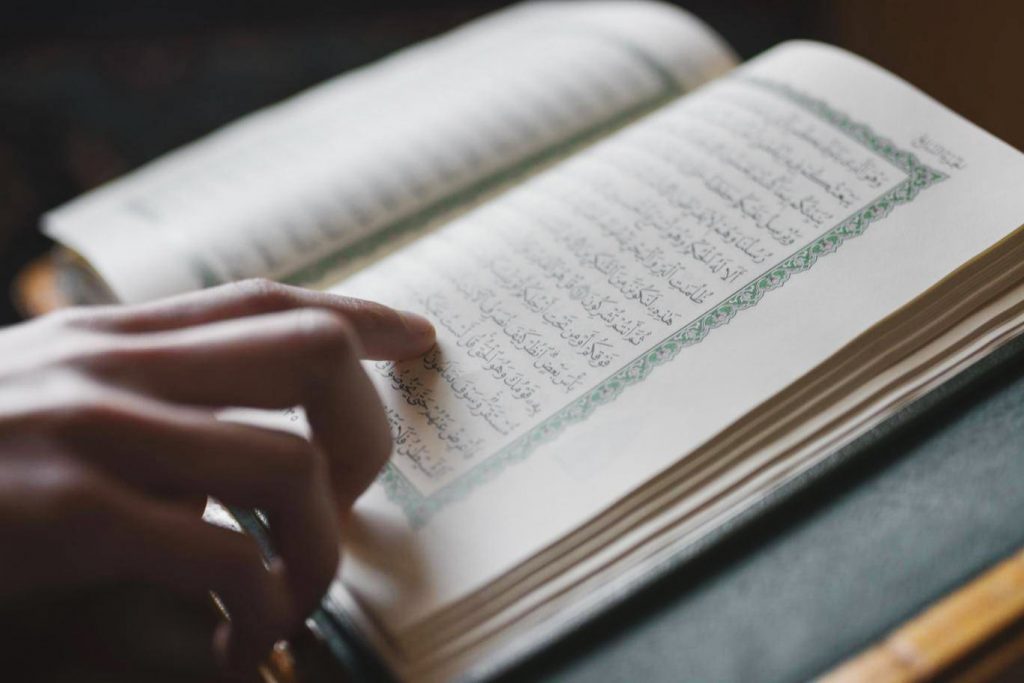
Arabic is a rich language with a long history and a wide range of dialects spoken by millions of people worldwide. The Quran is considered one of the most respected and influential texts in the Arabic language. It is not only a religious scripture but also a masterpiece of literature. Different types of Quran Riwayat (narrations) exist which represent the linguistic traditions of various regions. Each riwayah has its own unique pronunciation, vocabulary, and grammatical characteristics, enhancing the complexity and beauty of the Arabic language.

This blog aims to be your comprehensive guide to learning about different Riwayat of the Quran, through insightful information from reliable sources.

What is the Riwayah?

Riwayat or qiraat encompasses the authentic modes of Quran recitation passed down through generations via oral transmission. These modes are distinguished by precise rules governing pronunciation, intonation, and articulation, ensuring a faithful version of the Quran text as revealed to Prophet Muhammad (peace be upon him). The concept of Riwayat traces back to the Prophet’s time, when he tailored recitations to his companions’ dialects and comprehension abilities, laying the groundwork for diverse recitation forms. 

Upholding Quran Riwayat is paramount in Islamic tradition, safeguarding the Quran’s integrity and authenticity over time. The ten prevalent Qira’at or Riwayat each exhibit unique characteristics and pronunciation rules, reflecting the Quran’s nuanced revelations while upholding its message’s integrity. Preservation extends beyond written records to oral transmission, ensuring accurate recitation with meticulous pronunciation.

What are the different types of Quran Riwayat?

Once Prophet Muhammad died, his companions, who had memorized the Quran, started imparting their knowledge to others using the same method they had learned from the Prophet. These teachings were transmitted through various chains of narration, each possessing its distinct style of recitation. This action was taken to maintain the original recitation of the Quran and avoid any modifications or amendments.

In total, there are ten recognized schools of Qira’at, each named after a noted Quran reciter or “reader” who is highly skilled in that specific recitation. However, seven Qira’at readings are currently notable.

Here is the list of the 10 types of Quran Riwayat:

  1. Riwayah Hafs:  Hafs an Asim is one of the most popular choices among reciters.

  2. Ibn Khathir: Qunbul, Al-Buzzi, and Imam Shafi recited the Quran in this manner. This Riwayah can be traced back to Ibn Kathir, a student of Nafi’ al-Madani.

  3. Warsh an Nafi’:  transmitted by Nafi’ al-Madani, a renowned scholar in Medina, who was a student of Abdullah ibn Umar, transmitted this Riwayah.

  4. Qalun ‘an Nafi’: this riwayah has many similarities to Warsh except for little differences in recitation.

  5. Riwayat an Ibn Amir: This Riwayah is called Ibn Amir al-Dimashqi after its narrator and was transmitted through his student Qunbul.

  6. Ibn Jummaz ‘an Abu Ja’far: was a scholar from Kufa. He received knowledge from Hammad ibn Salamah, who was a companion of Imam Ali.
  7. Riwayat Khallad (Kufi recitation): this riwayah goes back to Al-Kisa’i, a student of Hafs.

  8. Qirat Abu Amr: Duri ‘an Abu Amr, the two Qaris who preserved this reading manner are Ad-Doori and As-Soosi

  9. The Riwayat Susi ‘an Abul Harith: originates from Abul Harith al-Susi, who directly acquired it from Imam Ali.

The differences between different Riwayat

The differences between Types of Quran Riwayat include variations in rules regarding the prolongation, intonation, and pronunciation of words, as well as differences in stops, vowels, consonants, and occasionally entire words. For example, in one riwayah, a word can have a short vowel sound, while in another it can have a long vowel sound. Furthermore, some Riwayat have longer pauses or breaks between verses compared to others.

Qira’at also is one field of Islamic studies that specifically concentrates on these methods of recitation. Each Qira’ah has its own tajwid, which are the rules of pronunciation, intonation, and pauses of the Quran. 

Why are there Types of Quran Riwayat?

There are different types of Riwayat to cater to the linguistic variations and dialects within the early Muslim communities, this diversity guarantees that the Quran can be comprehended and accessible to individuals from different linguistic backgrounds and regions. Moreover, the preservation of multiple Riwayat acts as a protection against mistakes in recitation or interpretation, thus ensuring the accuracy and authenticity of the Quran text.

The cultural and regional influences had a significant effect as Islam spread to various regions; specific recitation styles became associated with particular areas. The transmission of Qira’at was influenced by scholars and communities in those regions, resulting in the development and preservation of unique recitation styles.

Moreover, the diversity of scholars and teachers who had distinct methods of reciting the Quran, and their students acquired and passed on those particular styles. This variety enhanced the richness of Qira’at within various Islamic traditions.

The preservation of the Quran goes beyond its written form and includes its oral transmission. Various Qira’at ensure precise recitation with careful focus on pronunciation and linguistic details, thus preserving the integrity of the message.

Riwayat also play a crucial role in safeguarding the linguistic richness of Arabic by acknowledging and respecting various dialects and pronunciations which facilitates a profound comprehension and admiration for the elegance and complexity of the Quran.

Additionally, Riwayat hold great significance in Islamic culture and tradition, as numerous Muslims across the globe engage in learning and reciting the Quran in different Riwayat. It acts as a unifying element among Muslims belonging to diverse backgrounds and regions.

Importance of learning Quran Riwayat 

Learning multiple Types of Quran Riwayat has several benefits, including:

  • Individuals can attain a more comprehensive understanding of Allah’s divine messages through the acquisition of different Riwayat
  • Learning multiple Riwayat can enhance your memorization skills as you will recite the same verses in various ways, aiding in better retention.

  • One can enhance spiritual connection with Allah by self-immersing in His words through diverse recitations as reciting the Quran is considered a type of worship

  • Mastering multiple Riwayat plays a crucial role in safeguarding the invaluable oral tradition of Quranic transmission. As time passes, fewer individuals can recite the Quran with precise Tajweed. By embracing various Riwayat, we can uphold this tradition and ensure its continued vitality for future generations.

Proven methods for learning Riwayat 

Learning different types of Quran Riwayat can be a challenging yet rewarding experience, and to make this an easier process you better ensure having a solid understanding of Tajweed rules and Quranic recitation basics.

Focusing on mastering one Riwayah at a time rather than trying to learn them all at once while having a consistent practice is key to mastering any Riwayah.

Furthermore, seeking guidance from a qualified Quranic teacher or mentor who is proficient in the Riwayat you wish to learn can significantly enhance your learning experience

Additionally, listening to recordings of proficient reciters in the Riwayat you’re learning and paying attention to their pronunciation and melody can help you follow and match their style in your recitation.

Finally, patience and persistence are key when learning different Riwayat as well as enrolling in online courses that can provide a structured and accessible approach to learning

Most commonly asked questions

  • What are the names of the most common types of Quran Riwayat?
  1. Riwayah Naafi’ Al-Madani
  2. Riwayah Abu Amr al-Basri
  3. Riwayah Ibn Kathir
  4. Riwayah Ibn Amer (Syria)
  5. Riwayah A sim Al-Kufi.
  6. Riwayah Al-Kisaa’i (Kufa)
  7. Riwayah Hamzah al-Kufi
  • What are the Common Misunderstandings About Quran Riwayat??

Some people think that those Riwayat are different versions of the Quran, and some others believe that these Riwayat appeared after the death of the prophet Muhammad.

Additionally, while some people argue that differences between Riwayat are major, it is important to highlight that differences are minor and do not impact the overall significance or message conveyed by the Quran.

  • Is it acceptable to mix qiraat?

No, although all Riwayat are authentic, valid, and accepted in the Islamic tradition. However, scholars agreed that it isn’t preferable to mix different types of Quran Riwayat while reading 

Conclusion

In conclusion, having a complete understanding of the Quran requires comprehension of its Riwayat (recitations) as it enables a deeper understanding of the language and facilitates a more subtle interpretation. While memorizing one riwayah is admirable, it is crucial to study and comprehend other types of Quran Riwayat to obtain a comprehensive understanding of the Quran.

Quran recitation classes online like Noor Institute online courses provide a structured and accessible approach to mastering the different Riwayat. These courses offer guidance, consistent practice, and a supportive learning environment, ensuring a fulfilling learning experience for Muslims worldwide. By studying Tajweed in detail, preparing for an Ijazah, joining a Quran learning community, attending workshops and seminars, understanding the meaning, recording and reviewing recitations, and establishing a spiritual connection, individuals can deepen their understanding of the Quran and develop a profound connection with its divine message.

 Book your free trial with Noor Institute and guarantee consistent progress throughout your learning process.

Islamic activities for kids

Islamic educational activities for kids

Islamic activities for kids are essential for nurturing their spiritual growth and understanding of the faith. These activities can range from engaging in fun-based learning about Islamic beliefs, the Quran, and the life of Prophet Muhammad (SAWW) to learning essential Duas for various occasions and incorporating morning and evening Azkar for protection. It’s important to customize activities according to the children’s age group and to adapt them based on their interests and capabilities. The aim is to cultivate a positive and interactive setting where they can explore Islam in a fun and engaging manner.

This blog will provide a list of fun activities suitable for different age groups in addition to highlighting the role of Noor Institues in Islamic teachings for kids 

Efficient techniques for Islamic teachings

Nurturing young minds with an exciting and holistic Islamic education involves a variety of methods tailored to engage learners and deepen their understanding of Islamic principles. Some effective techniques include incorporating interactive learning methodologies are essential in Islamic education to actively engage learners and foster participation.
By integrating discussions, group Islamic activities for kids, and role-playing, educators can create dynamic learning environments that encourage students to interact, collaborate, and immerse themselves in the subject matter. 

Additionally, storytelling plays a crucial role in conveying moral lessons and values effectively, using Islamic stories, parables, and stories to captivate learners and make teachings relatable.

 Visual aids as well, such as multimedia presentations, illustrations, and videos, enhance comprehension and retention of key concepts by providing a visual context for learning.

Moreover, experiential learning through field trips to mosques, Islamic museums, and cultural events offers hands-on experiences that deepen students’ connection to Islamic teachings. 

one more thing is technology integration, including educational apps, online resources, and virtual platforms, supplements traditional teaching methods, catering to diverse learning styles and enhancing the learning experience. 

Personalized instruction tailored to individual learning needs ensures maximum engagement and comprehension, while application-based learning encourages students to apply Islamic teachings to real-life situations, fostering critical thinking and practical application of knowledge

Tailored curriculum for every age

learners at different stages of development have unique learning needs, abilities, and interests. Recognition of the importance of personalized education to meet these unique needs and developmental stages of learners led various educational institutions and programs to offer customized curriculums designed as well as Islamic activities for kids to cater to specific age ranges, ensuring that students receive appropriate instruction and support at every stage of their academic journey. 

For example, Noor Institute offers a tailored Islamic education curriculum for children of all ages, including toddlers and older children. The curriculum is designed to cater to each age group’s unique learning needs, ensuring a smooth progression through each level. For toddlers, the curriculum begins with the basics, exploring Islamic concepts through fun, colorful activities. Older children can immerse themselves in interactive lessons using animations, cartoons, documentaries, and more, with the option to choose between one-on-one or group classes. The curriculum is structured, focusing on each level in detail and including quizzes, tests, and competitions to keep learning lively and motivate progress. Parents receive weekly reports on their child’s development, and a certificate of completion is awarded at the end of the course to celebrate achievements.

Educational Islamic activities for kids 

There’s a wealth of enjoyable Islamic activities for kids that not only entertain but also impart valuable lessons about Islam and its principles. Engaging children in these activities not only fosters a love for their faith but also makes learning a joyful experience.

Several activities that parents and educators could spend time doing with kids include:

  1. Using simple materials to build a masjid considering giving some useful information while playing.

  2. Doing Eid crafts, like sheep for Eid ul-adha and Haj and Kabaa crafts using accessible and safe materials, this will also allow parents and educators to provide insightful information about the shape the kids are crafting which will deepen their understanding and attachment to Islam

  3. Crafting a rug for prayer is one of the most fun and enjoyable Islamic activities for kids and it could be a great way to encourage them to learn about praying and even start practicing

  4. Reading Islamic stories with your child before bedtime is a wonderful and enjoyable Islamic activity. Allowing your child to select their favorite books will make them eager to read with you, and it is important for you to guide them in choosing appropriate books. This activity stimulates their imagination, fosters a strong bond of safety and trust between you and your child, and introduces them to Islamic history in a seamless manner.

  5. Islamic card games offer a unique and enjoyable way to learn and engage with Islamic teachings. As you create the cards together, you can explain important Islamic lessons, and then use the game as a fun way to reinforce and review those lessons. This revision is more appealing to children, and they may choose to revisit it on their own. you can effectively teach your child about the pillars of Islam, the Pillars of Iman, the different types of fasting, including mandatory and optional fasting, the days on which fasting is prohibited, and the number of Rakaat in prayers, among other concepts.

Importance of Islamic activities 

Engaging children in Islamic activities holds immense significance in nurturing their spiritual, moral, and social development. These activities play a pivotal role in the foundation of Islamic principles and values from a young age. 

Islamic activities for kids provide them with opportunities to learn about the teachings of the Quran and the life of Prophet Muhammad in different ways. Through stories, games, and creative projects, children learn about virtues such as kindness, honesty, compassion, and gratitude, which are integral to Islamic teachings.

Moreover, participating in Islamic activities fosters a sense of community and belonging among children. This sense of belonging helps reinforce their identity as Muslims and strengthens their bonds with their religious community.

Furthermore, Islamic activities serve as a means of spiritual enrichment, providing Kids with opportunities for reflection, prayer, and connection with Allah. 

Overall, the importance of Islamic activities for kids lies in their ability to nurture a holistic understanding of Islam, foster positive moral and spiritual development, and allow kids to learn about their faith.

Islamic studies curriculum for kids at Noor Institute

Islamic teachings for kids are a fundamental aspect of education at Noor Institute, where a structured curriculum is meticulously designed to introduce children to various aspects of Islam in an engaging and age-appropriate manner. The institute focuses on making Islamic teachings enjoyable and comprehensive for young learners by covering essential topics such as teachings about Allah, the Prophets, the Quran, prayers, supplications, and more. Noor Institute recognizes the diverse learning styles of children and tailors lessons to suit their age groups, working closely with parents to ensure a nurturing learning experience.

Additionally, the institute offers captivating online Islamic studies courses for kids, incorporating diverse topics from popular children’s books to make learning exciting and meaningful. The curriculum covers key areas like Aqeedah (Islamic Beliefs), the Quran, Seerah (The Life of Prophet Muhammad ), and Dua & Azkar, providing a holistic understanding of Islamic principles and practices. Through interactive and fun-based Islamic activities for kids, children are encouraged to explore, engage, and deepen their knowledge of Islam, fostering a strong foundation of faith and understanding.

what is Idgham in Tajweed

A complete guide to mastering Idgham

Adhering to Allah’s orders is a way to find closeness to Him, and one powerful means of approach is through reading the Quran. Tajweed, the set of rules governing Quran recitation, guides to proper pronunciation and articulation. Among these rules, learning what is Idgham in Tajweed. Idgham refers to the merging of specific letters when they occur in certain combinations, enriching the beauty and fluency of recitation. Understanding and applying Idgham is just one part of Tajweed, ensuring the Quran is recited with reverence and accuracy. By delving into Tajweed principles like Idgham, individuals deepen their connection to the Quran and embark on a journey of spiritual enrichment and closeness to Allah.

What is Idgham in Tajweed rules?

Idgham is a concept in Tajweed rules related to recitation, it is defined as the set of rules governing the proper pronunciation of the Quran in recitation. What is Idgham in Tajweed refers to the merging or assimilation of certain letters with others when they occur together in specific combinations within a word or between adjacent words in the Quran text. This merging results in the sound of one letter being absorbed or assimilated into the sound of another, leading to a smooth transition in recitation. Idgham plays a crucial role in maintaining the flow and beauty of Quranic recitation while adhering to the rules of Tajweed.

You can understand the linguistic essence of Idghaam in Arabic by examining its root verb, أدغم (adghama), which signifies the action of inserting a rein into a horse’s mouth. This comparison sheds light on the concept of Idghaam in Tajweed, where a non-voweled letter is concealed or assimilated within a voweled letter, similar to the way a rein is concealed inside a horse’s mouth.

Benefits of Idgham in Tajweed

Idgham is a crucial aspect of Tajweed, the rules for the right pronunciation and recitation of the Holy Quran. It refers to the merging of a non-vowel letter with a vowel letter, resulting in one emphasized letter of the second type. This is particularly important when Noon Sakinah or Tanween is followed by one of the Idgham letters that will be explained soon in detail.

Mastering Idgham is essential for those seeking to recite the Quran with proper pronunciation and adherence to the rules of recitation. It helps maintain the flow and rhythm of the recitation, avoiding any disruption or pause between the letters. By understanding and applying the rules of Idgham, individuals can enhance their Quranic recitation and deepen their connection with the holy text.

Letters of Idgham

As mentioned earlier, understanding Noon Sakinah and Tanween is essential for mastering Tajweed, so answering the question of What is Idgham in Tajweed and Idgham rules requires explaining Noon Sakinah and Tanween; Noon Sakinah refers to the letter Noon without any vowel signs, while Tanween is the nasal sound indicated by the letters ن, م, or ي at the end of a word. When Noon Sakinah or Tanween is followed by one of the Idgham letters, the Noon Sakinah or Tanween sound is dropped, and the letter before the Noon Sakinah or the letter with Tanween merges with the Idgham letter.

It is also crucial to understand Idgham letters, so let’s have a deeper look:

As explained, Idgham is the combination of two letters to produce a single sound. This rule is applied when Noon Sakinah (the letter noon without any vowel signs) or Tanween (the nasal sound indicated by diacritical marks on top of the letter noon) are followed by certain Arabic letters.

In Tajweed, six specific letters are recognized for the rule of Idghaam. Understanding these letters helps in explaining what is Idgham in Tajweed. These letters include (yaa), ر Raa), م (meem), ل (lam), و (waaw), and  (noon). As a trial to make it easier to remember, it was recommended to combine them in the word “يرْمَلُون” (yarmaloon) in Arabic. This can offer a convenient method for those who find it difficult to remember these Idgham letters.

These letters have an important role in blending the sounds when they come after Noon Sakinah or Tanween. The letters of Idghaam are:

Raa: When following Noon Sakinah or Tanween, the letter Raa (ر) causes the Noon sound to merge into it.

Letter meem: Similarly, the letter Meem (م) triggers the merging of Noon Sakinah or Tanween into Meem.

letter Lam (ل):  follows the same pattern as Raa, causing the Noon sound to merge into it when following Noon Sakinah or Tanween.

The letter Waw (و): it initiates the merging of Noon Sakinah or Tanween into Waw.

Noon: When Noon (ن) follows another Noon Sakinah or Tanween, the two Noons merge.

Lastly, the letter Ya (ي) merges with the preceding Noon Sakinah or Tanween.

Idgham rules in Tajweed

The rules that explain what is Idgham in Tajweed are a significant branch that requires time and effort to understand and apply correctly. Providing a brief overview of this lesson, we’ll explain the fundamental concepts of Idgham and its importance in improving the recitation of the Quran. This aims to offer an initial understanding and a comprehensive introduction to this important topic.

  • Sukoon must be present on one of the letters involved in Idgham.

The letter with Sukoon should be one of the recognized Idgham letters: ي (ya’), و (waw), ر (ra’), ل (la’), م (meem), or ن (noon).

  • Idgham occurs when Noon Sakinah or Tanween is followed by any Idgham letter.

When Noon Sakinah or Tanween is followed by any Idgham letter (such as ر, م, ل, و, ن, or ي), the Noon Sakinah or Tanween is merged into the following letter.

  • Emphasis on the succeeding letter during Idgham.

The succeeding letter is pronounced with added emphasis, indicated by Shaddah, due to the merging.

  • Makharij Rulings: 

The letter with Sukoon should be followed by a letter with the same Makharij (point of articulation). For instance, if ن (noon) with Sukoon or Tanween is followed by a و (waw), both sounds will merge.

Noor Institute offers an online Tajweed course that focuses on the fundamentals of Tajweed, including an in-depth exploration of what is Idgham in Tajweed.

Examples of Igham in the Quran to practice

وَجَعَلْنَا سِرَاجًا وَهَّاجًا (An-Naba:13) – In this case, the letter (و – waw) comes after the Tanween and its sound is dropped, and the letter Jeem (جً) merges with (و). The letter Alif (ا) is ignored in this situation.

جَزَاءً مِّن رَّبِّكَ عَطَاءً حِسَابًا (An-Naba:36) – Here, the letter Hamza (ءً) has a Tanween and the letter following it is (مِ – Meem). So, Idgham with Ghunnah occurs.

وَمِن كُلِّ شَيْءٍ خَلَقْنَا زَوْجَيْنِ لَعَلَّكُمْ تَذَكَّرُونَ (Al-Dhariyat:49) – Here, the letter (ن – Noon) has a Shaddah, and the letter following it is (ن – Noon). So, Idgham without Ghunnah occurs.

These are just a few examples of Idgham in the Quran. However, the Quran is full of verses that could be used as examples to explain what is Idgham in Tajweed.

How to learn Idgham

There are some steps one can follow to learn Idgahm, these steps include learning the letters involved in Idgham, studying the rules and various types of Idgham, such as with Ghunna, without a Ghunnah, Mutganis, and other rules, knowing that each type has its own set of rules that you need to learn and practice in addition to practicing with the many examples in the Quran where Idgham is applied until you feel comfortable with the pronunciation and merging of the letters. Moreover, you should learn from experienced tutors to ensure correct pronunciation and understanding of Idgham as they can guide you through the rules and provide you with feedback on your pronunciation. Finally, you can enroll in Tajweed courses that can provide you with a structured learning experience to embrace the topic of what is Idgham in Tajweed

By following these steps, you can learn Idgham and improve your Quranic recitation skills, also remember that practice is key to mastering Idgham and other Tajweed rules.

Why choose Noor Institute 

Noor Institute offers a comprehensive online Tajweed course that covers all essential aspects of Tajweed, including Idgham. The institute’s expert instructors provide personalized instruction and guidance to help students master the rules of Tajweed. The curriculum is structured to ensure a thorough understanding and application of Tajweed rules.

The institute places a strong emphasis on Quran recitation and understanding, incorporating examples from the Quran to apply Tajweed rules practically and deepen the connection to the Quran. Flexible options are available to cater to diverse schedules, with proven results showcasing significant improvement in recitation skills. 

Book your free trial to deepen your understanding of what is Idgham in Tajweed

Islam lessons for beginners

Foundations of faith: Islam lessons for beginners

Islam lessons for beginners are your comprehensive guide you can start with to understand the core principles and beliefs of the religion, Just as a traveler on a journey with a guide to navigate through unfamiliar places, Muslims need to understand that this guide is essential to navigate well in life and not lose their way. The teachings provided in these beginner’s guides serve as a roadmap, illuminating the path towards a deeper understanding of Islam’s core principles, guiding individuals through life’s challenges, and ensuring they stay true to their faith amidst the complexities of life. By embracing these foundational lessons, Muslims can navigate their life journey with clarity, purpose, and a steadfast connection to their beliefs.

Historical Overview of Islam

If you are a beginner seeking to join Islam lessons for beginners, you should first get to know the history of Islam.
Islam has gone through various stages and historical periods from the time of the revelation of the Qur’an to the Prophet Muhammad which continued for 23 years until today. Some of these stages include:

  1. The Revelation Period: This period lasted for 23 years during which the Qur’an was revealed to the Prophet Muhammad through the angel Gabriel. He stayed for 13 years in Mecca, and during this time, the Prophet Muhammad faced significant opposition and persecution from the Quraysh tribe, which controlled Mecca and its religious and economic life. Despite these challenges, the Prophet Muhammad continued to preach the message of Islam

  2. The Establishment of the Islamic State in Medina: The Prophet Muhammad and his followers migrated to Medina, marking the Hejira, a turning point in Islam’s history, then n the enlightened city of Medina, the Islamic call (Da’wah) assumed a different approach for the sake of spreading Islam.

  3. The period of the Rashidun Caliphate: After the Prophet’s death Abu Bakr, became the first Rashidun Caliph, then he was succeeded by Umar ibn al-Khattab, who continued to spread Islam, Uthman ibn Affan, the third Rashidun Caliph, was known for his generosity and his efforts to spread Islam throughout the world. Finally, Ali ibn Abi Talib, the fourth and final Rashidun Caliph.

  4. The Umayyad, Abbasid and Ottoman Caliphates: After the era of the Rightly Guided Caliphs, the Umayyad Caliphate emerged as a monarchy and was regarded as a prosperous period in Islam. Conquests and territorial expansions continued during this time. The Abbasid Caliphate followed, lasting for around seven hundred years. Eventually, the Ottoman Caliphate came into power and remained until its abolition in 1923.

Learning about Islam from the Quran

The Quran is considered the most authentic source of Islamic knowledge, and it is recommended to start learning about Islam from this primary source. Islam lessons for beginners depend mainly on the Quran as an excellent way to gain a deeper understanding of this faith. The Quran covers various themes, including faith, worship, morality, and social justice, additionally, it contains stories of previous prophets and nations, providing valuable lessons for Muslims today.

To gain a deeper understanding of Islam through the Quran, individuals have the option to read it from start to finish, emphasizing the fundamental principles of the religion, or select specific chapters that focus on particular themes or aspects of Islamic worship. It is also helpful to study the Quran with a qualified teacher or scholar who can provide guidance and interpretation.

Biography of Prophet Muhammad to learn Islam

In addition to the Quran, the teachings and practices of the Prophet Muhammad, is also an essential source of Islamic knowledge.  Islam lessons for beginners should never miss the truth that to truly embrace the Quran, one must learn about the life of the prophet Muhammad. 

Prophet Muhammad’s teachings have had a profound influence on the world, shaping the beliefs and customs of more than 1.8 billion Muslims globally. He is regarded as a role model of moral and ethical conduct, with his teachings highlighting the significance of social justice, compassion, and the monotheistic worship of Allah.

The Quran does not offer much information about Muhammad’s chronological biography. However, early biographies like Ibn Ishaq’s Life of God’s Messenger provide more details about his life. The hadith collections, which consist of accounts of Muhammad’s teachings and traditions, are also valuable sources for comprehending his life and teachings.

Common stereotypes about Isam

While in reality Islam promotes peace, tolerance, and respect for all faiths, prohibits terrorism, and considers killing an innocent person to be the greatest crime after worshiping another god in addition to granting women freedoms that they did not have before, such as the right to inherit property, conduct business, and have access to knowledge, still some people think that it is a violent religion that promotes terrorism, that it oppresses women, and that it guides followers to oppress women.

Islam lessons for beginners insist on showing the truth, especially for non-Arabs, that these stereotypes are inaccurate and detrimental because they rely on unsupported assumptions and disregard the individuality of the people being stereotyped, and to educate students about the non-violence, peace, and cooperation principles in the Islamic religion

Islam lessons for beginners with Noor Institute 

Online Islamic courses offered by the Noor Institute cover a wide range of courses including Islamic Sciences, Arabic Language Studies, Islamic Chaplaincy & Counseling, and Contemporary Islamic Thinking. The core Islamic Sciences courses include Quran Sciences, Hadith S (Ulum Al-Hadith), Aqidah, Fiqh, Prophet Biography (Seerah), and Islamic History.

These Islam lessons for beginners aim to give students a solid foundation in the core Islamic disciplines by presenting them with diverse perspectives within the Ahl al-Sunnah framework including the five pillars of Islam, Fiqh, and hadith to help Muslims navigate their daily life based on Islamic teachings.

Noor Institute offers an exceptional e-learning experience for those seeking to enhance their understanding of Islamic knowledge. The institute provides a flexible and accessible platform, allowing students to study anytime, anywhere, with course materials, video recordings, presentations, notes, and assessments available 24/7.

 Additionally, experienced instructors are dedicated to guiding students on their journey, utilizing innovative teaching methods and multimedia resources to create an interactive and enriching learning experience. The institute also offers comprehensive support, ensuring one-on-one guidance from enrollment to graduation.  These exceptional features make Noor Institute the best platform for Islam lessons for beginners.

Book your free trial with Noor Institute and do not miss the chance to experience innovative teaching methods.

Basic Islamic knowledge for kids

Basic Islamic knowledge for kids

Just as seeds grow under careful nurturing, children flourish under the guidance of their parents. By prioritizing basic Islamic knowledge for kids and nurturing a strong foundation in their lives, parents cultivate a profound understanding of faith and values in their children. This commitment fosters a lasting connection to Islam, empowering them to navigate life’s journey with wisdom and integrity. Through this deliberate approach, parents sow the seeds of spiritual growth, ensuring their children flourish into individuals deeply rooted in their religion and equipped with the knowledge to uphold its principles in their daily lives.

Introduction to Islam for Kids 

Basic Islamic knowledge for kids can be effectively taught through a chronological series that covers essential topics such as “What is Islam?”, “Who is Allah?”, “The Islam’s Five Pillars”, “The seerah Prophet Muhammad”, and “Islamic Holidays”. This structured approach ensures a comprehensive understanding of Islam’s fundamental beliefs, practices, and historical aspects, providing a solid foundation for children to learn about the religion clearly and engagingly.

Kids should first learn about Allah and monotheism, understanding that there is no god but Allah. This foundational belief known as Tawhid, is essential in Islamic teachings and serves as the key principle of faith for Muslims. Through educational resources and guidance, children can develop a strong understanding of this fundamental principle, laying the base for a deeper connection to their faith and spiritual development.

Islamic stories for kids

Islamic stories for kids are an engaging and effective way to teach moral values and highlight basic Islamic knowledge for kids, The Quran is full of stories that contain valuable lessons from the Quran, including the stories of Prophet Adam and Eve, Prophet Noah, and the Ark, Prophet Ibrahim, and the Sacrifice, Prophet Musa and the Parting of the Sea, and Prophet Isa and the Miracles.

These stories are not only entertaining but also provide children with a deeper understanding of Islamic teachings and values, helping them to apply these lessons to their daily lives.


Incorporating Islamic stories into children’s daily routines enables parents to nurture a deep appreciation for Islamic values and teachings within their hearts, Parents can also incorporate storytelling into their children’s bedtime routine, selecting stories from Islamic history and the Prophet’s life

Teaching Islamic practices to kids

Salah is an essential element of the practices included in the basic Islamic knowledge for kids. To teach basic Islamic practices to kids, parents can start by teaching them how to perform Wudu and how to perform Salah (Prayer). Explaining that Wudu is a ritual cleansing process that must be completed before Salah, and it involves washing the face, arms, and feet.

After performing Wudu, kids can learn how to perform Salah (Prayer) as an essential part of Islamic practice and that it involves performing specific movements and reciting specific verses from the Quran.

Parents can also educate children about the significance of Salah, common prayers, and Duas, prayer timings and Qibla direction, and the importance of each step in the Salah procedure. By integrating these customs into their everyday schedule, children can establish a solid foundation in their Islamic beliefs and gain an understanding of the magnificence and importance of these practices.

Introducing Islamic Basic Values for Kids

Basic Islamic knowledge for kids includes teaching kids about fundamental Islamic values such as:

  • Kindness and compassion: encouraging kids to be kind to one another as emphasized in the Quran and the teachings of Prophet Muhammad, particularly to those who are vulnerable. 
  • Honesty and Truthfulness: highlighting the importance of honesty in establishing a peaceful society, as it promotes prosperity and peace. 
  • Respect for Parents and Elders: emphasize the importance of respecting and honoring elders, especially parents, and how the Quran mentions the rights of the elderly and encourages families to care for and respect their elders instead of casting them out to homes for the elderly. 
  • Sharing and Generosity: emphasizing the importance of giving to those in need, demonstrated by the concept of sadaqah. and highlighting the benefits of generosity even if it is a small act such as a smile or a kind word. 
  • Forgiveness and Patience: Clarifying that forgiveness and patience are closely intertwined virtues that play essential roles in relationships and personal growth and that forgiveness is not just about letting go of anger but is also an act of compassion and mercy towards others.

By incorporating these values into kids’ daily lives as basic Islamic knowledge for kids, parents can help children develop a strong moral foundation based on Islamic principles. These values not only shape children’s character but also guide them to become better individuals who contribute positively to society.

Tips on how to introduce Islam to kids

Introducing Islam basics to kids can be done through several steps including: 

  • Empowering your children’s faith by introducing them to the concept of Allah, the creator of the universe. Explain Allah’s attributes using simple and interesting facts such as His mercy and kindness. 
  • Introducing Islam to children through engaging games and vibrant worksheets can transform learning into an exciting adventure. By incorporating these interactive tools, children can discover the principles of Islam in a fun and captivating way, enriching their understanding and creating lasting memories of their educational journey. 
  • Reading Islamic stories at bedtime is a wonderful way to highlight basic Islamic knowledge for kids in addition to fostering a love for Islam and its teachings in children. 
  • Setting a good example of Islamic behavior to effectively teach children the significance of practicing Islam in their everyday lives as Kids learn by observing the behavior of those around them. 
  • Introducing kids to the 99 Names of Allah and the Pillars of Islam to deepen their understanding of Allah’s attributes and the foundational acts of worship in Islam. 
  • Motivating children to visit the mosque and engage in communal prayers to foster a sense of community and belonging, while also enhancing their understanding of Islamic practices and traditions.

Best online platform for your kids

Noor Institute is an excellent online platform for kids to learn basic Islamic knowledge for kids including the Quran and Arabic. The institute offers live courses that are designed to be fun and engaging for kids of all ages. The program includes teaching videos and other fun learning tools, in addition to teaching methods that are developed for children’s success, and live tutors who use a variety of teaching tools and advanced methods to engage children and make learning fun and interesting.

Noor Institute offers a free trial for parents to try out the program and assess if it is suitable for their children. The institute has received positive feedback from parents and students, with many praising the quality of service, the kindness, diligence, and love of the teachers towards kids, and the hard work of the institute.

Book your free trial and empower your children’s Islamic education.

Zoom online Quran classes

Learning made easier with Zoom online Quran classes

In today’s fast-paced world, it can be difficult for individuals with busy schedules or limited access to traditional learning environments to access quality education and spiritual enrichment. However, technology has made learning opportunities more accessible than ever before. Zoom online Quran classes offer a convenient and effective solution for individuals who want to deepen their understanding of the Quran from the comfort of their own homes. Experienced instructors guide students through Quranic recitation, memorization, and understanding in interactive virtual classrooms. These classes provide a flexible learning experience, allowing students to customize their study sessions according to their individual needs and schedules.

Whether you are a beginner taking your first steps in Quranic study or seeking to enhance your knowledge, online classes provide a supportive and engaging platform for spiritual growth and Quran literacy.

Learn the Quran online from home

Learning the Quran online offers a convenient and flexible way to deepen your understanding of Islam’s basic teachings and central scripture. Advancements in technology have made it possible for individuals to access reputable online platforms that provide comprehensive Quran education tailored to their needs. Through Zoom online Quran classes, it has become easier for those platforms to offer courses taught by qualified instructors, covering topics like Tajweed, Tafsir, and memorization techniques. Students benefit from interactive tools such as virtual classrooms, audiovisual resources, and live sessions with teachers. 

Starting to learn Quran online can be challenging and requires high self-commitment. However, it is very helpful and allows individuals to study at their own pace, regardless of their location or schedule constraints, making it accessible for Muslims seeking to enhance their knowledge and spiritual connection.

Whether you aim to learn the entire Quran (Hifz) or just the correct recitation, online platforms such as Noor Institute are committed to assisting you in building a strong bond with the Quran, enhancing your comprehension of its teachings, and enabling you to recite it accurately with proper pronunciation and Tajweed.

The importance of zoom online Quran classes

In that digital age we are living in, zoom online classes have indeed become a crucial tool for Quran education. 

These classes offer significant advantages such as accessibility, flexibility, and convenience. With Zoom online Quran classes, students can connect with knowledgeable teachers from anywhere globally, breaking down geographical barriers and ensuring access to quality education regardless of location.
Additionally, the user-friendly interface of Zoom facilitates interactive learning experiences, enabling real-time discussions, questions, and personalized feedback. Moreover, the recording feature allows students to revisit lessons at their own pace, aiding in retention and comprehension.

Flexible scheduling to accommodate learners from different time zones as well as cost-effectiveness; Online lessons often prove to be more economical than traditional classes, without compromising on quality

Different strategies to learn the Quran at home

Learning the Quran can bring great fulfillment and attract blessings to your life, There are various effective ways to learn Quran at home

Firstly, establishing a consistent routine is crucial for daily learning. Choosing a specific time that suits your schedule and creating a quiet and focused learning environment is essential.

If you are seeking to improve recitation skills, you can benefit from listening to and matching the intonation of various Qaris reciting the Quran. Additionally, reciting at a higher pitch to ensure a smooth flow of the voice, as well as practicing breath exercises, can aid in mastering elongations, stretches, and pauses during recitation.

Leveraging technology and utilizing reputable online platforms that offer interactive Zoom online Quran classes can also be highly beneficial.

Another effective strategy is to create an encouraging learning environment free from distractions and incorporating consistent practice sessions into your daily routine are also key factors in successfully learning the Quran at home.

What is included in Noor Institute online Quran classes?

When it comes to Quran education, Noor Institute offers comprehensive courses tailored to students’ needs providing accessibility, flexibility, and expert guidance while ensuring a conducive learning environment for children and adults, enabling them to master Quran recitation techniques at their own pace.

The Tajweed courses offered by Noor Institute aim to educate students on how to read and recite the Holy Quran accurately, enabling them to strengthen their connection with Allah and enhance their comprehension of the teachings conveyed by Prophet Muhammad.

Through structured Zoom online Quran classes, expert guidance, and interactive learning methods, Noor Institute fosters Quran understanding, enabling students to effectively benefit from a nurturing educational environment that supports their spiritual journey.

Zoom online Quran classes with Noor Institute

Zoom classes with Noor Institute offer a dynamic and effective way to deepen your understanding of the Quran with the most highly skilled, certified instructors in the world who have undergone a rigorous selection process, including a teacher training program and background checks to ensure that students receive the best possible Quranic education.

The institute offers a free trial session for students to learn the Quran online with the ideal class and teacher, ensuring that they can fulfill the aim of enrolling in Zoom online Quran classes and reap the maximum benefit. It also offers 24/7 support, enabling students to access Quran teachings at their convenience, even if they have busy schedules in addition to personalized instruction providing individualized learning methods customized to meet the unique needs of each student.

Regular assessment summaries are provided to track progress, and a quality control team ensures the highest standards of teaching. Noor’s learning management system, Board Online, helps students and parents stay organized with lesson plans, fees, and scheduling.

 Moreover, Noor’s commitment to diversity is evident through its multilingual instructors, carefully selected from various nations to provide a rich and inclusive learning experience for all students. 

Book your free trial with Noor Institute and discover the transformative power of Zoom online Quran classes.

Frequently asked questions

  • How does conducting Quran Classes on Zoom go?

The process typically begins with scheduling sessions at agreed-upon times, ensuring all participants have the necessary access codes or links to join. Instructors often share materials in advance. During the classes, various interactive features of Zoom can enhance the learning experience. Additionally, Zoom’s recording feature allows sessions to be reviewed later for revision or by those unable to attend live. 

  • What do I need to get started with Zoom classes?

You will need a laptop, PC, or smartphone with an internet connection, in addition to a Zoom account for audio/video live sessions.

  • How long will it take to complete one of Zoom online Quran classes?

It may differ, for adults, the time required is approximately 6 to 8 months, whereas for children, it varies based on their level of competence and the assistance provided by parents.